What if your next holiday was planned not around a beach, a resort or a sightseeing list, but around a marathon? That is the idea behind run-cations, a growing travel trend that puts a running event at the heart of the itinerary.
Instead of simply signing up for a race during an existing holiday, travellers are choosing the marathon first and then building the rest of their trip around it. Flights, hotels, recovery days, pre-race meals and sightseeing can all become part of the plan.
Also Read | Water-based places in India: 4 stunning destinations to see
For runners, it turns a race into more than a 42.195-km challenge. For destinations, it offers another way to experience a city, one that combines fitness, food, culture and exploration.
What exactly is a run-cation?
A run-cation combines running with vacationing. The race is the primary reason for the trip, while the destination becomes part of the overall experience.
A typical run-cation could involve arriving a few days before race day, allowing time to settle in and acclimatise, followed by the marathon and a slower-paced holiday afterwards.
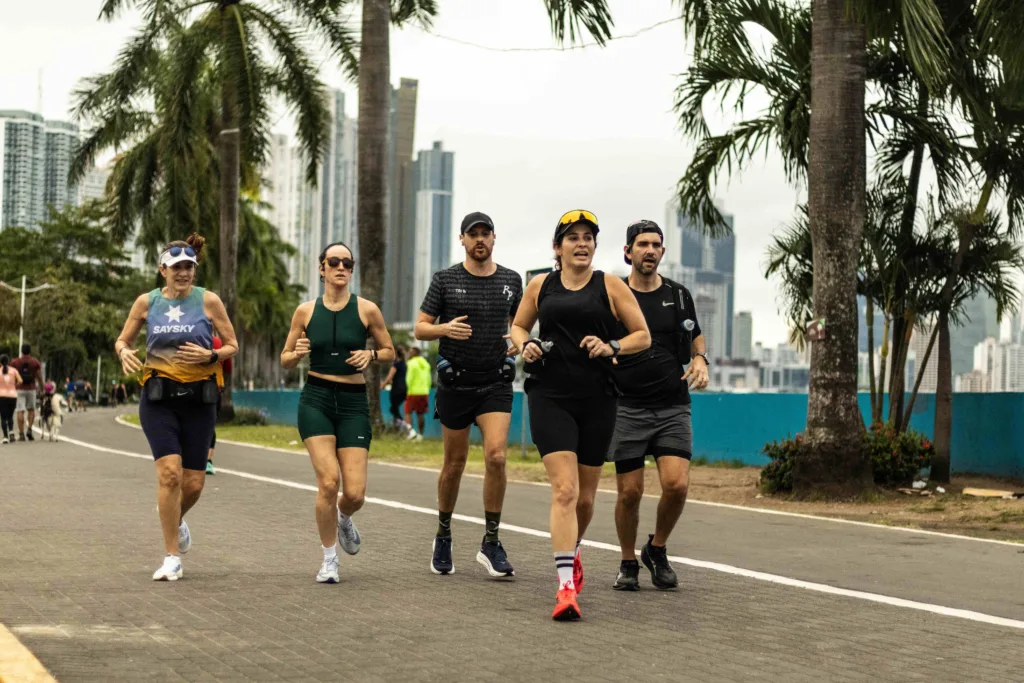
Instead of rushing through a checklist of tourist attractions, travellers can use the trip to explore neighbourhoods, sample local cuisine and experience the city at a more relaxed pace once the race is over.
The concept also taps into the wider shift towards experience-led travel, where activities and personal milestones increasingly shape holiday plans.
Why are travellers choosing marathon holidays?
The growing overlap between fitness and travel is one of the key factors behind the trend.
For many runners, a marathon provides a clear goal to work towards. Training for a race can begin months before the holiday, giving the trip a sense of purpose beyond simply taking a break.
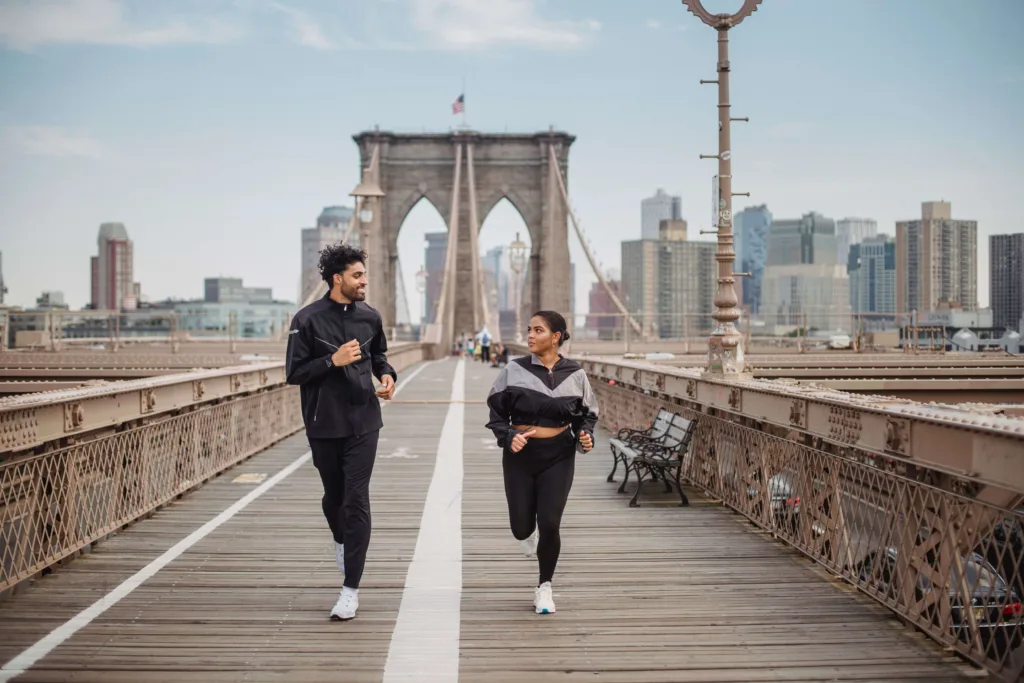
There is also the community aspect. Major marathons bring together runners from different countries and backgrounds, creating an experience that extends beyond the race itself.
And once the finish line is crossed, the holiday does not have to end. Travellers can spend the following days recovering while exploring the destination, turning a race weekend into a longer city break.
Which destinations are popular for run-cations?
Several major marathon destinations also happen to be cities that attract international tourists throughout the year.
- Tokyo
The Tokyo Marathon combines a major international race with the chance to explore one of Asia’s most distinctive cities. Runners can extend their trip with visits to temples, neighbourhoods, food markets, shopping districts and pop-culture hotspots.
- London
The London Marathon is a bucket-list event for many runners. The city’s museums, historic landmarks, markets and neighbourhoods make it easy to turn race weekend into a longer holiday.
- Berlin
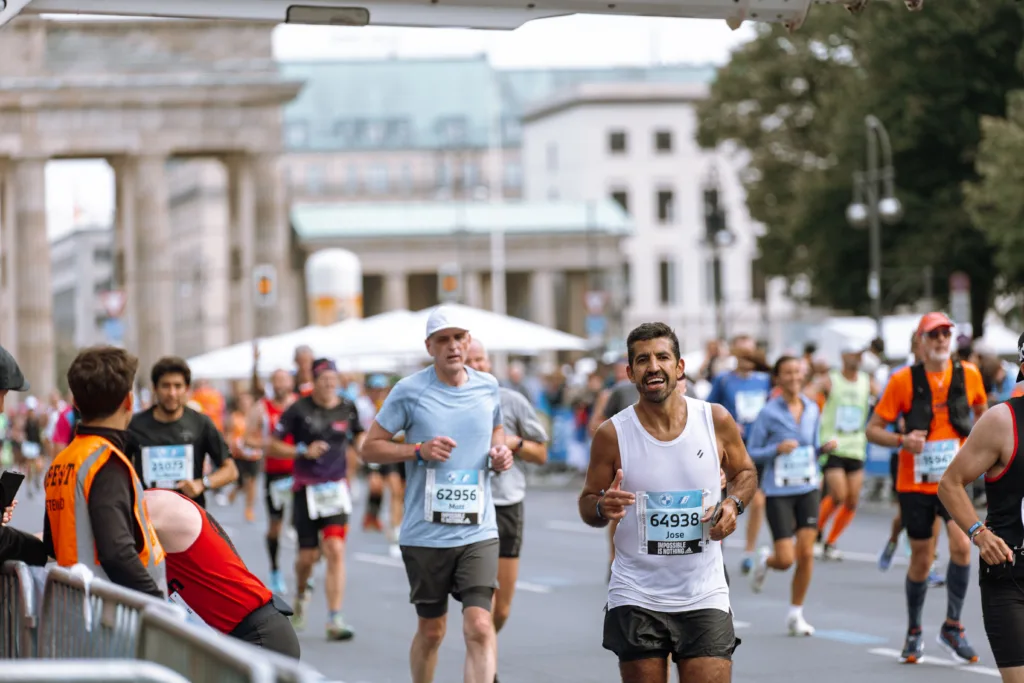
Berlin offers runners the appeal of a major city marathon alongside a destination known for its history, museums, food and nightlife. The result is a natural combination of race and city break.
- New York
The New York City Marathon offers a particularly immersive way to experience the city, with the race route passing through several of its iconic boroughs. Travellers can then stay on to explore the city beyond race day.
- Sydney
Sydney has gained further prominence among marathon travellers after joining the Abbott World Marathon Majors. Its beaches, harbour and urban attractions add a conventional holiday experience to the race itinerary.
What makes run-cations different from regular race trips?
It is all about the planning. A normal vacation might include a race as part of the activities but a run-cation includes a race from the start.
This can affect everything from where you go, when you travel to where you stay, how many meals you have and how many recovery days you plan to take after the event.
Also Read | Do you know why airlines really ask you to put your phone on airplane mode?
For other travelers, it can be about seeing a city in a different light. Running the city allows you to see it in a way which traditional travel cannot, as well as giving you the time around the event to explore it.
With the continued blend between fitness, community and experience-based travel, the running shoes are becoming a key part of the modern day traveler’s pack – right next to their passport and camera.