Tag: Smit Machchhar

  • Flydubai FZ1073 mystery pilots: Who were the two heroes who stepped in to save the plane?

    Flydubai FZ1073 mystery pilots: Who were the two heroes who stepped in to save the plane?

    The two pilots who stepped in during the chaos aboard flydubai flight FZ1073 were on-duty crew members travelling as passengers, the airline has said. Their intervention came after the co-pilot allegedly attacked Indian captain Smit Machchhar during the Dubai to Tel Aviv flight.

    The identities of the two pilots had not been publicly disclosed as of Sunday morning, four days after the incident. Flydubai has described them as on-duty crew members who were travelling on the aircraft.

    Two pilots were travelling on the flight

    The presence of the two pilots proved crucial when passengers realised something had gone seriously wrong inside the cockpit.

    Also Read | Flydubai FZ1073: The 5 people who helped stop a mid-air catastrophe

    Passenger Daniel Schlichter, who was seated in the second row, described their intervention to The Associated Press.

    “This is one of the miracles,” Schlichter said.

    He explained that the pilots were travelling because they were expected to operate the aircraft on its return journey from Tel Aviv to Dubai. Such travel by airline crew is commonly known as deadheading.

    After Machchhar managed to open the cockpit door despite being attacked, passengers restrained the co-pilot. According to Schlichter, one of the travelling pilots then rushed through the group and reached the controls.
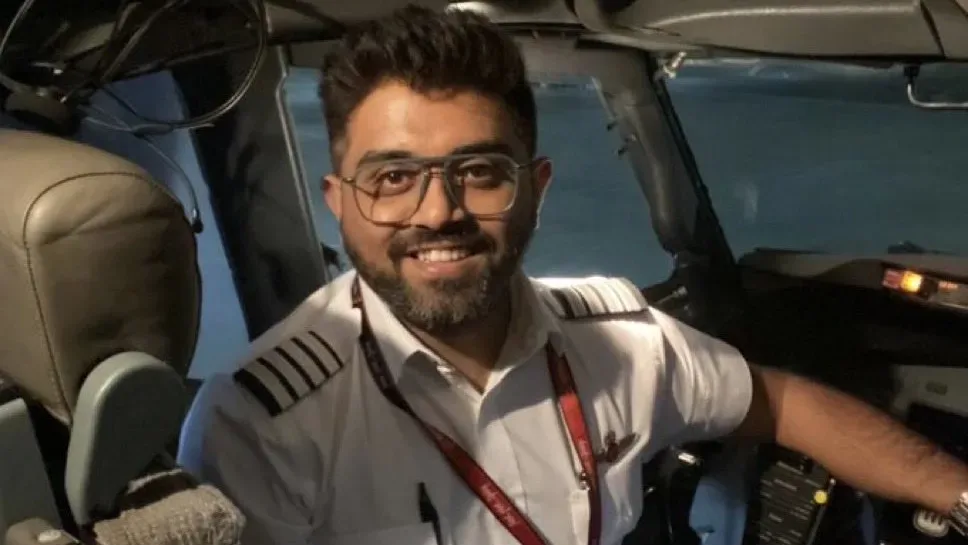
    Smit Machchhar
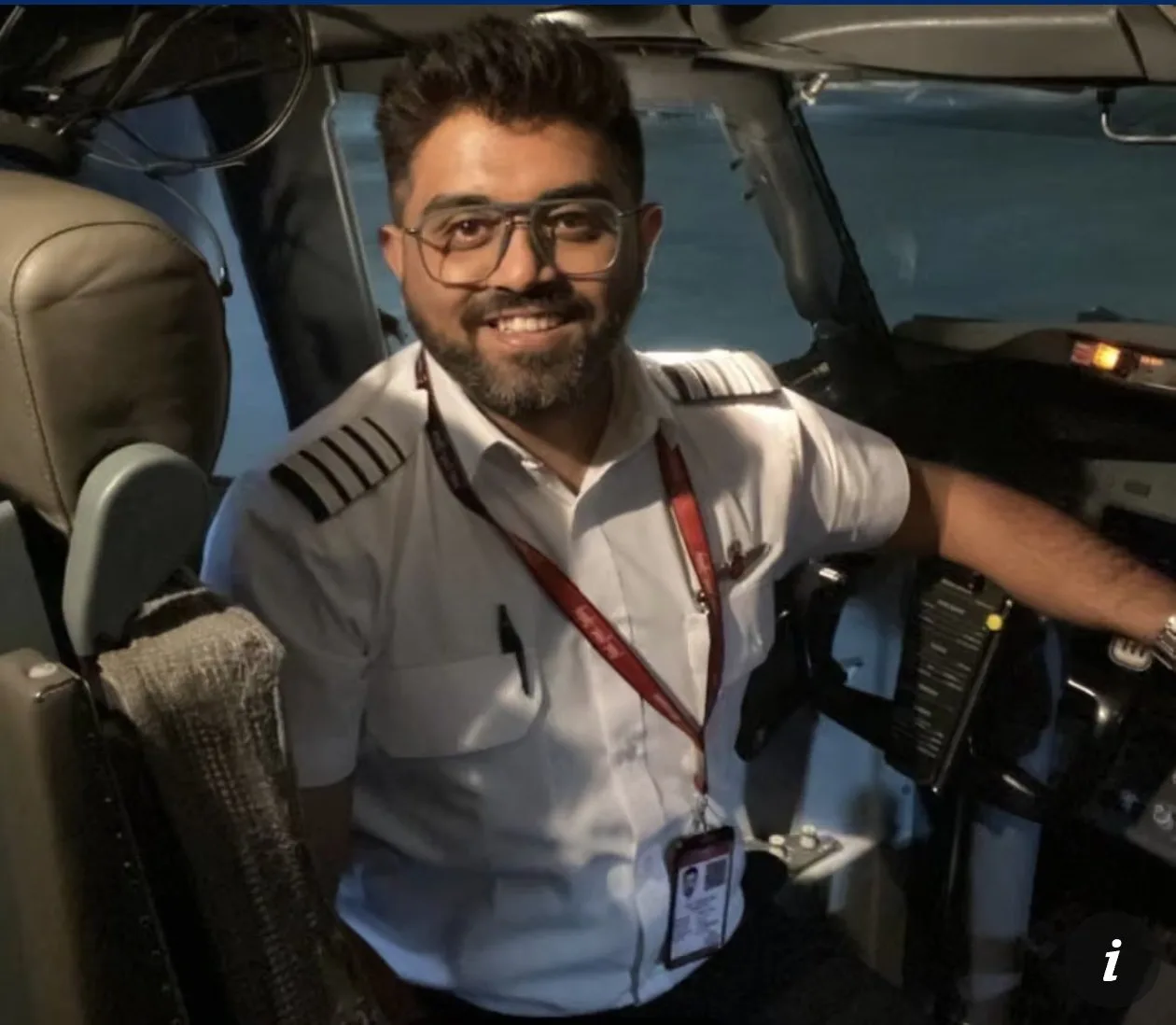
    Captain Smit Machchhar

    “He was actually kind of jumping above the guys that were handling the terrorist, and he reached out to the pilot area and started to take over. And then the other guy, the other pilot, joined in, and they closed the door because they didn’t want anybody else to be there,” he said.

    Passenger recalls pilot taking control

    Schlichter said the first pilot reacted quickly and appeared to understand the seriousness of the situation.

    “He acted really like a hero, taking over the plane and reacted like he understood exactly what is going on, and I think we owe him our lives not less than the other heroes that went on the flight,” he said.

    The aircraft had reportedly descended around 17,000 feet during the crisis, leaving the pilots with the urgent task of stabilising it. A mayday call was made as they searched for a safe airport.

    Passengers feared another hijacking

    The passengers did not initially know who the two pilots were. Their silence after taking control also created fresh anxiety.

    Also Read | Flydubai cockpit attack: Was Indian pilot Smit Machchhar hit with an axe?

    “After they managed to stabilise the airplane, actually they did not have any communication with us, and I have to tell you, I was worried about this,” Schlichter said.

    He feared the aircraft could be hijacked again, possibly towards Iran. About 45 minutes later, however, the pilots announced that the plane would land in Tabuk, Saudi Arabia, and reassured passengers that everything would be fine.

    Schlichter said he then trusted them. The aircraft ultimately landed safely in Saudi Arabia.
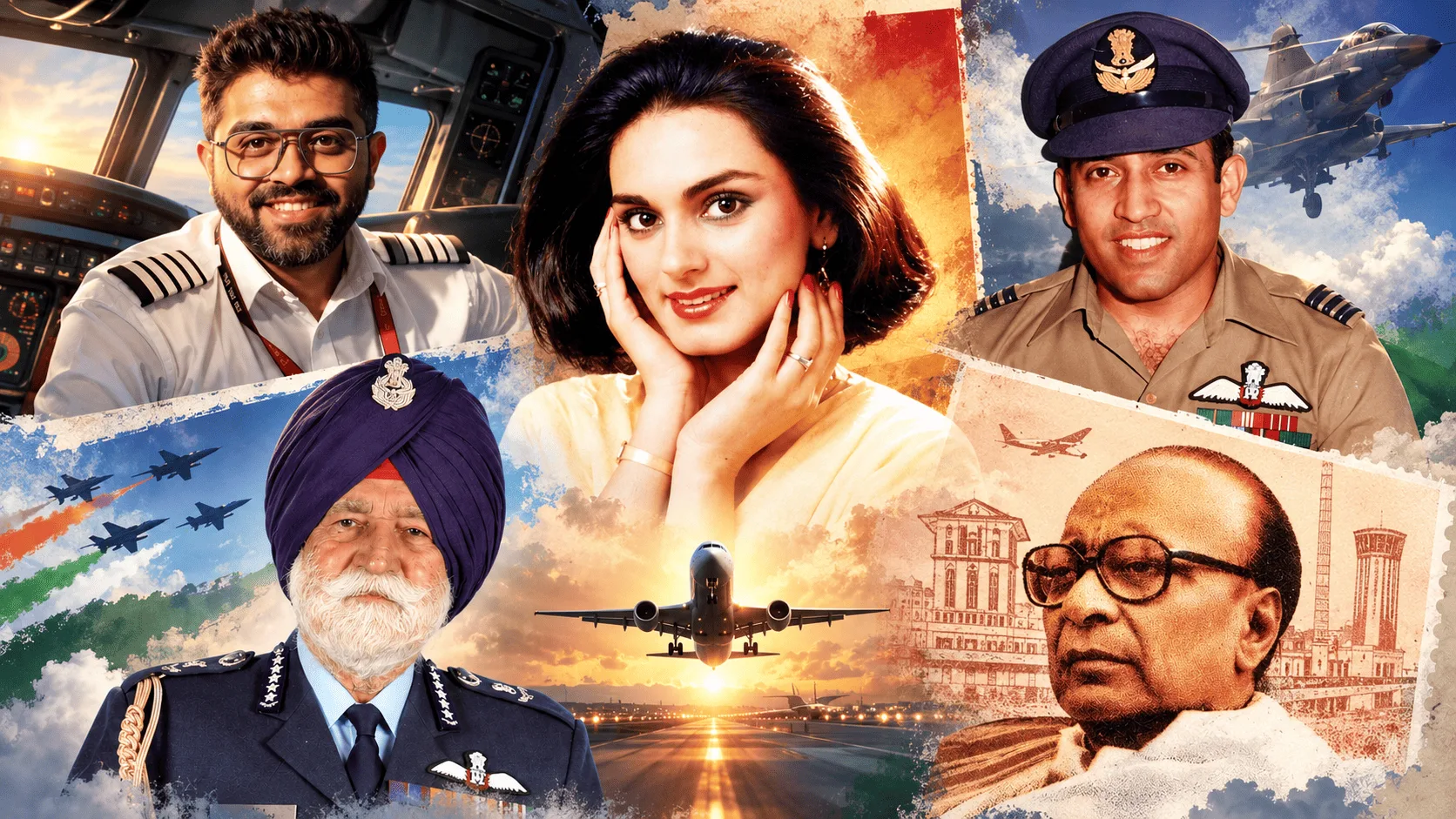
  • From Smit Machchhar to Neerja Bhanot: Indian aviation heroes who defied danger

    From Smit Machchhar to Neerja Bhanot: Indian aviation heroes who defied danger

    Captain Smit Machchhar’s ordeal on October 1, 2026, has added another remarkable chapter to India’s history of aviation courage. While operating a flydubai flight from Dubai to Tel Aviv, Machchhar was attacked by his co-pilot inside the cockpit. Despite suffering serious injuries, he remained focused on securing the aircraft and helping protect the passengers from the immediate threat.

    His experience recalls several other extraordinary stories involving pilots and cabin crew who faced hijackings, wartime missions and other life-threatening situations while responsible for hundreds of lives. In each case, the crisis demanded quick judgment, composure and courage under extreme pressure.

    Captain Smit Machchhar, 2026

    Captain Smit Machchhar was commanding a Boeing 737 when his co-pilot suddenly attacked and stabbed him. Even while badly injured and bleeding, he activated the emergency lock release, enabling cabin crew and passengers to enter the cockpit and overpower the attacker.

    Smit Machchhar
    Captain Smit Machchhar

    The aircraft was subsequently diverted to Saudi Arabia. The incident involved 174 passengers and placed the captain’s composure under extraordinary pressure.

    Also Read | Smit Machchhar chanted Hanuman Chalisa during Flydubai attack: Why the prayer symbolises strength and protection?

    Neerja Bhanot, 1986

    Neerja Bhanot was serving as the senior flight purser on Pan Am Flight 73 when terrorists hijacked the aircraft in Karachi. She alerted the cockpit crew, giving the pilots time to escape and preventing the aircraft from being flown away.

    Neerja Bhanot
    Neerja Bhanot | Pinterest

    During the 17-hour ordeal, Bhanot concealed the passports of American passengers to protect them from being singled out. She was killed while shielding three children from gunfire. Bhanot was later awarded the Ashoka Chakra posthumously.

    Captain Devi Sharan, 1999

    Captain Devi Sharan was at the controls of Indian Airlines Flight IC 814 when it was hijacked by five terrorists. The aircraft was forced to travel across several countries during the seven-day crisis.

    With limited fuel and armed hijackers on board, Sharan continued flying and negotiating under immense pressure. His handling of the situation helped keep the passengers and crew alive until the crisis ended.

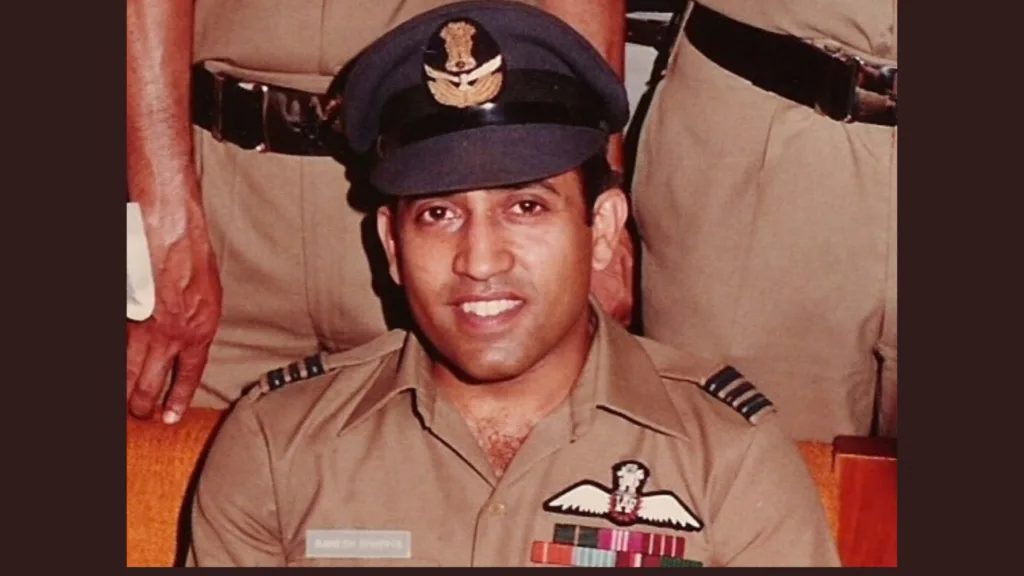
    Wing Commander Rakesh Sharma, 1984

    Before becoming India’s first cosmonaut, Rakesh Sharma served as an Indian Air Force fighter pilot. During the 1971 Indo-Pak War, he flew 21 combat missions in a MiG-21.

    Rakesh Sharma
    Wing Commander Rakesh Sharma | Wikpedia

    His military career later led him to the Soviet Salyut 7 space station, where he became a symbol of India’s achievements in space.

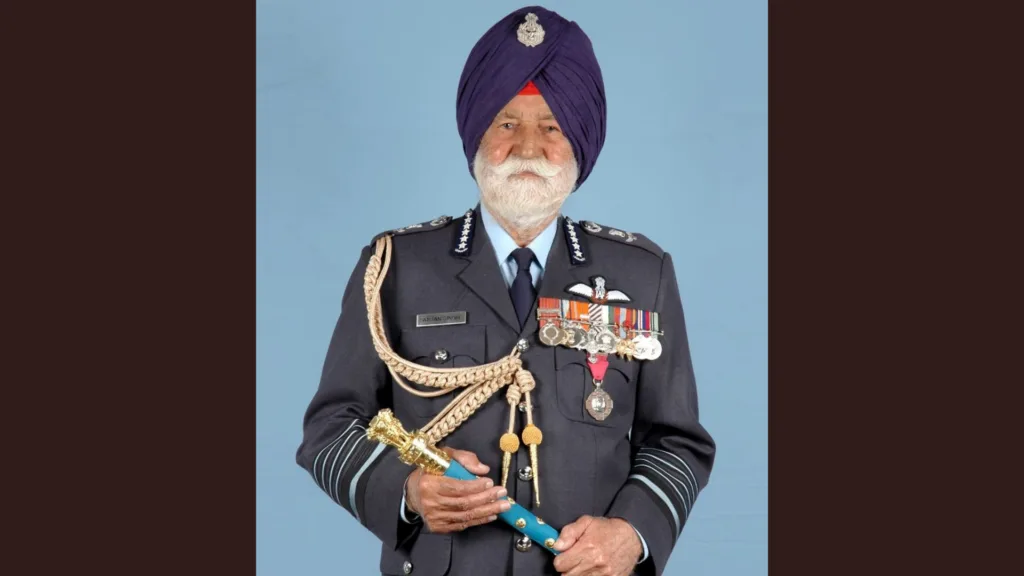
    Air Marshal Arjan Singh, 1965

    Air Marshal Arjan Singh led the Indian Air Force during the 1965 Indo-Pak War as Chief of the Air Staff. His leadership during the conflict earned him a place among India’s most distinguished military aviators.

    Arjan Singh
    Air Marshal Arjan Singh | Wikipedia

    He later became the first and only IAF officer to receive the five-star rank of Marshal of the Air Force.

    Also Read | Flydubai FZ1073: The 5 people who helped stop a mid-air catastrophe

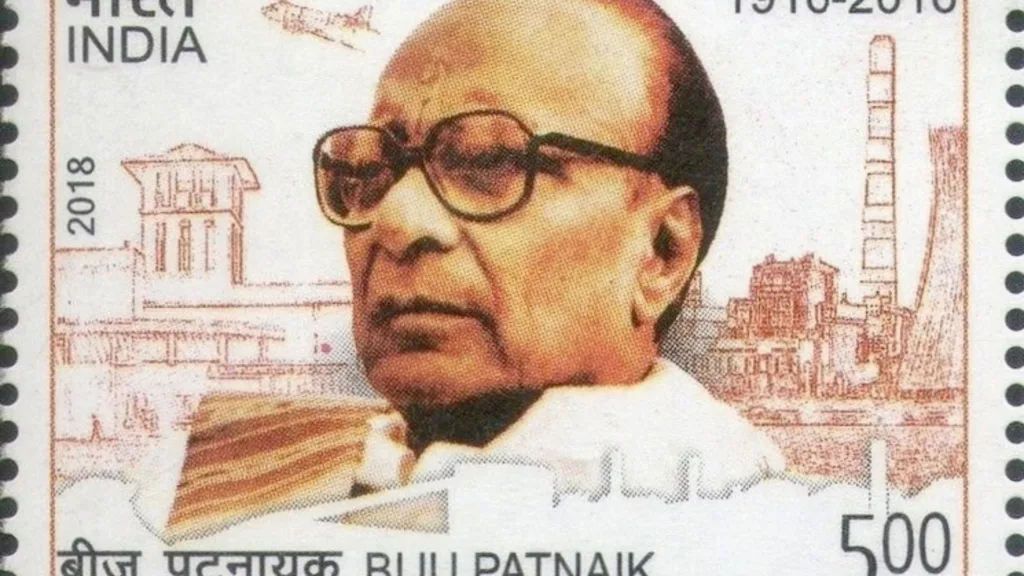
    Biju Patnaik, 1947

    Biju Patnaik was a pilot before entering politics and undertook dangerous flying missions during World War II. During the 1947 war, he flew the first wave of Indian troops into Srinagar as Indian forces moved to defend Kashmir.

    Biju Patnaik
    Biju Patnaik | Wikipedia

    Patnaik was also involved in a covert mission to Jakarta, where he flew through a blockade to rescue Indonesian freedom fighters.

  • Smit Machchhar chanted Hanuman Chalisa during Flydubai attack: Why the prayer symbolises strength and protection? 

    Smit Machchhar chanted Hanuman Chalisa during Flydubai attack: Why the prayer symbolises strength and protection? 

    In a moment when fear and chaos took over the cockpit, Captain Smit Machchhar held on to something deeply familiar: the Hanuman Chalisa. The Indian flydubai pilot, who was seriously injured after being attacked by his co-pilot during a flight from Dubai to Tel Aviv, turned to the prayer as he faced one of the most frightening moments of his life.

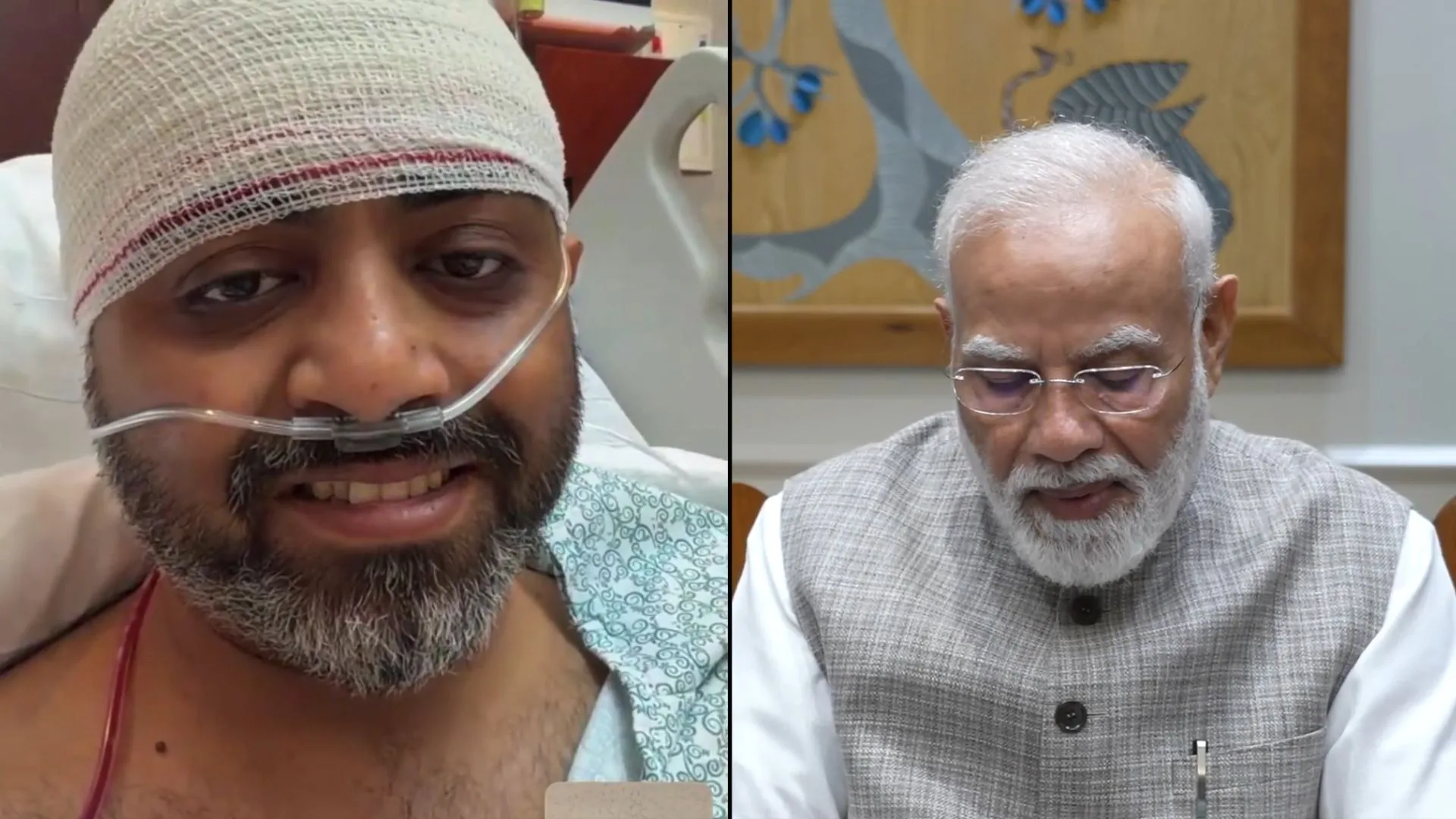
    Speaking to Prime Minister Narendra Modi during a video call, Machchhar said that he was reciting the Hanuman Chalisa during the ordeal. He also said that he turns to the prayer whenever he feels afraid or is in pain, and believes that God saved him.

    What is the Hanuman Chalisa?

    The Hanuman Chalisa is a devotional hymn devoted to Lord Hanuman and contains 40 verses, known as chaupais. It was composed by poet-saint Goswami Tulsidas.

    Also Read | Flydubai FZ1073: The 5 people who helped stop a mid-air catastrophe

    In Hindu tradition, Lord Hanuman is associated with qualities such as courage, strength, devotion and service to Lord Rama. He is also known as Sankat Mochan, a name that refers to the remover of difficulties.

    Flydubai attack: Why Smit Machchhar chanted Hanuman Chalisa?
    Hanuman Chalisa became Smit Machchhar’s source of strength amid fear | AI Generated

    Because of this association, devotees often recite the Hanuman Chalisa during challenging or uncertain moments. Traditional beliefs regard the prayer as a means of seeking protection, inner strength and help while facing obstacles.

    For many devotees, chanting the Hanuman Chalisa is also an act of remembrance and surrender. Tuesday and Saturday are traditionally associated with Hanuman worship, although the prayer is recited by devotees on other days as well.

    ‘Whenever I feel afraid, I chant the Hanuman Chalisa’

    Machchhar indicated that the prayer has been part of his life well before the flight incident. During his conversation with PM Modi, he said that whenever he feels fear or pain, he recites the Hanuman Chalisa.

    Also Read | Flydubai cockpit attack: Was Indian pilot Smit Machchhar hit with an axe?

    “I have a two-year-old son. He sits in my lap when I pray. I recite Hanuman Chalisa to him because we are away from the country, but not away from our traditions,” he added.

    The pilot also recalled pushing himself to get back up after being injured because passengers were relying on him. He managed to open the cockpit door, allowing passengers and crew to intervene, while the aircraft was diverted for an emergency landing in Tabuk, Saudi Arabia.

    The idea of Sankat Mochan is closely connected with this devotional tradition. For devotees, invoking Hanuman during difficult moments can represent a search for protection, courage and strength when circumstances feel beyond their control.

  • Flydubai FZ1073: The 5 people who helped stop a mid-air catastrophe

    Flydubai FZ1073: The 5 people who helped stop a mid-air catastrophe

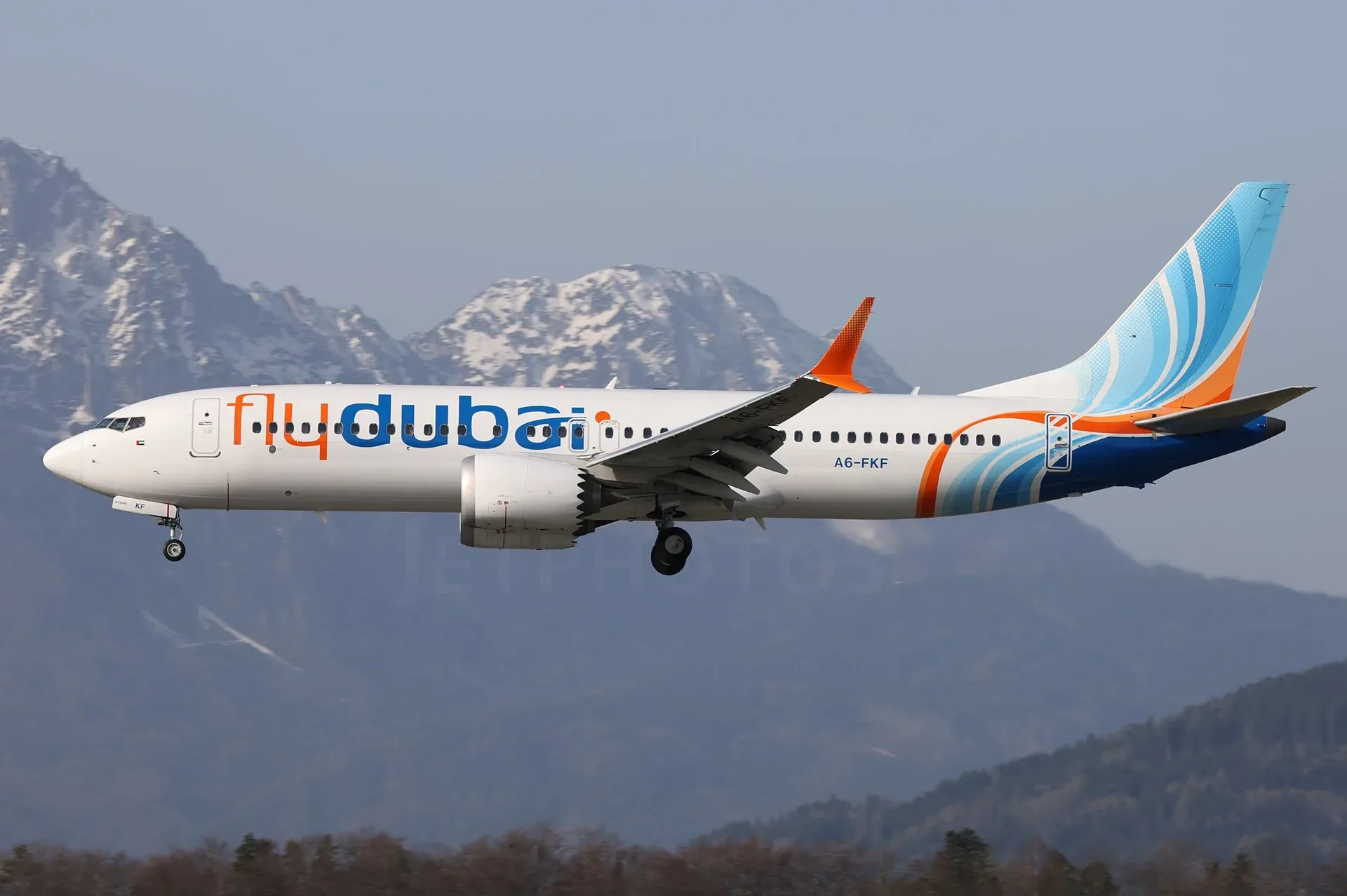
    Flydubai flight FZ1073 was flying from Dubai to Tel Aviv on September 30 when an incident inside the cockpit triggered a serious emergency. The aircraft was diverted to Tabuk in Saudi Arabia and landed safely, with passengers and crew accounted for.

    The airline has said the cause and motive of the incident remain subject to investigation. Israeli officials and passengers later described the episode as an apparent attempt by the first officer to take control of the aircraft and crash it.

    Also Read | Trump’s SI order replaces AI in US government language: Here’s why

    Captain holds the line

    Captain Smit Machchhar was badly injured, yet the cockpit door became the turning point on Flydubai flight FZ1073 as passengers rushed in and confronted the suspected attacker | X (@Starboy2079)
    Captain Smit Machchhar was badly injured, yet the cockpit door became the turning point on Flydubai flight FZ1073 as passengers rushed in and confronted the suspected attacker | X (@Starboy2079)

    At the center of the response was Captain Smit Machchhar, the Indian pilot-in-command.

    Machchhar was attacked and suffered serious injuries. Despite being wounded, he managed to open the cockpit door, allowing people outside to enter.

    Prime Minister Narendra Modi later praised Machchhar for showing courage and resolve while seriously injured. He is recovering in a hospital in Tabuk, according to the reports.

    From fixing pipes to helping steady a plane

    Israeli Yaniv Hayun helped avert a tragedy aboard Flydubai flight FZ1073, after the co-pilot attacked the pilot and the plane began to dangerously lose altitude | X (@NOOLVIDAR11)
    Israeli Yaniv Hayun helped avert a tragedy aboard Flydubai flight FZ1073, after the co-pilot attacked the pilot and the plane began to dangerously lose altitude | X (@NOOLVIDAR11)

    That open cockpit door became a crucial moment. Israeli passenger Yaniv Hayun, a plumber, was among those who rushed inside.

    Hayun told Israeli media that he found the suspected attacker near the controls and pulled him away.

    He also said he had watched “Air Crash Investigation” and used what he remembered to pull back on the aircraft controls as the plane was descending.

    “I watched ‘Air Crash Investigation,’ so I pulled the controls, and the plane began to level out,” Hayun said.

    Quite the unusual rescue party

    Hayun was not alone. Assaf Rajuan, an insurance agency owner, also entered the cockpit and helped overpower the suspected attacker.

    Zvika Manes, the CEO of Bank Leumi’s underwriting company, helped restrain the man. Passenger accounts said cables from the aircraft’s multimedia headphones were used to help tie him down.

    Rajuan said passengers and crew kept the attacker restrained while the aircraft was diverted to Saudi Arabia.

    The fourth passenger was dentist Dr. Shota Musaev. After helping restrain the attacker, Musaev turned to Machchhar, who had suffered heavy bleeding.

    Musaev said he was the only doctor on the flight and managed to stop the bleeding. “I managed to stop the bleeding,” he said.

    The pilot remained conscious and was able to communicate, according to Musaev’s account.

    Never off-duty

    Two off-duty pilots who were travelling as passengers also played a critical role.

    They subsequently took over the aircraft’s operation and helped land it safely at Tabuk. That means the rescue was not the work of one person alone.

    Machchhar’s actions helped open the cockpit; passengers subdued the suspected attacker; a dentist treated the injured captain; and pilots among the passengers helped fly the aircraft.

    Also Read | Flydubai cockpit attack: Was Indian pilot Smit Machchhar hit with an axe?

    Why remains elusive

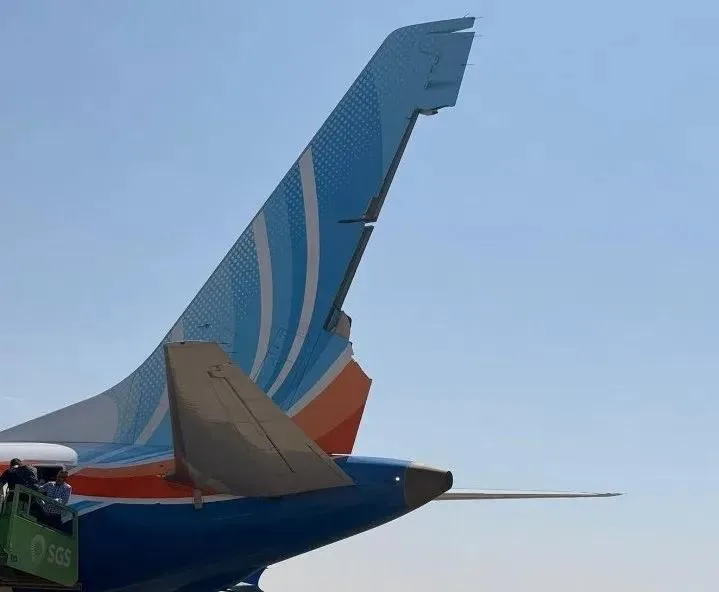
    This is the damage from a sudden drop in altitude of Flydubai Boeing 737 MAX 8 flight FZ1073 | X (@aprajitanefes)
    This is the damage from a sudden drop in altitude of Flydubai Boeing 737 MAX 8 flight FZ1073 | X (@aprajitanefes)

    The exact motive behind the cockpit attack has not been established.

    Israeli authorities have described the incident as an apparent attempt to crash the plane, while Flydubai has urged against premature conclusions as the investigation continues.

    What is clear is that a potentially catastrophic mid-air emergency ended with the aircraft landing safely in Saudi Arabia.

  • Flydubai cockpit attack: Was Indian pilot Smit Machchhar hit with an axe?

    Flydubai cockpit attack: Was Indian pilot Smit Machchhar hit with an axe?

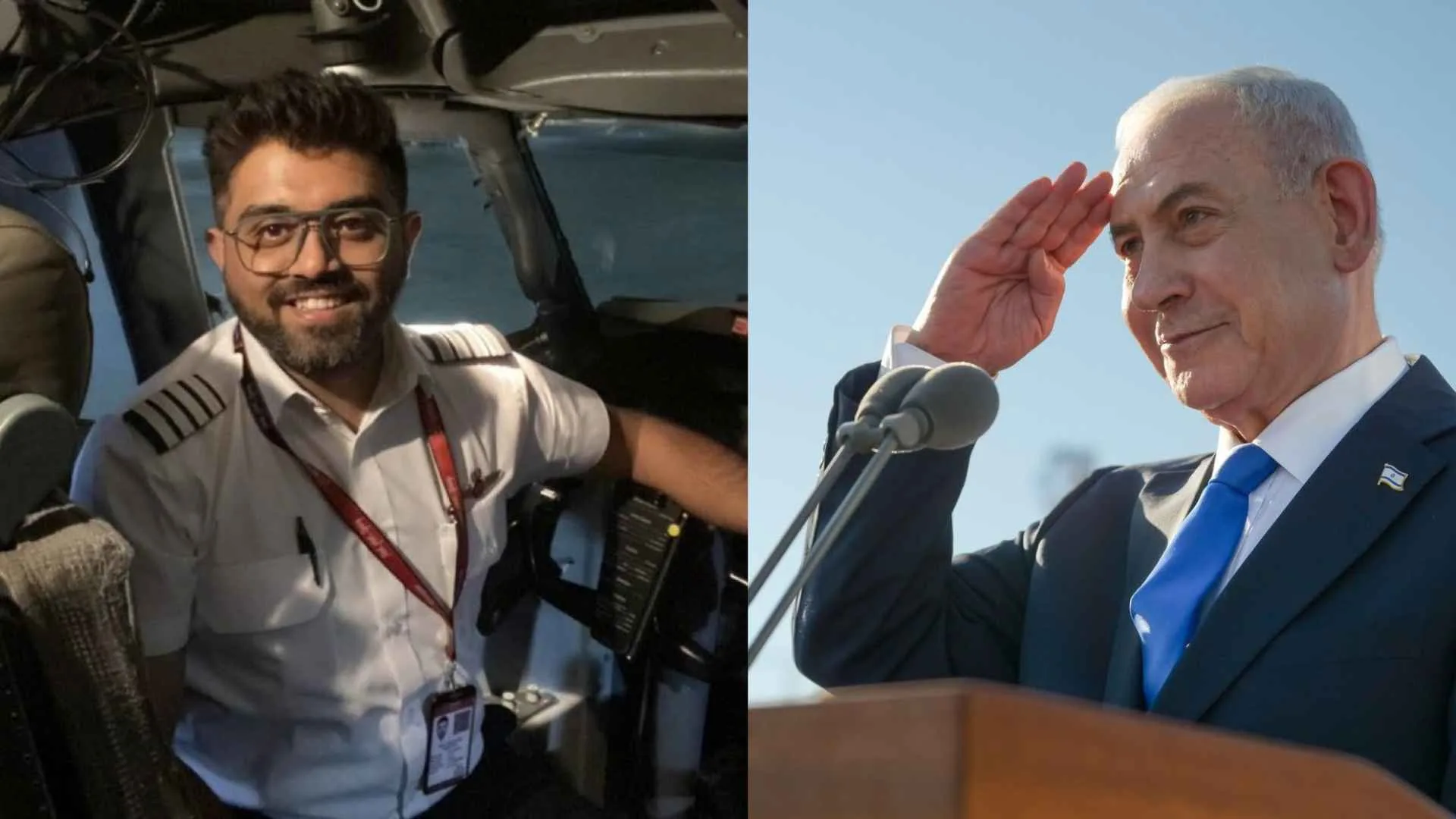
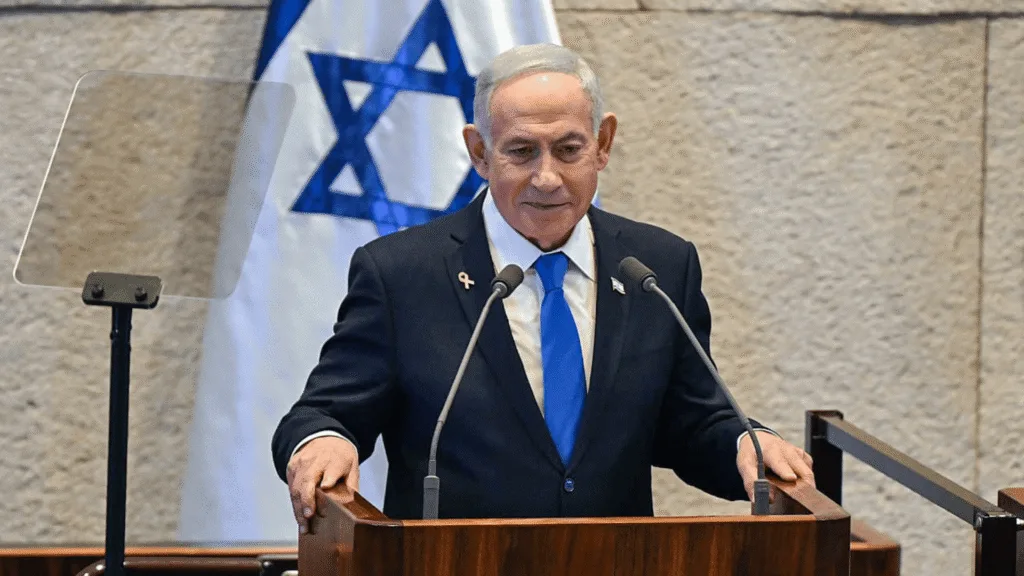
    Was an axe used to attack Indian pilot Smit Machchhar during the alleged flydubai crash attempt? Israeli Prime Minister Benjamin Netanyahu has raised that possibility, saying the captain was either stabbed or hit with an axe during the cockpit confrontation. However, the exact weapon used in the attack has not yet been confirmed.

    The incident took place on Wednesday as the flydubai aircraft was approaching Israel. The flight was carrying 174 passengers from Dubai to Tel Aviv when the co-pilot allegedly attacked Machchhar, causing the aircraft to lose nearly 14,000 feet in less than 30 seconds.

    Did the attacker use an axe or a knife?

    Netanyahu discussed the incident during an interview with Fox News Channel’s Sean Hannity, which aired on Wednesday night. Describing the attack, he said, “On a flight from Dubai to Israel, as they were approaching Israel, there was an attack by one of the pilots against the other pilot.”

    Also Read | A flight to Israel, a cockpit fight and a hijacking scare: What happened?

    “Apparently, he stabbed him, or he hit him with an axe. He was bleeding profusely,” Netanyahu said.

    Flydubai attack: Was Smit Machchhar hit with an axe?
    Netanyahu raises axe theory in flydubai pilot attack | ANI

    The statement leaves the question of the weapon open. While Netanyahu mentioned an axe as a possibility, passenger accounts referred to a knife.

    Passengers aboard the flight reportedly saw a man holding a knife while one of the pilots was lying injured and covered in blood.

    Could an axe have been available inside the cockpit?

    A pilot operating in the region, but not working for flydubai, told Reuters that pilots could have access to metal knives used for meal service or a crash axe.

    Crash axes are commonly kept in aircraft cockpits for emergencies. They can be used to break windows or open panels when access is needed during situations such as a fire.

    Flydubai flight to Israel: Cockpit fight sparks scare
    Flydubai cockpit attack leaves weapon mystery unresolved | X(@Flydubai)

    It therefore remains unclear whether the alleged attacker used a knife, a crash axe or another object. No definitive public confirmation of the weapon has been provided in the information available so far.

    What happened after the cockpit assault?

    The alleged attack triggered a struggle inside the aircraft as the plane rapidly lost altitude. Passengers and crew members entered the cockpit and overpowered the co-pilot.

    Two other flydubai pilots who were travelling on the same flight then took control of the aircraft and landed it safely in Tabuk, Saudi Arabia, according to Israeli officials.

    Machchhar, who was injured during the confrontation, was taken to hospital after the aircraft landed. Netanyahu, Prime Minister Narendra Modi and US President Donald Trump later praised the Indian pilot as a “hero”.

    Netanyahu said that the suspected co-pilot was arrested and described him as a possible Omani national. Authorities in Saudi Arabia and the UAE have also confirmed that investigations are underway.

    Also Read | Trump’s SI order replaces AI in US government language: Here’s why

    “We’ll get to the root of ⁠this attacker, whether he had accomplices,” Netanyahu said, while adding that it was “too early to say” when asked about possible Iranian involvement.

    For now, the central question surrounding the flydubai cockpit assault remains unanswered: was Machchhar attacked with a knife or an axe? The investigation is expected to establish what weapon was actually used.