Tag: Russia

  • Russian ship bound for Kaliningrad hit by drones, Finland restricts air and sea traffic

    Russian ship bound for Kaliningrad hit by drones, Finland restricts air and sea traffic

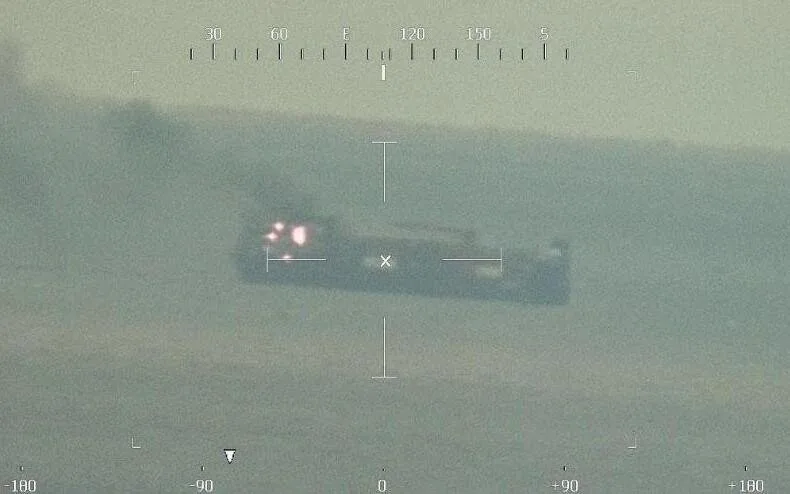
    A Russian cargo ship heading towards the Baltic Sea region of Kaliningrad was struck by two drones in international waters in the Gulf of Finland on Saturday, November 21.

    The vessel, identified as Sparta II, caught fire and later drifted into Finnish territorial waters. The incident prompted Finland to impose temporary restrictions on air and maritime traffic in the area as rescue and firefighting preparations began.

    Also Read | Anthropic shares jump 34% on debut, taking AI giant’s valuation to $2 trillion

    A narrow sea
    The vessel was struck in international waters | X (@theinformant_x)
    The vessel was struck in international waters | X (@theinformant_x)

    Russian and Finnish authorities confirmed the damage to the ship, but the circumstances surrounding the attack remain unclear.

    No country has claimed responsibility. Ukraine has not immediately commented on the incident, and Finnish authorities have not publicly identified who launched the drones.

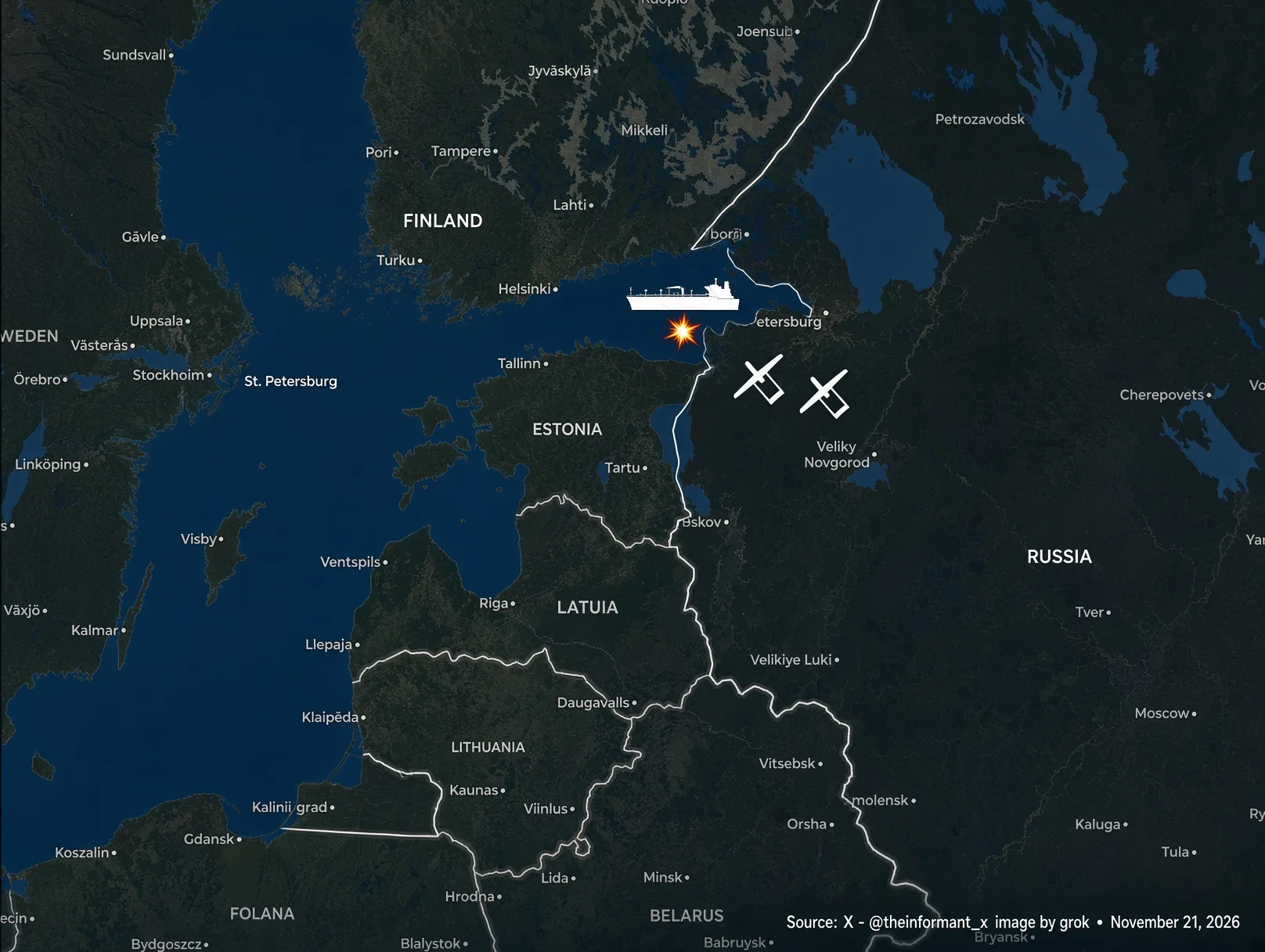
    The location is important. The Gulf of Finland is a narrow arm of the Baltic Sea, bordered by Finland to the north and Estonia to the south. It connects the Russian port city of St Petersburg with the wider Baltic Sea.

    The attack took place west of Gogland Island, also known as Suursaari, in the eastern part of the gulf.

    The island lies around 40 km from Finland’s coast. Although the attack happened in international waters, the damaged ship subsequently drifted into Finnish territorial waters.

    A ship with more baggage than most

    The Russian cargo ship has caught fire after a drone attack near Finland. With the attackers still unidentified, the incident raises fresh questions about Baltic security | X (@theinformant_x)
    The Russian cargo ship has caught fire after a drone attack near Finland. With the attackers still unidentified, the incident raises fresh questions about Baltic security | X (@theinformant_x)

    The Sparta II is not just an ordinary commercial cargo ship. According to information published by Ukraine’s military intelligence, the vessel has previously been involved in transporting weapons and military equipment for Russia.

    Its records include the transportation of S-300 air defence systems from Syria to the Russian port of Novorossiysk in August 2022.

    The ship is associated with Oboronlogistics, a Russian shipping company linked to the country’s Defence Ministry. The United States imposed sanctions on the vessel in May 2022, while Ukraine added it to its own sanctions list in May 2026.

    These details explain why the vessel has attracted attention beyond the immediate fire incident. However, there is no confirmed information about the cargo it was carrying when it was attacked on Saturday.

    No claim, and no clear answer

    Russian officials said two drones struck the vessel close to Russia’s maritime border. Alexander Drozdenko, governor of Russia’s Leningrad region, said the ship was attacked about three nautical miles from the Russian border. He also said the damage was being assessed.

    Neither Ukraine nor any other country has claimed responsibility. Ukraine’s Foreign Ministry had not immediately responded. Finnish Prime Minister Petteri Orpo acknowledged the incident but stopped short of identifying those responsible. He said, “The war is spilling over into our neighbouring areas. Finnish authorities are handling the situation in the Gulf of Finland, where a drone strike has hit a Russian merchant vessel.”

    He also said Ukraine had the right to fight against the aggressor.

    The condition of the crew has also drawn attention. Drozdenko said the crew was being evacuated. However, Finland’s Border Guard subsequently said the crew had not been forced to abandon the ship and that preparations were under way to evacuate personnel and assist with firefighting.

    Finnish authorities also reported no environmental damage so far and said the incident posed no danger to other maritime traffic.

    Helsinki keeps a weather eye on the gulf
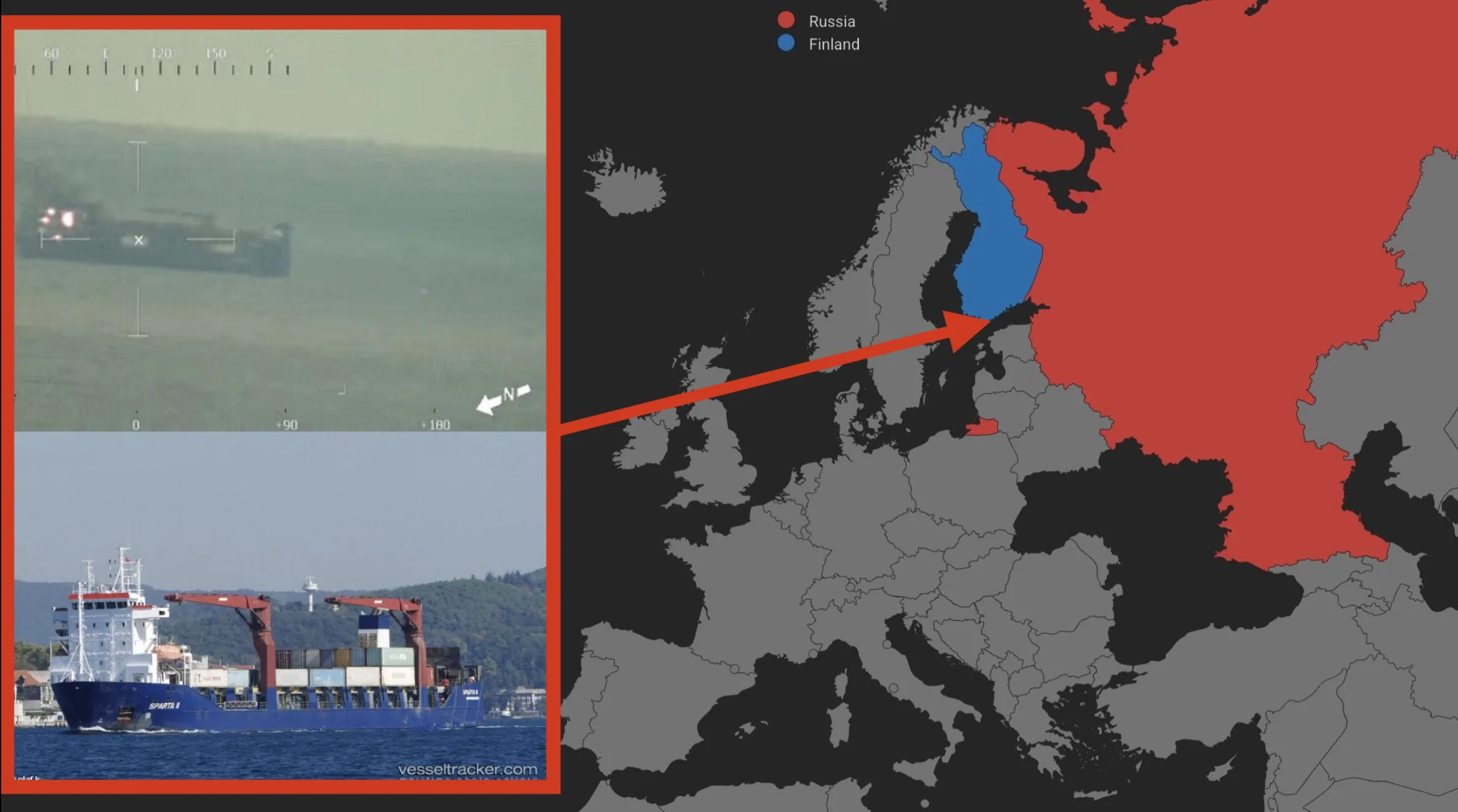
    Finland's Defence Forces say a drone strike hit the Russian cargo ship 'Sparta II' in the eastern Gulf of Finland earlier this morning, setting it on fire | X (@sentdefender)
    Finland’s Defence Forces say a drone strike hit the Russian cargo ship ‘Sparta II’ in the eastern Gulf of Finland earlier this morning, setting it on fire | X (@sentdefender)

    Finland’s response reflects the sensitivity of the region. The country is a NATO member and shares a long land border with Russia.

    The Gulf of Finland is also an important maritime corridor for Russian shipping. Following the incident, Finland temporarily restricted air and sea traffic in the eastern part of the gulf.

    The restrictions were intended to protect civilians and allow authorities to respond if further drones needed to be intercepted. Helsinki also informed its allies about the incident. Sweden offered assistance to Finland.

    There is some recent history behind these concerns. Earlier in November, Finland reported a strike on a Russian warship in the Gulf of Finland. Ukraine subsequently claimed responsibility for that incident.

    Helsinki had raised concerns with Kyiv about attacks taking place in the region. The latest strike therefore comes amid growing attention to the risks of the Russia-Ukraine war extending into the Baltic maritime region.

    Also Read | NASA’s Voyager 1 is a light-day away from Earth, but how long can it last?

    Estonia’s move is another story

    Another development underlining regional tensions is Estonia’s decision to close all five of its road border crossing points with Russia from December 1 for at least six months.

    The Estonian government announced the measure on November 20, citing national security concerns and alleged hostile activities by Russian security services.

    These included attacks targeting defence industry companies in Estonia. Moscow denied involvement in the alleged arson attack and criticised the proposed closure, describing it as an attempt to create a new Iron Curtain.

    The border decision is separate from the attack on the Sparta II. It was not announced as a direct response to the ship incident. Rail freight between Estonia and Russia will also continue under existing customs restrictions.

    For now, the immediate priority remains the damaged vessel, the safety of its crew and the prevention of any environmental consequences. The attack also raises broader questions about the security of commercial shipping in the Baltic Sea.

    With the identity of the attackers still unknown, the incident adds another layer of uncertainty to an already tense region.
  • Poland steps up security on Kaliningrad border over fears of armed incursions

    Poland steps up security on Kaliningrad border over fears of armed incursions

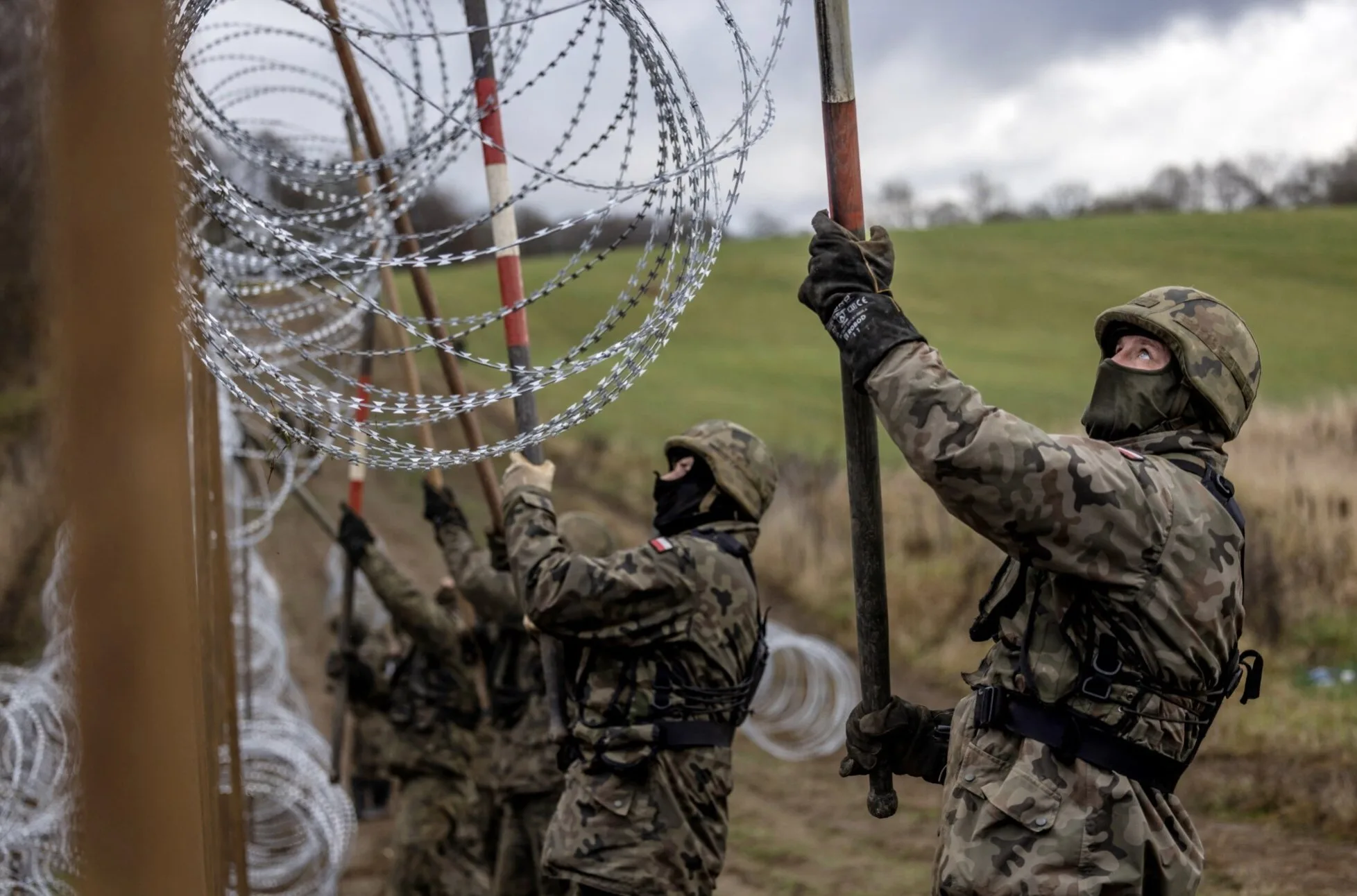
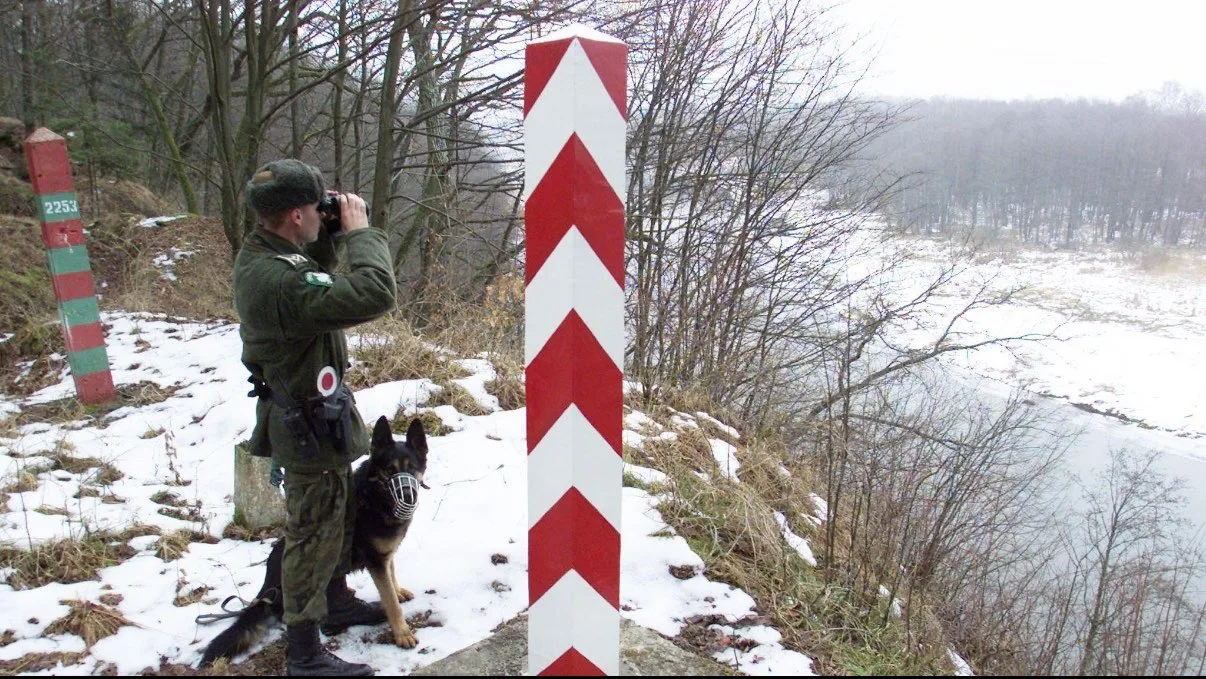
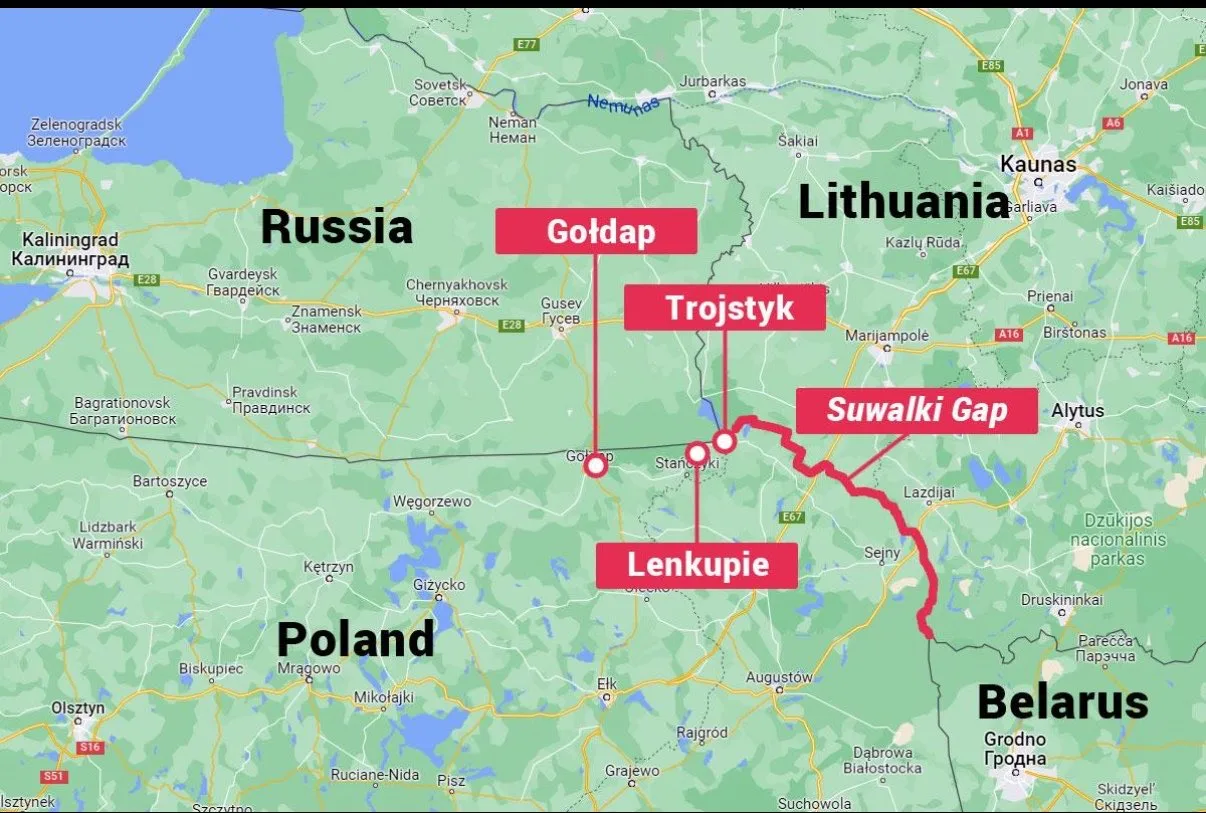
    Poland has deployed additional police officers, including counter-terrorism units, along its border with Russia’s Kaliningrad exclave after receiving intelligence warnings of possible sabotage and armed incursions.

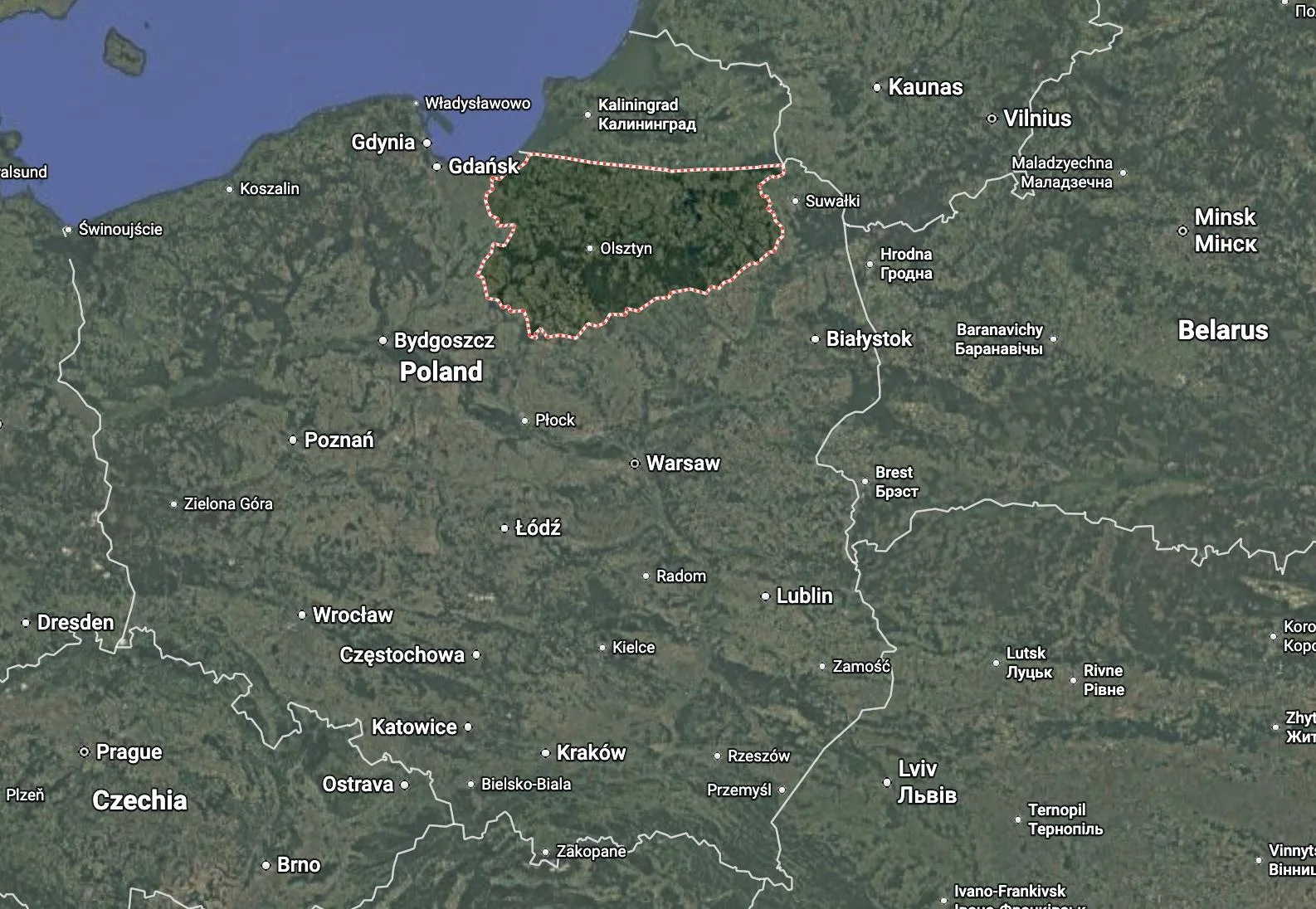
    The operation covers the northeastern provinces of Warmian-Masurian and Podlaskie. National Police Chief Marek Boroń confirmed the deployment on November 2.

    He said the measures were intended to protect local residents and facilities.

    Also Read | Britain may apologise for slave trade, but will it pay reparations?

    A Russian exclave on NATO’s eastern doorstep

    Poland has launched a special security operation near Russia’s Kaliningrad exclave following intelligence warnings of potential sabotage and incursions by armed groups | X (@Apex_Intel24)
    Poland has launched a special security operation near Russia’s Kaliningrad exclave following intelligence warnings of potential sabotage and incursions by armed groups | X (@Apex_Intel24)

    Kaliningrad is a Russian territory on the Baltic Sea that has no land border with mainland Russia. It lies between Poland to the south and Lithuania to the north and east.

    Both countries are NATO members, making the area part of the alliance’s eastern frontier. The exclave’s position means security incidents along its borders can carry wider implications for regional stability.

    The trigger for the Polish operation was an intelligence warning issued last week. Polish broadcaster RMF, citing unnamed sources, reported that Poland’s Military Intelligence Service and agencies from allied countries had warned of possible sabotage activity along the border in the coming days.

    The warning reportedly included the possibility of armed groups attempting to cross into Polish territory from Kaliningrad. The authorities have not publicly disclosed the intelligence in detail or identified any group suspected of preparing such an action.

    The security machinery swings into action

    Poland Forming New Military Brigade to Defend Border with Kaliningrad | X (@europeanhorizon)
    Poland Forming New Military Brigade to Defend Border with Kaliningrad | X (@europeanhorizon)

    Boroń told RMF that police were preparing for “possible incidents that could lead to acts of sabotage”.

    He added, “This is based on information we also have from external security services.”

    The operation is being coordinated with the army, Border Guard and intelligence services. A special operational headquarters has been set up at the National Police Headquarters.

    Police commands in Olsztyn and Białystok are also involved, and additional officers have been brought in from other parts of the country.

    Deputy police commander Tomasz Michułka had ordered officers to remain on “full readiness” from November 2 to 8 because of the “operational situation across the country”.

    Police later clarified that the order was linked to threats involving sabotage and subversion. It was not connected to the political confrontation at Poland’s Constitutional Tribunal in Warsaw.

    Police spokeswoman Katarzyna Nowak said further details of the operation could not be disclosed because they were confidential.

    The figures tell a sobering story

    The concern also reflects a pattern of suspected sabotage across Europe since Russia’s full-scale invasion of Ukraine.

    A report by the International Centre for Counter-Terrorism, published in February 2026, recorded 151 Russian-linked sabotage incidents across Europe between February 2022 and February 2026.

    It identified 31 cases in Poland, the highest number among the countries covered. One was the November 2025 attack on a railway line in Poland, in which Ukrainian nationals were accused of acting on behalf of Russian intelligence.

    The report also found that about 95% of identified perpetrators across the cases were ordinary civilians with no formal ties to Russian intelligence.

    Also Read | Scientists discover 1,500 km-wide object beyond Pluto, could it be a new dwarf planet?

    A warning is not quite an invasion

    Police were ordered to remain on 'full readiness' from November 2 to 8 | X (@MarioNawfal)
    Police were ordered to remain on ‘full readiness’ from November 2 to 8 | X (@MarioNawfal)

    This is the context in which officials have used the term “hybrid” activity. It refers to hostile actions that fall short of a conventional military attack but can still disrupt public safety, infrastructure or institutions.

    Sabotage and covert operations can be part of this approach. In the present case, however, Polish authorities have not reported a confirmed sabotage incident or an armed border crossing linked to the warning.

    The additional deployment is a precaution in response to intelligence assessments, not confirmation that an incursion has taken place.

  • Did plague kill Russia lab worker? WHO says risk assessment remains unclear

    Did plague kill Russia lab worker? WHO says risk assessment remains unclear

    A 28-year-old worker at an anti-plague research institute in Siberia has died after developing severe pneumonia, prompting authorities to quarantine about 200 people and triggering international concern.

    Russia has not confirmed that she had the plague. The worker, identified by Russian media as Darya Shipilova, died on October 2. Russia’s health regulator, Rospotrebnadzor, said she died from pneumonia of unknown origin.

    It also said no microorganisms linked to her professional duties were found in samples taken from her. The case has nevertheless drawn scrutiny because she worked at the Irkutsk Anti-Plague Research Institute of Siberia and the Far East, where plague and other infectious diseases are studied.

    Also Read | Nobel Prize in Medicine 2026: How 3 scientists unlocked the brain with light

    Rumours abound, but the evidence remains coy

    The 28-year-old worked at a Siberian anti-plague research institute and died after developing what authorities call “pneumonia of unknown etiology.” | X (@MarioNawfal)
    The 28-year-old worked at a Siberian anti-plague research institute and died after developing what authorities call “pneumonia of unknown etiology.” | X (@MarioNawfal)

    Questions began after conflicting accounts of how Shipilova became ill. One claim circulating online said she had broken a test tube containing live plague bacteria at work.

    Russian authorities rejected that theory.

    Other versions linked her illness to travel or a visit to an area near the Mongolian border. There is no public evidence supporting those explanations.

    A regional official had earlier said Shipilova “may” have died from plague, but that was not a confirmation. The Russian response has instead focused on precaution.

    Around 200 contacts were placed under medical observation, while hospitals and other facilities introduced containment measures.

    By October 7, Rospotrebnadzor said around 90% of those quarantined had been released after nearly 5,000 laboratory tests failed to find dangerous pathogens among the contacts.

    It also said Shipilova had been vaccinated against the infections she worked with.

    What plague is

    The Siberian case has all the makings of a health scare | X (@digijordan)
    The Siberian case has all the makings of a health scare | X (@digijordan)

    Plague is caused by the bacterium Yersinia pestis. It circulates naturally among some small mammals and their fleas.

    Humans can become infected through infected flea bites, contact with contaminated material, or, in the pneumonic form, through respiratory particles from an infected person.

    Pneumonic plague is the most severe form because it affects the lungs and can spread between people through respiratory particles. Without prompt treatment, it can become fatal very quickly.

    Plague is treatable with antibiotics when it is diagnosed early. That combination explains the cautious response in Siberia. A suspected case involving a person working with dangerous pathogens can require rapid quarantine even when the diagnosis remains uncertain.

    Also Read | Messi farewell: ‘The whole world is grateful to you’ — Neymar’s tribute

    WHO seeks answers, Russia plays down risk

    Russia's response was cautious, while WHO says key details are still missing | X (@Technopolitik_)
    Russia’s response was cautious, while WHO says key details are still missing | X (@Technopolitik_)

    The World Health Organization is now pressing Russia for more information rather than declaring an outbreak.

    WHO said Russia had reported no recent plague cases in the Irkutsk region and had quarantined about 200 contacts. But the agency wants details of the tests conducted on Shipilova and those contacts, an explanation of what prompted the public-health measures, and updates on the health of the people monitored.

    WHO has also sought verification of reports about a second employee with pneumonia of undetermined cause.

    “We don’t yet have the full picture,” WHO Director-General Tedros Adhanom Ghebreyesus said on October 7. Russia, meanwhile, says there is no epidemic risk.

    For now, the available evidence does not establish a plague outbreak in Siberia. The unresolved issue is the exact cause of Shipilova’s pneumonia and the reason for the unusually broad precautionary response.

  • Trump says US ‘looking at it very strongly’ after plague researcher dies in Russia

    Trump says US ‘looking at it very strongly’ after plague researcher dies in Russia

    US President Donald Trump said that Washington is closely watching reports of a possible plague case in Russia and offered assistance to Moscow if needed. The comments came after reports of the death of a laboratory worker in Siberia raised concerns about a possible pneumonic plague infection and a potential laboratory accident.

    “We’re looking at it very strongly, we just heard about it,” Trump told reporters at the White House when asked about the reported risk of plague spreading from Russia. “We’ll help them, we’ll help them as much as we can.”

    Trump says US monitoring Russia after plague researcher dies
    Trump offers US help amid reports of possible plague in Russia | X (@TheWhiteHouse)

    The reports centred on 28-year-old Darya Shipilova, who was said to have died after working at an anti-plague institute in Russia’s Irkutsk region. Some reports linked her death to pneumonic plague and raised the possibility of an incident involving laboratory material.

    Russia disputes pneumonic plague reports

    Russian authorities have rejected the claim that Shipilova died from plague. Irkutsk Governor Igor Kobzev said an investigation determined that she had died from pneumonia of “undetermined aetiology”.

    Also Read | Nobel Prize in Medicine 2026: How 3 scientists unlocked the brain with light

    According to Kobzev, Russia’s consumer and health watchdog Rospotrebnadzor did not detect microorganisms associated with the woman’s work in her biological samples.

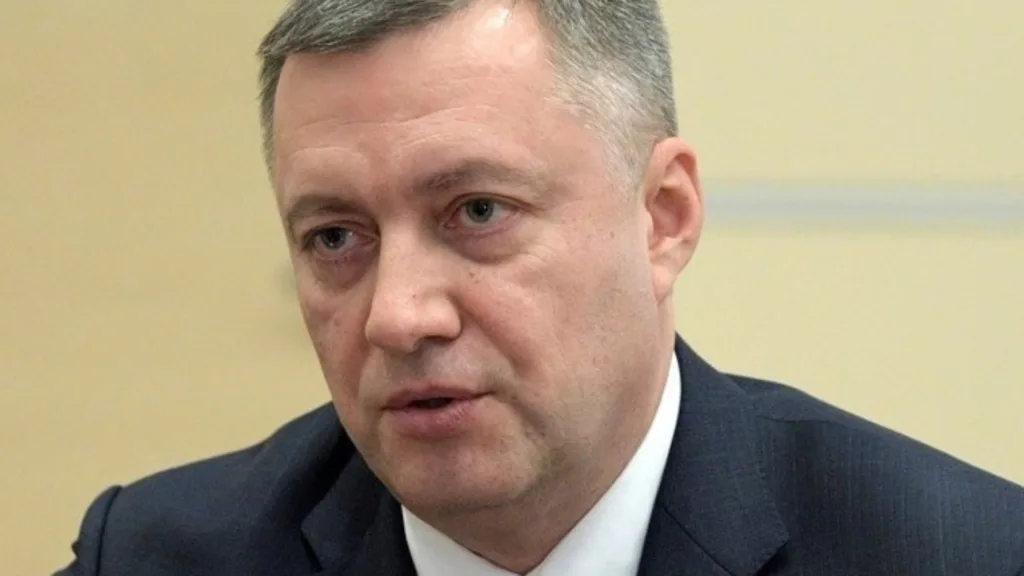
    Irkutsk Governor Igor Kobzev
    Irkutsk Governor Igor Kobzev | Wikipedia

    Kobzev also said that no other employees at the anti-plague institute had required medical treatment following her death. He said the sanitary situation in the region remained stable.

    Russian outlet People of Baikal, citing unnamed security sources, had reported that Shipilova may have contracted pneumonic plague after a test tube broke. Other reports raised similar concerns about a possible laboratory accident and said as many as 200 people had reportedly been quarantined.

    Also Read | As US Supreme Court term begins, Thomas-Alito factor gets fresh chances to wield power

    Kremlin spokesman Dmitry Peskov urged the public to depend on official information rather than “rumours and speculations”.

    US keeps watch on Russia situation

    US Secretary of State Marco Rubio said that Washington was monitoring the reports but said there was no “cause for alarm”. “Something like that gets out, it could quickly spread,” Rubio said, adding that the US was keeping a close watch.

    Marco Rubio
    US Secretary of State Marco Rubio | X

    Pneumonic plague is a serious form of plague that can spread through respiratory droplets and may become fatal if treatment is delayed, according to the World Health Organisation.

    The reports have also attracted attention in Washington amid continuing interest in infectious disease outbreaks following the Covid-19 pandemic and debates over its origins.

    Malick Gibani, a clinical associate professor in bacterial vaccinology at Imperial College London, said the measures reportedly taken in Russia appeared “proportionate”, pointing to quarantine and monitoring as steps that could limit potential transmission.