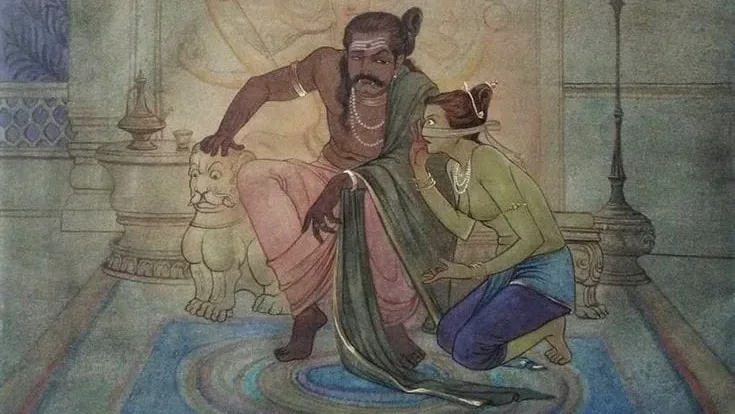
Ravana is one of the most known figures when it comes to Indian mythology. Every year, his idol is burnt during Dussehra to mark Rama’s victory over the king of Lanka. He is generally described as the villain of the Ramayana, the ruler who abducted Sita and eventually brought about his own destruction.
Yet Ravana’s character has never been entirely one-dimensional. He is also described in various traditions as a learned man, a powerful ruler, a musician and a devotee of Shiva. This has led to continuing debates about whether Ravana should simply be understood as evil.
But there is another part of his story that becomes important when his conduct towards women is discussed.
Ravana and the abduction of Sita
Ravana’s most well-known act is the abduction of Sita. He takes her away from the forest and brings her to Lanka, where she is kept at the Ashoka Vatika.
Ravana repeatedly tries to persuade Sita to accept him, but Sita refuses. He does not physically force himself on her. This aspect of the story in Ramyana has sometimes been used to argue that, despite abducting her, Ravana respected her decision not to be with him.
Also Read | 3 Hindu mythology stories that go beyond good vs evil
However, the story becomes more complicated when another episode involving the apsara Rambha is considered.
What happened between Ravana and Rambha?
In the Uttara Kanda of Ramayana, Ravana encounters Rambha and desires to be with her. Rambha tells him that she is connected to his family through Nalakuvera, Ravana’s nephew, and asks him not to approach her.
Ravana ignores her refusal and sexually assaults her.
When Nalakuvera learns what happened, he curses Ravana. According to the account, if Ravana ever tries to force himself upon another woman against her wishes, his head will split apart.
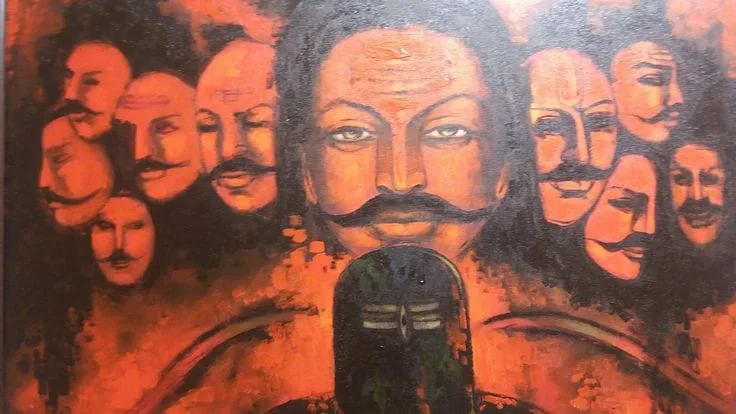
The curse becomes significant when the story of Sita is considered. It provides one explanation for why Ravana, despite keeping Sita captive, never physically violates her.
This makes it difficult to describe his behaviour towards Sita simply as an example of his respect for consent. His actions towards Rambha show that he had previously ignored a woman’s refusal. His restraint with Sita can therefore also be read in the context of the curse placed on him.
The Uttara Kanda question
There is also a textual question surrounding this episode. The Uttara Kanda has long been the subject of debate among scholars, with questions about whether all of its material formed part of the earliest version of the Valmiki Ramayana.
That does not make the Rambha story irrelevant. It is still an important part of the wider Ramayana tradition, but it is useful to distinguish between different layers and versions of the epic rather than treating every episode as belonging to one fixed text.
Also Read | Why should Hindus read Islamic mythology and what it reveals about shared traditions?
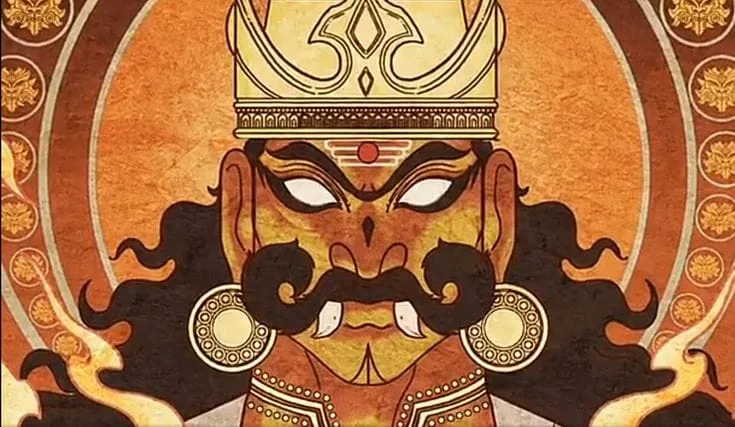
The Ramayana has been retold across languages, regions and centuries, and its characters have taken on different meanings in different traditions.
A complicated character does not mean an innocent one
Ravana’s positive qualities are often brought up when his character is reassessed. He is portrayed as highly educated and is associated with music, scholarship and devotion to Shiva. Some traditions also remember him as a capable ruler.
But these qualities do not erase his actions.
A person can possess admirable qualities and still commit serious wrongdoing. In Ravana’s case, his scholarship or devotion does not change the fact that Sita was taken against her will and kept in Lanka.
The same distinction is important when discussing the Rambha episode. Whether Ravana’s actions are viewed through a modern understanding of consent or through the moral framework of the epic, Rambha’s refusal is clear within the story, and Ravana ignores it.
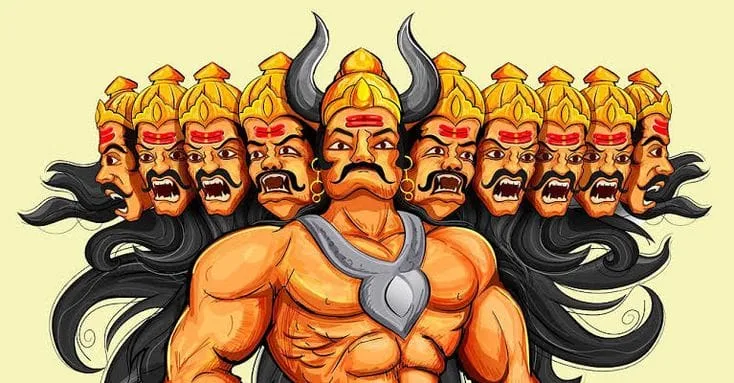
Why the debate around Ravana continues
Ravana remains an interesting figure precisely because the Ramayana does not leave readers with a character who can be understood through one quality alone. He is a powerful king, a scholar and a devotee, but he is also responsible for the abduction of Sita and, in the Rambha episode, an assault committed despite her refusal.
There are also communities and traditions in India where Ravana is viewed differently from the conventional Dussehra narrative. These variations are part of the larger history of how the Ramayana has been interpreted and retold.
The question, then, is not simply whether Ravana was entirely good or entirely evil. His character can be examined through all of these contradictions. But complexity should not be confused with absolution.
The story of Sita, particularly when read alongside the account of Rambha and Nalakuvera’s curse, brings the question of consent into sharp focus. Ravana may be remembered for his learning and power, but those qualities do not make his violations of another person’s freedom any less significant.If you want, I can also make this