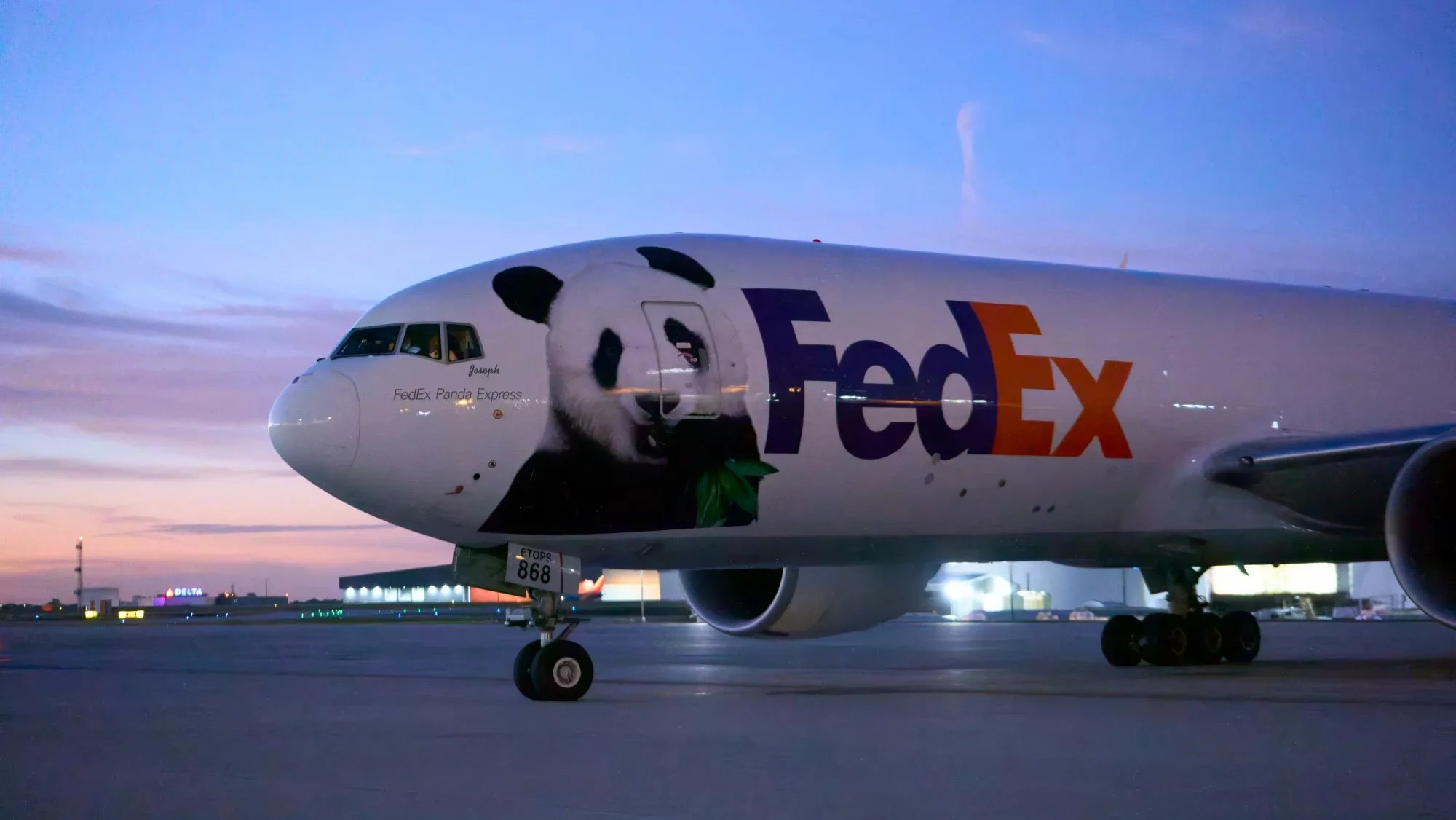
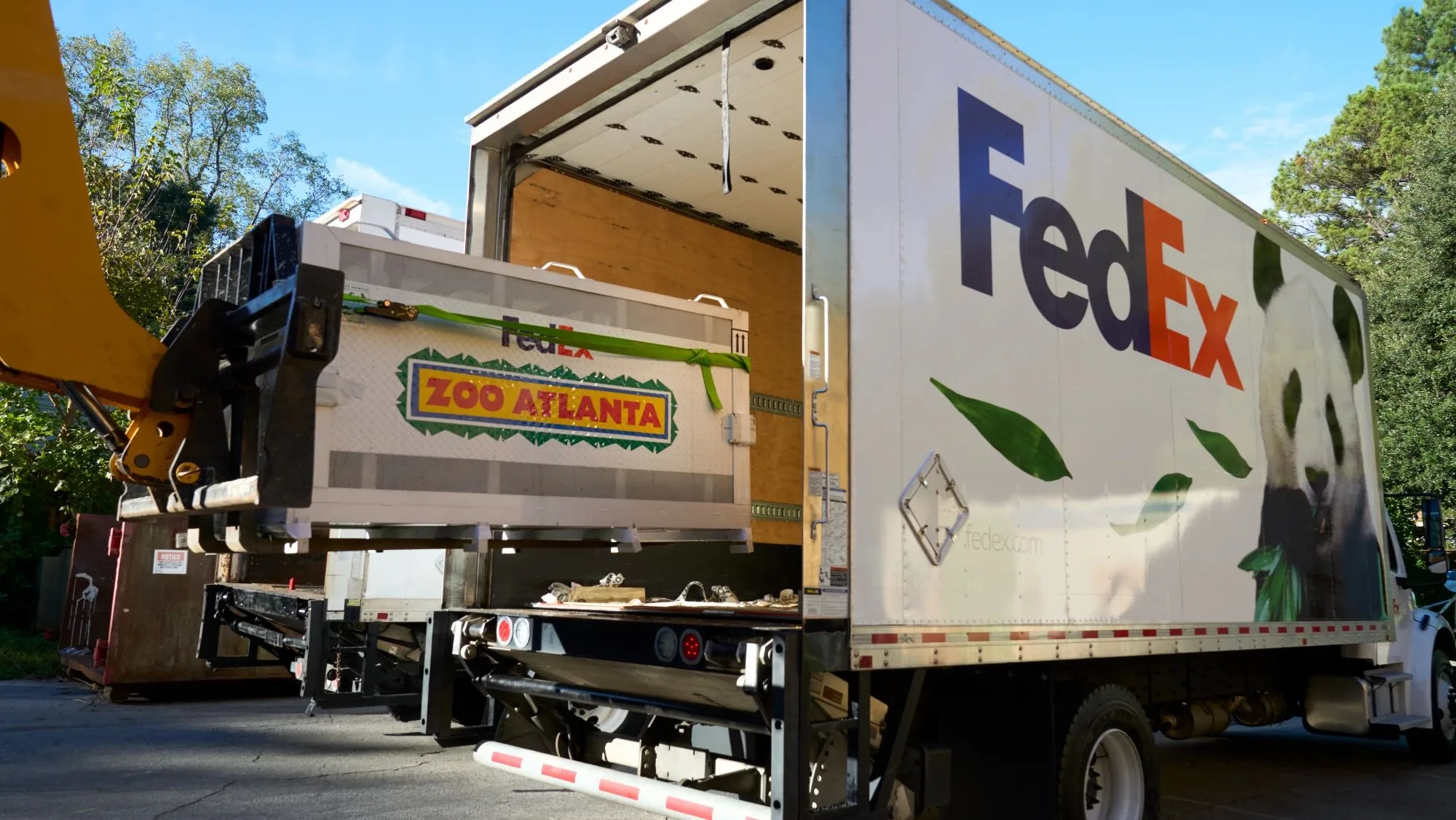
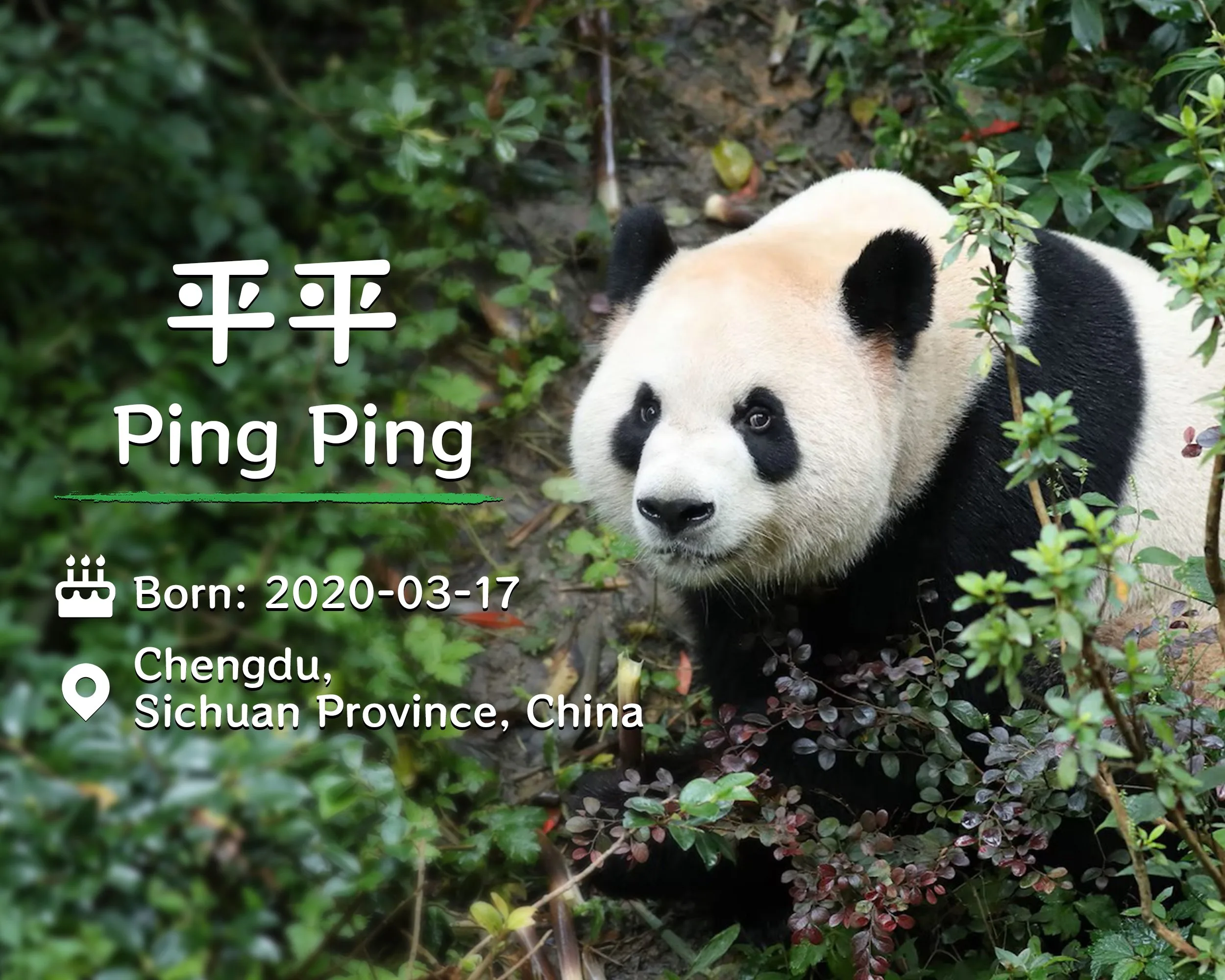
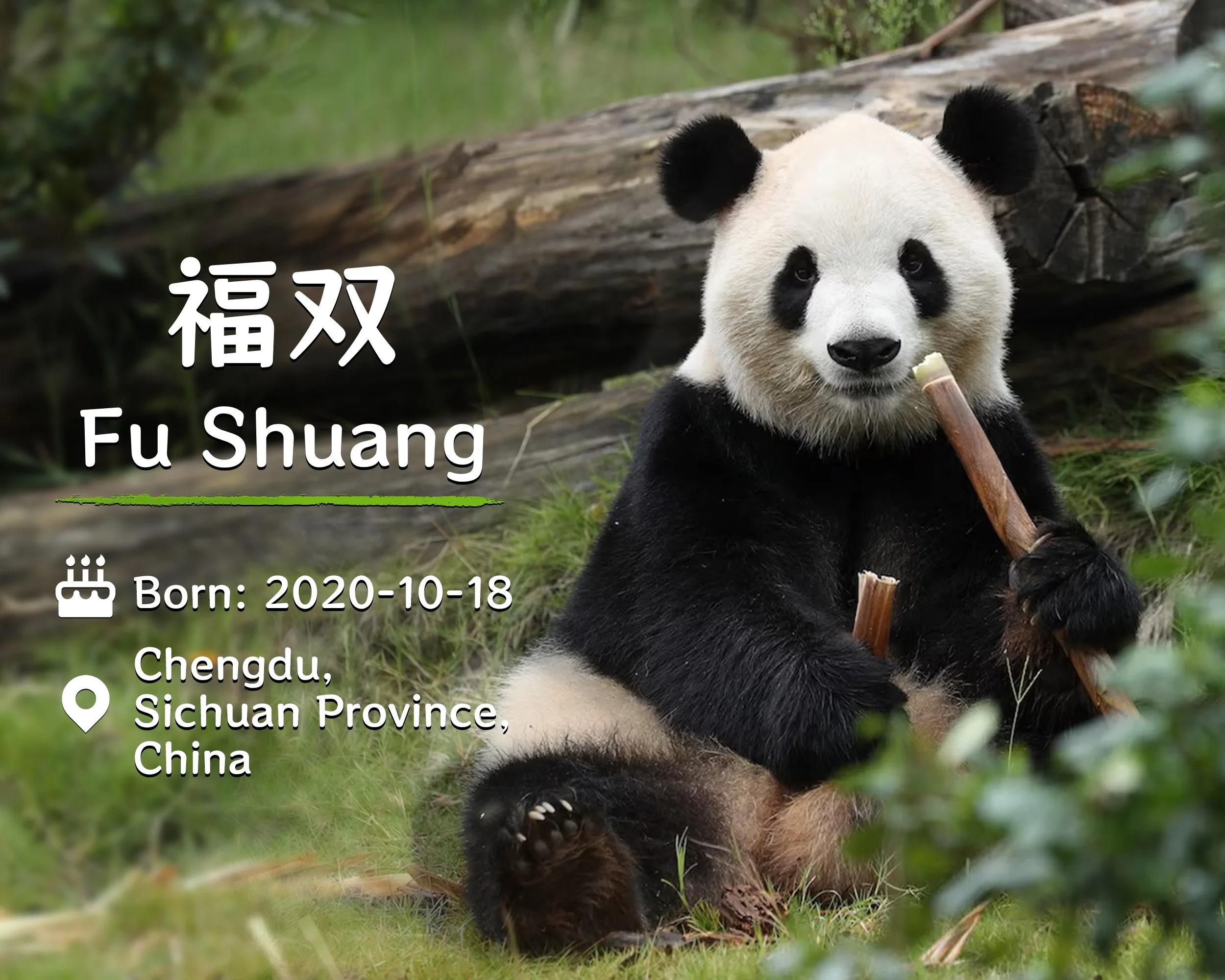
China’s giant pandas are back in Atlanta. Male Ping Ping and female Fu Shuang arrived at Hartsfield-Jackson International Airport on September 27, ending a two-year gap after Zoo Atlanta’s previous pandas returned to China.
The pair are in the US under a new 10-year agreement between Zoo Atlanta and the China Wildlife Conservation Association. They will remain in quarantine for about a month before they can be seen by the public.
China is sending 2 pandas to the US, but remember: Beijing holds a complete global monopoly on them! 🐼🇨🇳 They aren't gifts they are leased.
— Geo-Politics Affairs X (@Geo_PoliticsAX) September 24, 2026
China can recall them anytime during political tensions. Even cubs born abroad legally belong to China.
Pure Panda Diplomacy! https://t.co/JiFXYVZgBF pic.twitter.com/DVg9DOcfbz
Also Read | Starship is finally in orbit. Can it make Starlink cheaper too?
Panda-shaped footnote
Their arrival was announced by Chinese President Xi Jinping during his September 24 meeting with US President Donald Trump at the White House.
Xi described the giant panda as an “envoy of friendship” between Chinese and American people and said Ping Ping and Fu Shuang would soon come to their new home in Atlanta.
The announcement came during a high-profile US-China summit that covered broader economic and strategic issues, making the pandas one of the clearest symbolic gestures of goodwill during the visit.
CHINA'S PANDA GIFT IS ON ITS WAY 🐼
— Global South World (@g_s_world) September 27, 2026
Ping Ping and Fu Shuang have left Chengdu for their new home at Zoo Atlanta, where the two giant pandas will spend the next 10 years.
Their journey comes after Xi Jinping announced their imminent arrival during his US visit.
Atlanta has… pic.twitter.com/87WzLzn84u
Pandas found their place in diplomacy
This is what “panda diplomacy” means.
China has used the giant panda, an animal native to the country, as a diplomatic symbol for decades.
The modern US connection dates to 1972, when China gave two pandas, Ling-Ling and Hsing-Hsing, to the American people after President Richard Nixon’s historic visit to China.
They arrived at the Smithsonian’s National Zoo in Washington, where they quickly became symbols of the emerging relationship between the two countries.
The system later changed. From the 1980s, China moved away from permanently gifting pandas and increasingly used long-term loan agreements.
Under this model, pandas remain under Chinese ownership, while overseas zoos host them under formal cooperation arrangements.
Such agreements have generally involved long-term leases, annual fees, and the return of cubs born abroad to China.
The program also has a conservation dimension, with Chinese and foreign institutions collaborating on research, breeding, and panda management.
🐼 CHINA JUST FEDEX'D TWO PANDAS TO ATLANTA. NO, SERIOUSLY.
— Carolyn Barber, MD (@cbarbermd) September 27, 2026
Xi Jinping's "envoys of friendship" landed at Hartsfield-Jackson on an overnight cargo flight. Ping Ping and Fu Shuang, born 2020, here on a 10-YEAR loan. The US panda count just hit SIX.
Translation: the summit… pic.twitter.com/4vyZoKjYYO
Atlanta’s pandas return
Atlanta’s new pair fits into the established diplomatic system, but the symbolism has become more noticeable because of recent US-China tensions.
Zoo Atlanta returned four pandas to China in 2024 after a 25-year partnership. The new agreement, announced in April 2026, restores pandas to the zoo while continuing the research and conservation relationship with Chinese authorities.
The new loan was one of the outcomes of Xi’s latest US visit. Wider differences between Washington and Beijing remain unresolved.
Panda Diplomacy ❤️🐼🤝 pic.twitter.com/gkSDzfyW7e
— Sidney Malik (@thesidneyking) September 24, 2026
Soft power
Panda diplomacy works partly because the animals carry a powerful public appeal that conventional diplomatic language often lacks.
Their arrival can create positive attention, encourage cultural contact, and give governments a highly visible symbol of cooperation. At the same time, the practice can become politically sensitive.
Panda diplomacy can expose Beijing to public backlash when the animals become caught up in geopolitical disputes or welfare controversies.
In Atlanta, Ping Ping and Fu Shuang are once again serving as living symbols of a relationship that extends far beyond the zoo gates.
🇨🇳🇺🇸 Diplomacy sometimes arrives as a policy deal—and sometimes in a panda enclosure.
— Ahmad Shah Mohibi (@WarGuy_) September 26, 2026
Chinese President Xi Jinping said China will send two giant pandas to the United States after his White House visit.
The gesture is memorable, but it does not resolve the harder issues in…