Tag: Narendra Modi

  • PM Modi outlines 5 priorities for agriculture to achieve Viksit Bharat goal

    PM Modi outlines 5 priorities for agriculture to achieve Viksit Bharat goal

    Prime Minister Narendra Modi on Thursday said modernising agriculture and empowering farmers were essential to India’s ambition of becoming a developed nation. Addressing the Bharat Agriculture Conference organised by the India Today Group in New Delhi, he called for smarter farming practices and stronger support for the agricultural sector.

    “Building a developed India is simply not possible without modernising agriculture, making farming smarter, and further empowering farmers,” PM Modi said, underlining the importance of agricultural transformation in the country’s long-term development.

    The Prime Minister also highlighted the sector’s performance over the past decade, citing sustained growth, rising exports and India’s position among the world’s leading agricultural producers. His remarks placed modernising agriculture at the centre of the government’s broader development vision.
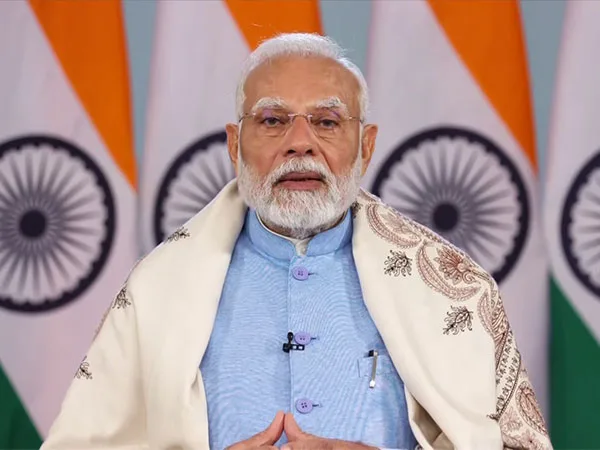
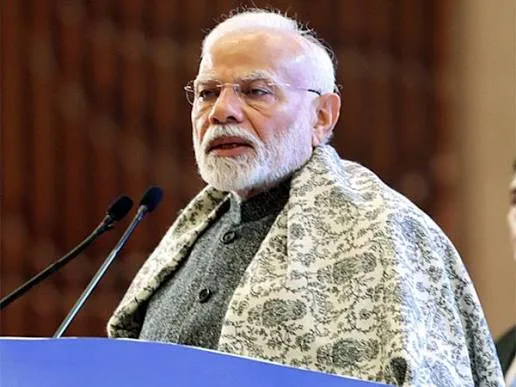
    Prime Minister Narendra Modi on Thursday said modernising agriculture and empowering farmers were essential to India's ambition of becoming a developed nation. (ANI)
    Prime Minister Narendra Modi on Thursday said modernising agriculture and empowering farmers were essential to India’s ambition of becoming a developed nation. (ANI)

    Modi highlights 4% agricultural growth over the past decade

    PM Modi said India’s agricultural growth rate had remained above 4% during the past decade. He described it as the first decade since Independence in which the country had recorded such a level of agricultural growth.

    The Prime Minister also linked improvements in rural living standards with the country’s broader economic progress. Referring to a World Bank study, he said around 50 crore people in India had overcome poverty over a period of 12 to 13 years.

    He particularly highlighted the reduction in poverty in rural areas, arguing that the achievements had not received sufficient attention in some public discussions.

    “During this same period, a large number of poor people in villages have overcome poverty. But unfortunately, those caught up in news angles and agendas have failed to notice this achievement of the country,” he said.

    The remarks came as the Prime Minister called for modernising agriculture to ensure that farmers benefit from India’s economic progress. He emphasised that stronger farming systems and greater empowerment of agricultural communities would be important to achieving the Viksit Bharat objective.

    Also Read | Oxford University returns 39 Naga ancestral remains after 100 years
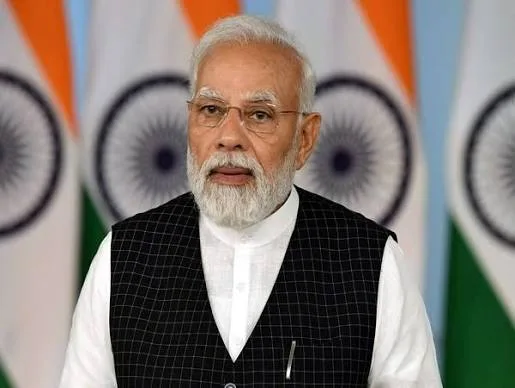
    PM Modi said India's agricultural growth rate had remained above 4% during the past decade. (ANI)
    PM Modi said India’s agricultural growth rate had remained above 4% during the past decade. (ANI)

    India exports agricultural products worth over Rs 4 lakh crore

    Highlighting the economic contribution of farming, PM Modi said India exports agricultural products worth more than Rs 4 lakh crore annually. He presented the figure as evidence of the sector’s growing importance in international trade.

    The Prime Minister also listed India’s leading positions in the production of several agricultural commodities. According to him, India is the world’s largest producer of milk, pulses, jute, rice and millets.

    He said India ranks second globally in wheat production, as well as in cotton, fruits and vegetables. The country also holds the second position in fish production, he added.

    PM Modi described these rankings as an indication of the potential of Indian farmers rather than merely statistics reflecting agricultural output.

    The export figures and production rankings formed a key part of his argument for modernising agriculture. Improving productivity, strengthening farming infrastructure and enabling farmers to participate more effectively in markets remain important areas in the broader effort to expand the sector’s contribution to the economy.

    Also Read | Delhi High Court seeks alternatives to demolition of unsafe buildings during GRAP curbs
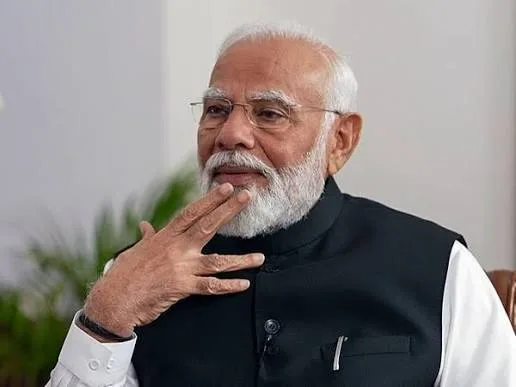
    Highlighting the economic contribution of farming, PM Modi said India exports agricultural products worth more than Rs 4 lakh crore annually. (ANI)
    Highlighting the economic contribution of farming, PM Modi said India exports agricultural products worth more than Rs 4 lakh crore annually. (ANI)

    Smarter farming and farmer empowerment central to Viksit Bharat

    The Prime Minister’s address focused on the need to move beyond agricultural output figures and strengthen the systems that support farmers. He argued that a developed India would require farming to become smarter and the agricultural community to receive greater opportunities and support.

    His emphasis on modernising agriculture also reflects the importance of making the sector more productive and economically resilient. With India maintaining a leading position in several agricultural commodities and exporting products worth over Rs 4 lakh crore annually, the sector has a significant role in the country’s economic ambitions.

    PM Modi’s remarks at the Bharat Agriculture Conference brought together three central themes: sustained agricultural growth, India’s global production position and the need to empower farmers.

    The Prime Minister maintained that the country’s development goals could not be separated from the progress of its agricultural sector. For the Viksit Bharat vision to become a reality, he said, farming must become more modern, efficient and capable of unlocking the full potential of Indian farmers.
  • Rahul Gandhi renews debate challenge as Amit Shah offers Parliament session

    Rahul Gandhi renews debate challenge as Amit Shah offers Parliament session

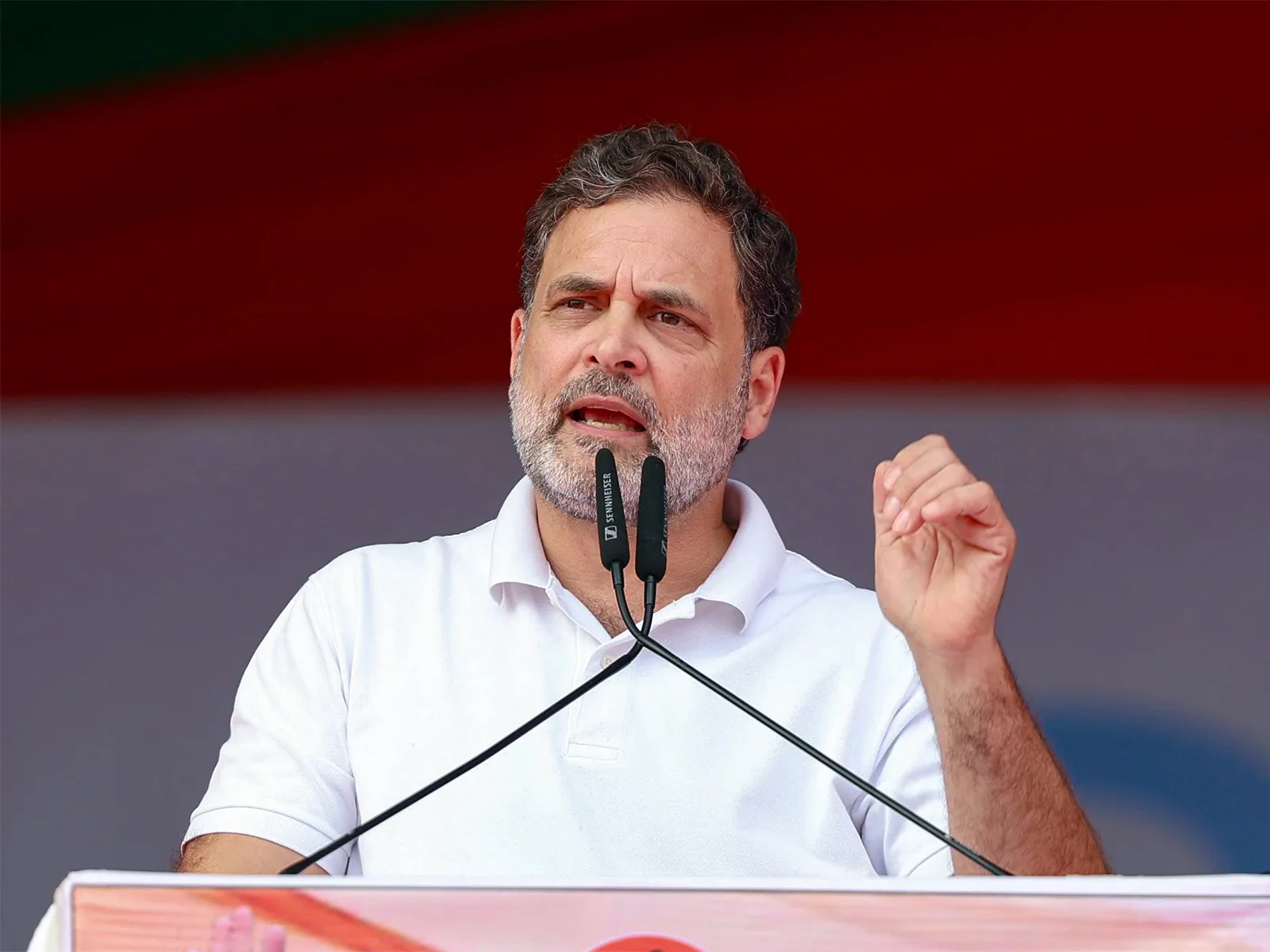
    Rahul Gandhi on Tuesday renewed his challenge to Prime Minister Narendra Modi for an open debate, saying 24 hours had passed since he first issued the invitation. The Leader of the Opposition in the Lok Sabha asked Modi to choose any venue and proposed that the discussion take place in front of the media and young people. Union Home Minister Amit Shah responded by reiterating that the government was ready to discuss all issues in Parliament, including the Special Intensive Revision (SIR) of electoral rolls, electronic voting machines (EVMs) and alleged infiltration.

    The exchange has widened the political confrontation between the Congress and the BJP, with both sides seeking to frame the terms of a public debate. While Gandhi wants a direct discussion with the Prime Minister on foreign influence and the country’s financial system, Shah has challenged him to participate in a parliamentary debate on issues raised by the Opposition.

    Rahul Gandhi on Tuesday renewed his challenge to Prime Minister Narendra Modi for an open debate, saying 24 hours had passed since he first issued the invitation. (ANI)
    Rahul Gandhi on Tuesday renewed his challenge to Prime Minister Narendra Modi for an open debate, saying 24 hours had passed since he first issued the invitation. (ANI)

    Rahul Gandhi’s debate challenge expands to foreign influence and financial issues

    In a video posted on X, Gandhi asked Modi to select the venue and time for an open debate. He suggested that anyone chosen by the Prime Minister, including RSS chief Mohan Bhagwat, could moderate the discussion.

    Rahul Gandhi said the debate should examine allegations concerning foreign influence over India’s political and financial systems. He also questioned how the India-US deal was negotiated, why it was finalised in a hurry and why, according to him, the Cabinet was not informed about the decision.

    The Congress leader further raised questions about the Gautam Adani case and Jeffrey Epstein, while referring to the defamation cases filed against him. He claimed that he faced around 45 such cases and said no defamation case had been filed over his remarks about foreign connections.

    Rahul Gandhi also launched a poll on X asking young Indians whether they wanted to see an open debate between him and Modi. He tagged Defence Minister Rajnath Singh, Union ministers Nitin Gadkari and Shivraj Singh Chouhan, and Uttar Pradesh Chief Minister Yogi Adityanath, urging them to persuade the Prime Minister to participate.

    Rahul Gandhi’s debate challenge followed his earlier remarks alleging that foreign entities had helped Modi become Prime Minister and continued to support him. Gandhi had issued the initial challenge after Modi’s October 31 address at the Statue of Unity, where the Prime Minister criticised forces he accused of trying to divide the country and damage its image.

    Also Read | BJP maps 3-tier Uttar Pradesh poll campaign with Modi, Shah at the helm

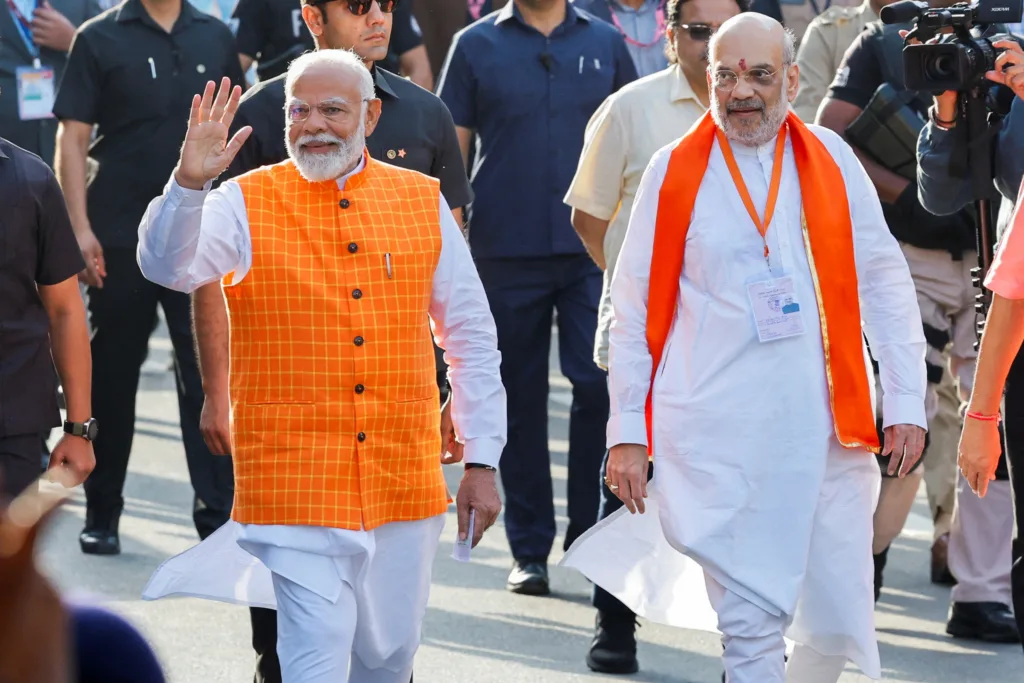
    Amit Shah said the government was prepared to discuss every issue in Parliament and specifically named EVMs, SIR and alleged illegal immigration. (ANI)
    Amit Shah said the government was prepared to discuss every issue in Parliament and specifically named EVMs, SIR and alleged illegal immigration. (ANI)

    Amit Shah offers special Parliament session on SIR and EVMs

    Amit Shah said the government was prepared to discuss every issue in Parliament and specifically named EVMs, SIR and alleged illegal immigration. Speaking at the concluding ceremony of Chhattisgarh Rajyotsav in Raipur, Shah said the government was willing to convene a special session for the discussion.

    The Home Minister also accused the Congress of supporting Naxalism and alleged that Gandhi had backed the concept of a Janatana Sarkar, or people’s government, associated with Maoist groups.

    Shah had earlier issued the parliamentary debate challenge during the BJP’s ‘Save Democracy, Remove Anarchy’ march in Hyderabad. He accused Gandhi of preventing Parliament from functioning and said the government was ready to hold discussions on the issues raised by the Opposition.

    BJP MP Nishikant Dubey also responded to Gandhi’s invitation, saying he was willing to debate the Congress leader at the party office on documents, issues and alleged links with foreign powers. Parliamentary Affairs Minister Kiren Rijiju, meanwhile, criticised Gandhi’s remarks, accusing him of advancing the interests of India’s enemies. Rijiju also questioned the suitability of the proposed debate.

    Also Read | Supreme Court turns down the urgent airfare plea, saying, ‘Don’t travel by air’

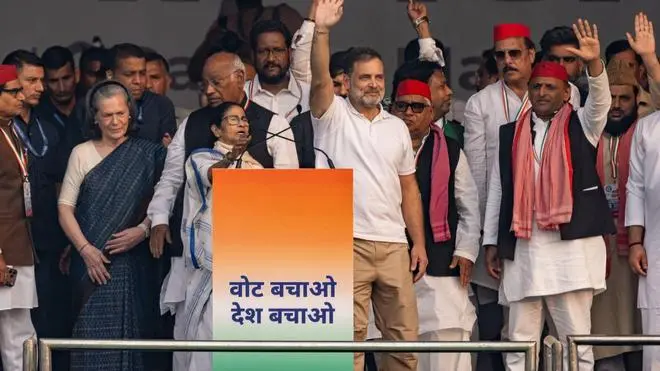
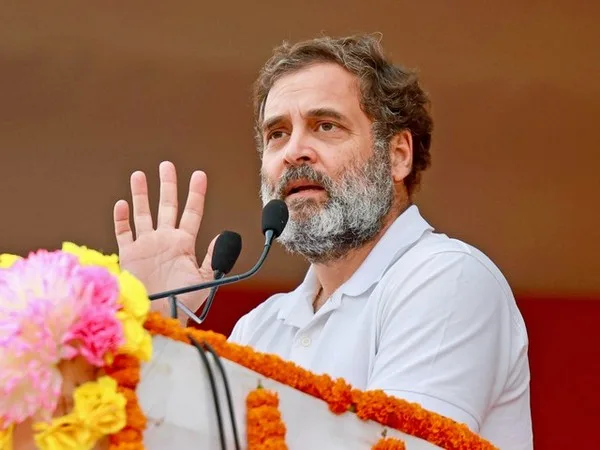
    Rahul Gandhi's debate challenge comes days after the INDIA bloc held its 'Vote Bachao, Desh Bachao' rally at Delhi's Ramlila Maidan on November 1. (ANI)
    Rahul Gandhi’s debate challenge comes days after the INDIA bloc held its ‘Vote Bachao, Desh Bachao’ rally at Delhi’s Ramlila Maidan on November 1. (ANI)

    Congress-BJP exchange follows INDIA bloc’s Vote Bachao rally

    Rahul Gandhi’s debate challenge comes days after the INDIA bloc held its ‘Vote Bachao, Desh Bachao’ rally at Delhi’s Ramlila Maidan on November 1. Opposition leaders accused the Election Commission of facilitating large-scale voter deletions through the SIR exercise and demanded the removal of Chief Election Commissioner Gyanesh Kumar.

    On October 15, the Supreme Court had sought responses from the Election Commission and other respondents on a petition filed by Gandhi and 12 Opposition leaders concerning alleged voter deletions and irregularities in the SIR process.

    The competing invitations for a debate have therefore brought two different sets of issues into the political spotlight. Gandhi has called for a direct exchange with Modi on foreign influence, economic matters and allegations involving public institutions. Shah, on the other hand, has proposed a parliamentary discussion on electoral rolls, EVMs and infiltration.

    As of Tuesday, neither side had announced an agreed date or format for the proposed debate. The government has expressed its willingness to convene a special Parliament session, while Rahul Gandhi continues to seek an open discussion with the Prime Minister at a venue of Modi’s choice.