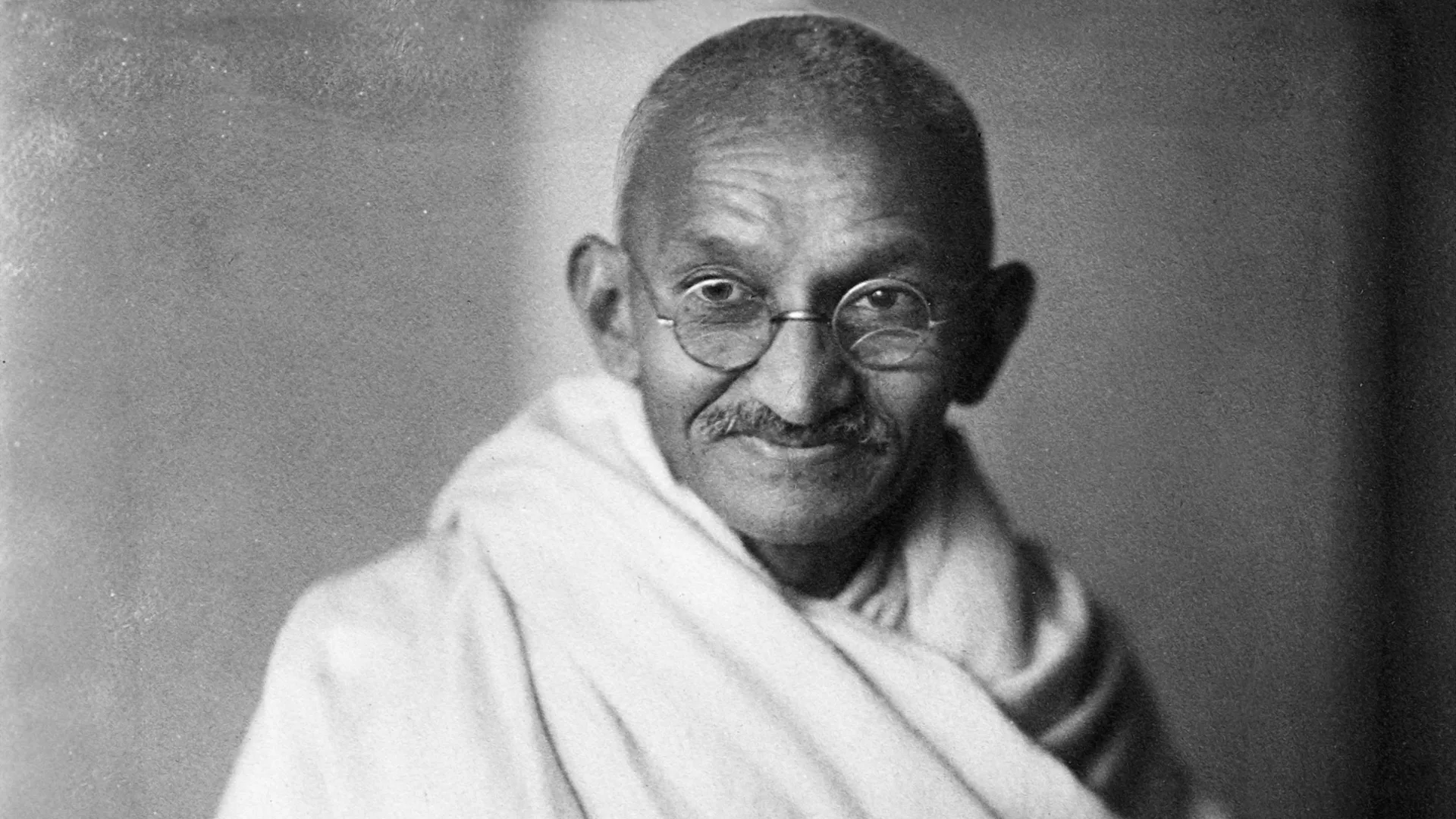
Gandhi Jayanti 2026: October 2 marks the birth anniversary of Mahatma Gandhi, widely remembered as Bapu. While his role in India’s freedom movement is well known, several episodes from his early life, studies and personal experiments offer a different glimpse into the man behind the public figure.
Gandhi once wanted to be an English gentleman
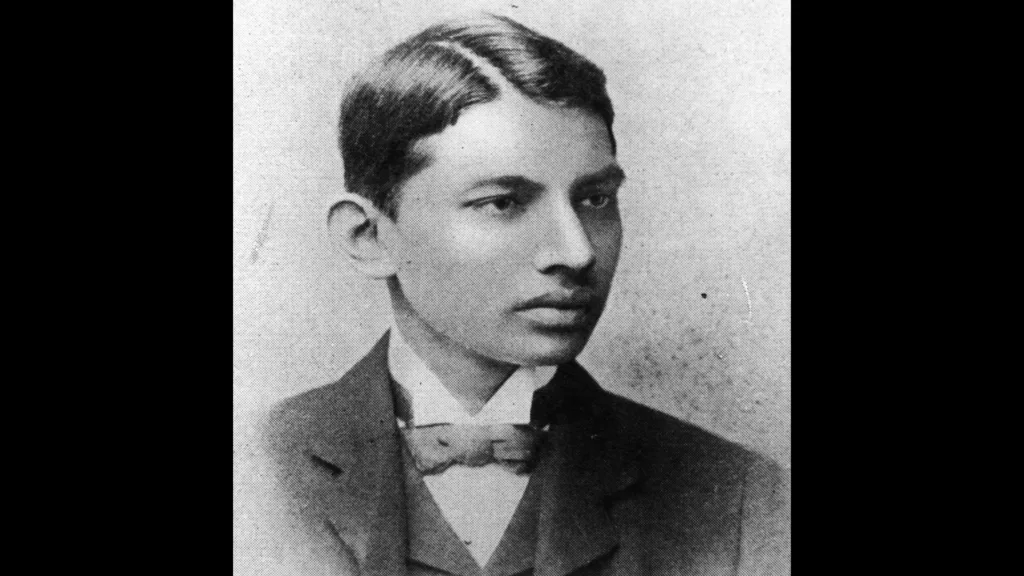
Before embracing a life of simplicity, Gandhi was drawn to English culture. After travelling to London in 1888 to study law, he tried to fit into the image of an English gentleman. He bought fashionable clothes, took dancing and violin lessons and even attended elocution classes. He eventually gave up these pursuits after realising they were taking time away from his studies and affecting his finances.
A book deepened his belief in vegetarianism
Gandhi grew up in a vegetarian household, but his stay in London gave him a stronger personal connection with the practice. Henry S. Salt’s A Plea for Vegetarianism influenced his thinking and helped turn vegetarianism into a conscious ethical choice. He later became involved with the London Vegetarian Society and contributed to its publication.
Also Read | What are the flashpoints behind India’s growing debate over political legitimacy?
Gandhi explored different religious traditions
His search for spiritual understanding crossed religious boundaries. In England, Gandhi read the Bhagavad Gita in English, Edwin Arnold’s The Light of Asia and the Bible. His exploration continued in South Africa, where he also engaged with the Quran and writings by Leo Tolstoy. These encounters shaped his thinking about truth, morality and non-violence.
South Africa became a turning point
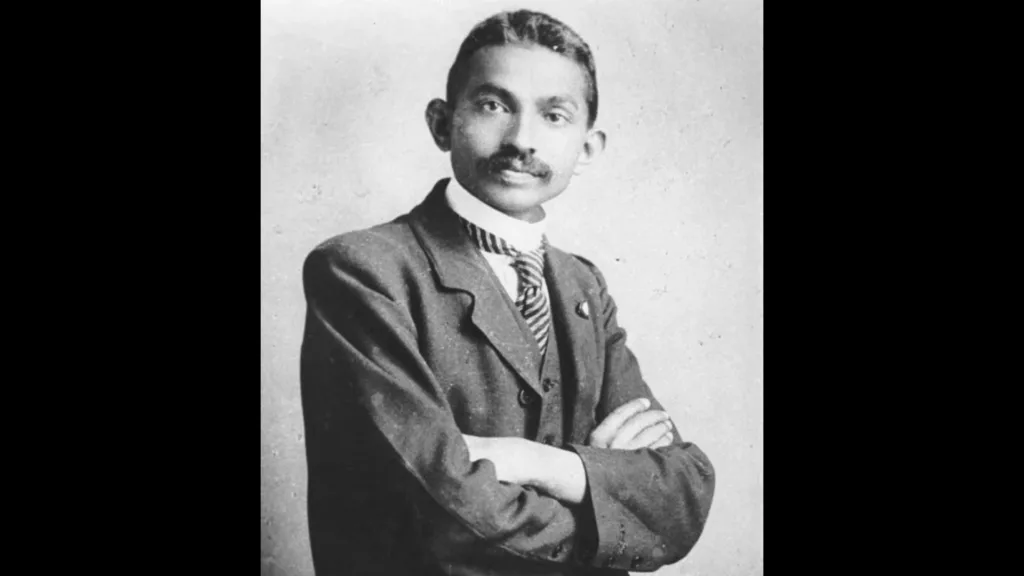
Gandhi went to South Africa in 1893 for legal work. His experiences with racial discrimination changed the direction of his life. After being removed from a train at Pietermaritzburg, he became increasingly involved in challenging injustice. In 1894, he helped establish the Natal Indian Congress, beginning a significant phase of his political activism.
Also Read | Foral de Goa 1526, the charter behind Goa’s land legacy: Know all about 500 years of history
His autobiography focused on self-examination
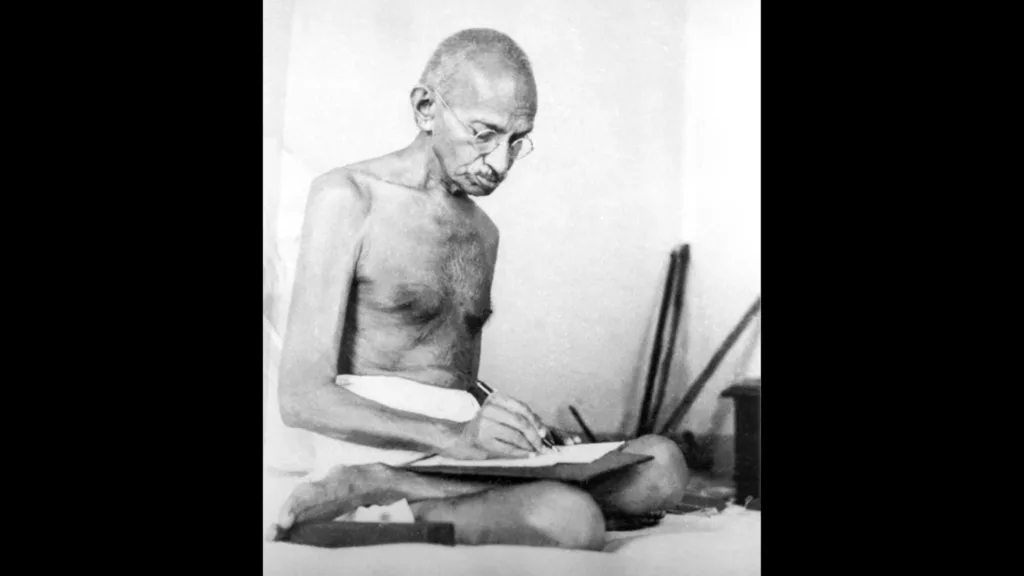
The Story of My Experiments with Truth was not simply an account of Gandhi’s public life. Originally written in Gujarati and serialised in Navajivan from 1925 to 1929, it records his struggles and reflections on marriage, food, religion, education and self-discipline.
October 2 is the International Day of Non-Violence
Gandhi Jayanti also has international significance. In 2007, the United Nations General Assembly designated October 2 as the International Day of Non-Violence, highlighting non-violence through education and public awareness.