Tag: India

  • What actually is the ‘virtue of higher seeding’? Here is how it helped India reach the semis of Asian Games

    What actually is the ‘virtue of higher seeding’? Here is how it helped India reach the semis of Asian Games

    India secured a place in the men’s cricket semi-finals at the 2026 Asian Games after their quarter-final against Afghanistan was abandoned due to rain in Nisshin, Japan. No ball was bowled in the match, but the washout did not prevent India from progressing to the next stage.

    The Asian Games cricket rules provide an advantage to the higher-seeded team when a knockout fixture cannot produce a result. Since India entered the quarter-finals as a higher seed, they advanced to the semi-finals after the match was called off.

    What Is The ‘Virtue Of Higher Seeding’?

    The phrase “virtue of higher seeding” refers to the advantage given to a team that has been placed higher in the tournament’s seeding system.

    Also Read | 4 injured as chutney dispute sparks street brawl in Hapur market

    In a knockout match, both teams normally need a result to determine who moves forward. However, when weather conditions make a game impossible, the competition regulations can provide a route for the higher-seeded side to progress.

    That is what happened in the India vs Afghanistan quarter-final. Persistent rain meant the fixture could not begin, with no toss or delivery taking place. As there was no result on the field, India’s higher seeding became decisive.

    The progression was therefore not based on runs scored, wickets taken or a Duckworth-Lewis-Stern calculation. Instead, the tournament’s no-result provision allowed the higher-seeded team to move into the semi-finals.

    Why Did India Have Higher Seeding?

    India’s position in the knockout stage was linked to the format of the Asian Games men’s cricket competition. As the defending champions, India were among the four teams that received direct entry into the quarter-finals.
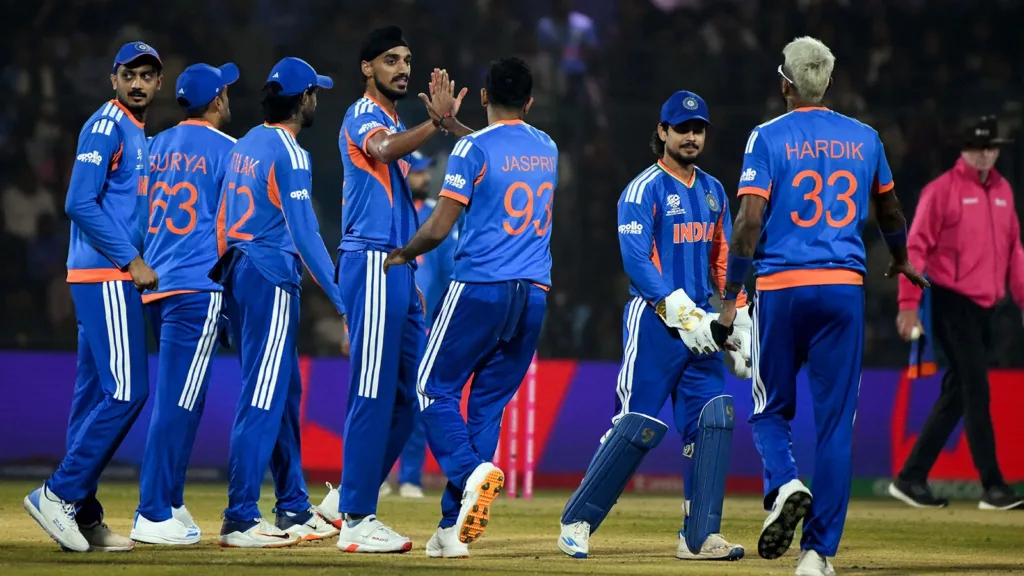
    India men cricket team
    India men cricket team. Credit: X/ANI

    India, Pakistan, Sri Lanka and Bangladesh were given byes into the last eight. Afghanistan, Japan and Nepal, meanwhile, had to compete in the preliminary stage for their places in the quarter-finals. This meant Afghanistan had to play their way into the knockout round, while India entered directly at the quarter-final stage.

    Also Read | 3-day bank strike deferred as panel takes up 5-day week demand

    India vs Afghanistan T20 Rankings

    India’s position at the top of the ICC Men’s T20I rankings also underlines the difference in the teams’ international standing.

    India are ranked No. 1 in men’s T20Is with a rating of 269, while Afghanistan are ranked No. 10 with a rating of 218.
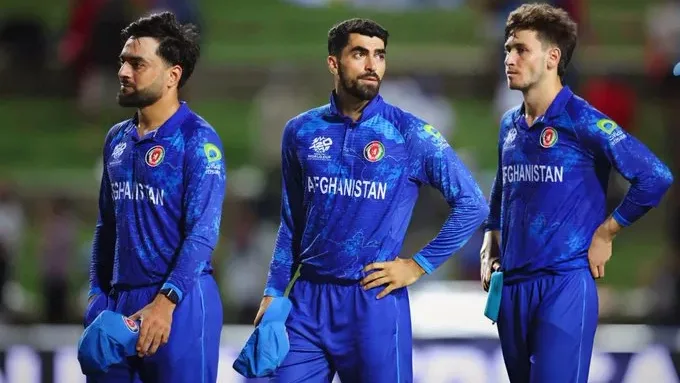
    Afghanistan T20I players
    Afghanistan T20I players. Credit: X/ANI

    However, the quarter-final was decided by the Asian Games’ competition regulations rather than simply by the ICC rankings. The tournament’s seeding and format determined India’s advantage when the match was washed out.

    India also arrived at the Asian Games as the reigning T20 World Cup champions and defending Asian Games men’s cricket champions.

    Rain Ends Afghanistan’s Campaign

    The India-Afghanistan quarter-final was eventually abandoned without a ball being bowled after rain made play impossible.

    The outcome allowed India to continue their campaign without taking the field, while Afghanistan’s hopes of winning the men’s cricket gold medal came to an end.

    The situation also echoed the previous Asian Games. India’s gold-medal match against Afghanistan at the 2022 Asian Games was affected by rain, with India winning the title by virtue of their higher seeding.

    This time, the same tournament principle again came into play, sending India into the semi-finals despite the quarter-final never getting underway.


  • Student suicides in India: The growing impact of academic pressure

    Student suicides in India: The growing impact of academic pressure

    Student suicides in India continue to raise serious questions about academic pressure, mental health and the expectations placed on young people. A recent death by suicide at IIT Bombay has once again brought attention to a problem that extends well beyond a single institution or an individual case.

    The circumstances surrounding the IIT Bombay student’s death remain under investigation, and conclusions should not be drawn from incomplete accounts of the student’s final hours. However, the incident has also highlighted the wider concern surrounding youth suicides and the pressures faced by students in high-achieving academic environments.

    Student suicides are a wider concern

    Student suicides are not unique to India. Universities in the United States and other countries have also faced similar tragedies. Among full-time US college students aged 18 to 22, around 11% to 15% have reported serious thoughts of suicide during the previous year, depending on the survey.

    Research from the US has also found higher levels of anxiety, depression and other mental health problems among students in high-achieving environments compared with national norms. While much of the available research comes from the US, the underlying pressures faced by young people can also be relevant to students in India.

    Data from India’s National Crime Records Bureau showed 14,488 suicides among people categorised as students in 2024. Students accounted for 8.5% of all reported suicides that year. A nationally representative mortality study covering the period from 2001 to 2019 found that 44% of all suicides occurred among people aged 15 to 29. Among women, the proportion was 56%.

    Academic pressure can affect mental health

    The reasons behind suicide are often complicated and cannot always be understood through a single factor. Family conflict, relationships, social isolation, mental illness, academic stress and financial uncertainty can overlap in ways that are difficult to identify after a death.

    Academic pressure and stress affect mental health of students
    Academic pressure and stress affect mental health of students | Representational Image

    Examination results can become particularly difficult for young people when marks are treated as a measure of intelligence, personal worth or future prospects.

    A review combining findings from 52 studies across several countries found that most of the studies reported a relationship between academic pressure or the timing of the school year and at least one negative mental health outcome. These included anxiety, depression and suicidal ideation.

    The pressure can be especially intense in institutions where students are expected to maintain exceptionally high academic standards. A poor examination result may then feel less like a temporary setback and more like a threat to a student’s entire future.

    Building resilience before failure

    The discussion around student suicides also raises questions about how young people are prepared to deal with failure. Resilience can be developed before students encounter their first major academic setback. When children grow up believing that a very high mark represents success while anything lower amounts to failure, their understanding of achievement can become narrowly tied to examination performance.

    Also Read | Healthy office snacks: 8 foods to eat when hunger hits at 4pm

    Effective parenting can help build resilience
    Effective parenting can help build resilience | Representational Image

    Parents can play an important role in changing that approach. Instead of repeatedly asking, “What rank did you get?”, greater emphasis can be placed on the question, “What did you learn?”

    Academic performance early in life does not necessarily determine eventual professional success. Changing direction, repeating a year, moving to another college, failing an examination or choosing a different career can all become part of a person’s longer journey.

    Why does connectedness matter?

    Counselling services at universities can provide support, but they cannot address every problem on their own. Students may hesitate to seek help if they believe that asking for support is a sign of weakness.

    Also Read | Highly sensitive in relationships? 6 ways to feel safer and more secure

    Another important factor is connectedness. Research has found that students who feel they belong to their school or university, believe that adults care about them and have people they can approach for help face a lower risk of suicidal thoughts and behaviour. Creating a stronger sense of belonging can therefore form an important part of efforts to support students.

    Education must prepare students for life

    The death of a student should not be reduced to a statistic or used simply as an example in debates over examinations, caste or technology such as ChatGPT. The wider issue of youth suicides is far larger than any one case.

    The purpose of education extends beyond helping young people perform well in examinations. It also involves preparing them for setbacks, failures and unexpected changes. For students, learning how to cope when plans go wrong can be as important as learning how to succeed when everything goes right.

  • India Space Force: Why India may need a separate space command? 

    India Space Force: Why India may need a separate space command? 

    Space has been part of military planning since the early years of the Space Age, but its role in warfare is changing rapidly. India could eventually need a dedicated Space Force as space-based intelligence, communication and navigation become increasingly important to military operations.

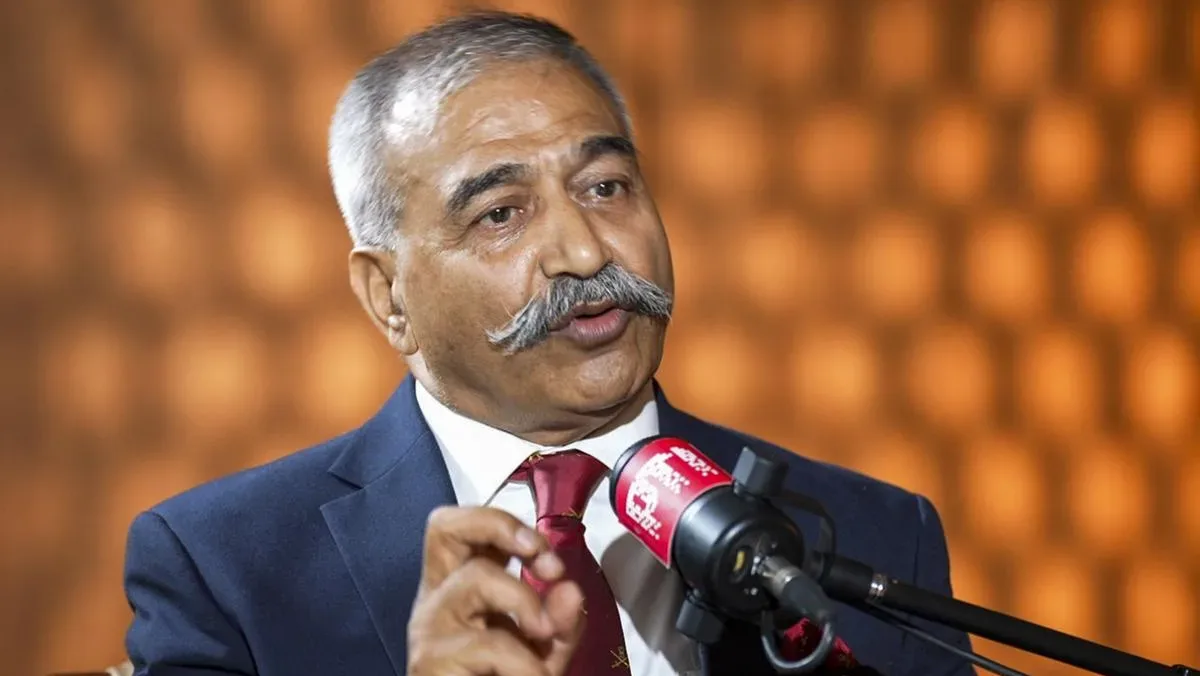
    Lieutenant General (Retired) Anil Kumar Bhatt, Director General of the Indian Space Association, said the growing importance of space means India will eventually have to strengthen its military structure beyond the existing Defence Space Agency (DSA). However, Bhatt cautioned against the idea that large-scale space warfare, as often portrayed in popular culture, is already around the corner.

    “Combat has slowly started creeping in, but the kind of space wars people often imagine, such as satellites attacking one another or humans fighting on the Moon or Mars, remain some distance away,” Bhatt said.

    From Spy Satellites to Modern Space Warfare

    The military use of space predates the launch of Sputnik. American researchers were examining the use of space for reconnaissance as early as 1946. That work eventually contributed to the Corona programme, with the US launching its first spy satellite in 1960.

    The satellite generated more imagery of the Soviet Union during a single mission than previous spy-plane operations had produced collectively. Within a decade, satellites had become America’s primary surveillance tools from orbit.

    India's Defence Space Agency
    India’s Defence Space Agency. Credit: X/ANI

    Space has since supported intelligence, surveillance and reconnaissance, communications and navigation. The emerging shift, however, is towards the weaponisation of the domain. Bhatt believes India’s DSA should eventually evolve into a Space Command and, later, a Space Force.

    “Setting up the DSA was the starting point. The way things are developing, it will have to evolve into a Space Command and eventually into a Space Force. But it must remain a triservices agency. The Air Force has pushed for one ‘Aerospace Force’ that absorbs the Space Force’s or DSA’s role but it is my personal belief that things are very different on the two sides of the Karman Line, and the domain above that line must be with a separate triservices organisation,” said Bhatt.

    India’s Defence Space Approach Has Changed

    India’s approach to military space capabilities has undergone a significant change in recent years. The Defence Space Agency was established in 2019, marking an important step towards coordinating the country’s space-related defence capabilities. Bhatt said the relationship between India’s armed forces and the private space and defence industry has also changed.

    Also Read | India asks Pakistan to back anti-terror claims with action as tensions rise

    “Five years back, the armed forces would never talk to anybody —any civilian, a startup or a private company— about anything to do with space. But today? Seventy-five defence challenges have been defined for start-ups to know and build what the armed forces require for the future,” said Bhatt.

    Frequent discussions between the military and industry have helped narrow the gap between what companies develop and what the armed forces require.

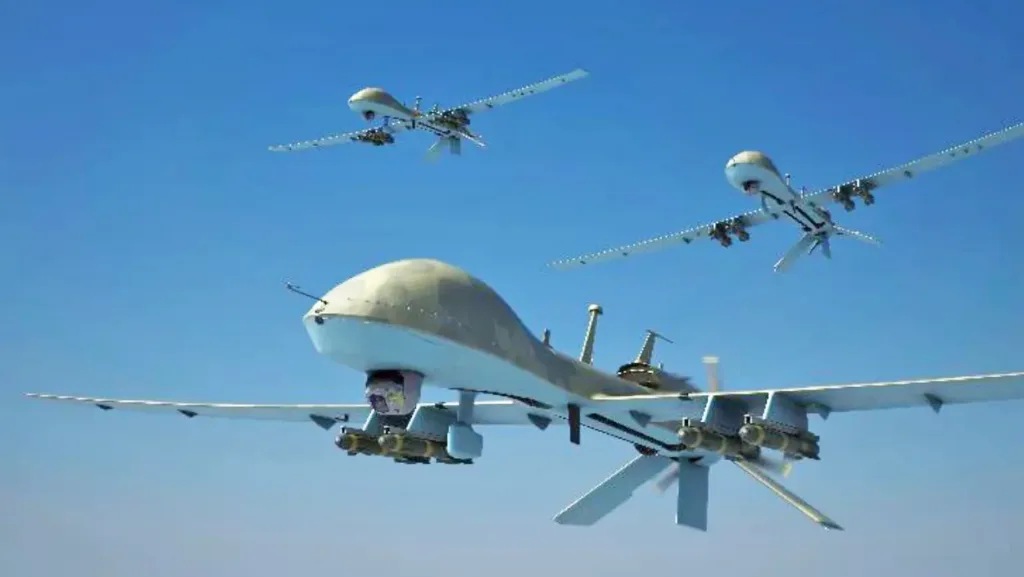
    Drones in Indian Defence Space Agency
    Drones in Indian Defence Space Agency. Credit: X/Ministry of Defence, Govt of India

    Minimum Orders for Defence Start-Ups

    Despite closer cooperation, defence start-ups continue to face challenges when developing products specifically for military use. Without assured orders, companies can find it difficult to sustain projects after developing prototypes. The Indian Space Association has therefore pushed for a minimum-order mechanism under defence challenges.

    “In defence challenges, the MoD has introduced something called a ‘minimum order quantity’. The idea is this: if a prototype is being made, money is being given by the government or the start-up is putting in the money, the exercise does not make sense if the prototype is not bought by anybody. It is a loss. So, we have pushed for a process where the government must buy at least a minimum number of units developed under a challenge, so as to keep the manufacturing feasible,” said Bhatt.

    Also Read | What is ERONET? The ECI software at the centre of the SIR row

    Space Could Become a Future Theatre of Conflict

    Recent conflicts have highlighted how important space-based capabilities can be on the battlefield. Operation Sindoor provided India with a direct experience of the role played by space-based intelligence, while the Russia-Ukraine war demonstrated the military value of commercial space assets.

    Bhatt believes future conflicts could involve attacks against space infrastructure itself, rather than space simply supporting operations on Earth.

    “Conflict in space could not be just about satellites shooting each other. It could begin in the form of cyberattacks on satellites and jamming of sensors by electronic means or destruction by laser/DEW. It is a matter of time.”

    Why India Needs a Triservices Space Structure? 

    According to Bhatt, space capabilities would have to be integrated into military planning at every level if India moves towards a more integrated theatre command structure.

    A future Space Force, he said, would provide intelligence, surveillance and reconnaissance, communications and navigation support across different theatres rather than serving one individual service.

    “A theatre will not only have the Army, Navy, or the Air Force, but will also have space. That means the same assets can be shared by many theatres. That would mean that DSA personnel would be critical for every theatre as they would be running the ISR, communication, navigation, etc, and advising the commanders. And that is why it must remain a triservices organisation instead of being led by any one service,” said Bhatt.

    India’s Defence Space Agency is therefore likely to remain central to the country’s evolving military space strategy as the role of space expands from support for operations on Earth towards becoming a potential theatre of conflict itself.

  • India Independence Day 2026: Wishes, greetings and messages to share on August 15

    India Independence Day 2026: Wishes, greetings and messages to share on August 15

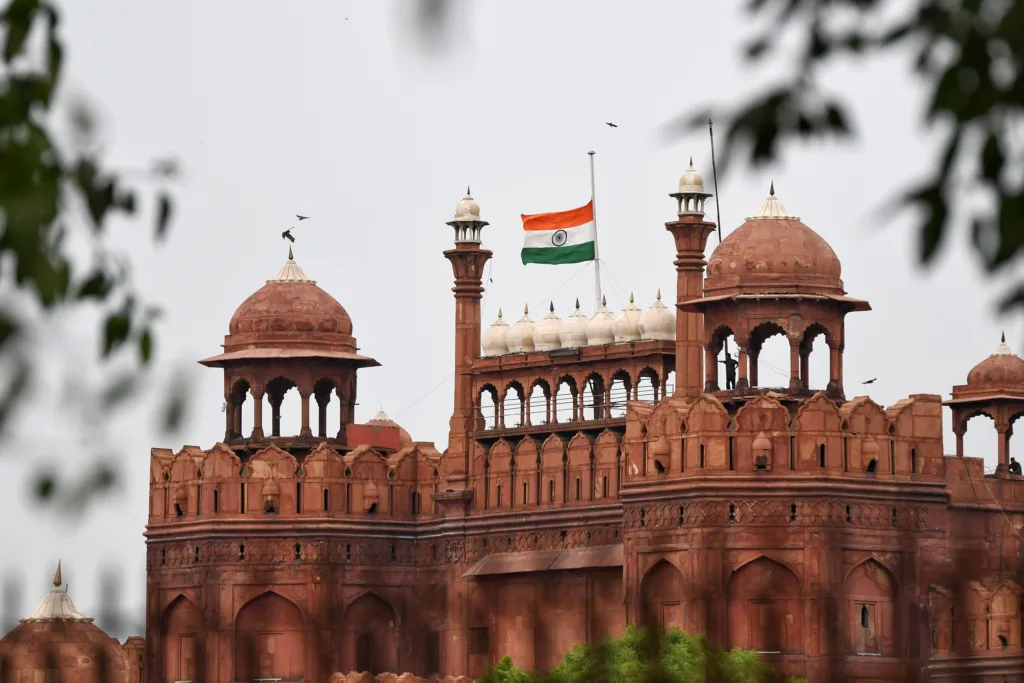
    India celebrates its 80th Independence Day today, on August 15, 2026, commemorating 79 years since the country attained freedom from British rule in 1947. The national occasion, observed every year with flag-hoisting ceremonies, cultural programmes, patriotic events, and public gatherings, is also a moment for citizens to reflect on the long and arduous journey that transformed India from a colonial possession into a sovereign democratic republic.

    Independence Day carries a significance that extends well beyond the ceremonial unfurling of the Tricolour. It recalls the generations of freedom fighters who challenged colonial authority through constitutional politics, mass movements, revolutionary action, social reform and acts of extraordinary personal sacrifice. From Mahatma Gandhi’s mass mobilisation and Jawaharlal Nehru’s political leadership to Subhas Chandra Bose’s uncompromising nationalism and the countless lesser-known men and women who participated in the freedom struggle, India’s independence was the culmination of a movement whose social breadth remains difficult to fully capture.

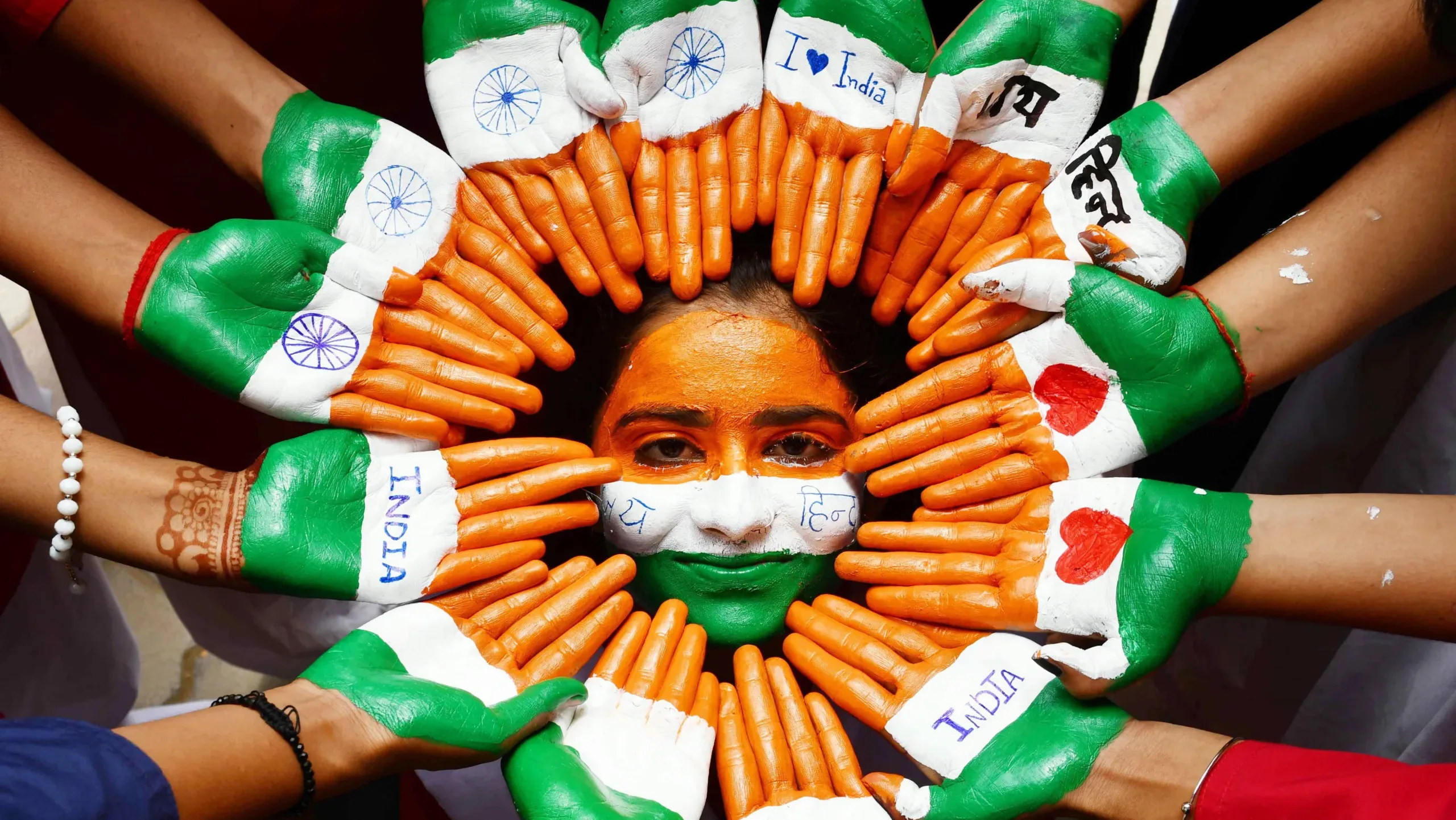
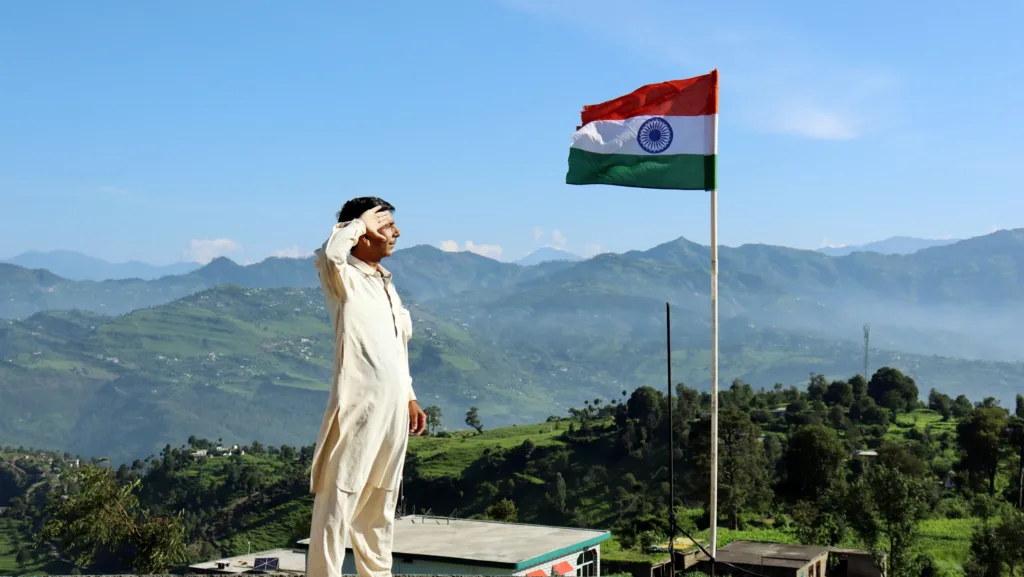
    India marks its 80th Independence Day in 2026 after completing 79 years of freedom
    India marks its 80th Independence Day in 2026 after completing 79 years of freedom | ANI

    The occasion is consequently marked by messages of patriotism, fraternity, constitutional values and national unity, with families, institutions, schools, workplaces and community organisations exchanging Independence Day greetings and organising programmes to commemorate the historic date.

    Also Read | How many years of Independence does India complete in 2026?

    Independence Day 2026 wishes

    For those looking for messages to share with family, friends, colleagues or on social media, a simple and meaningful greeting can carry the spirit of the occasion.

    Also Read | The Unfinished Awakening: Bengal, Freedom and India’s Tryst with Destiny at 80

    “Happy Independence Day 2026! May we always cherish the freedom won through the sacrifices of those who came before us and work together to build an India that is more prosperous, inclusive and resilient.”

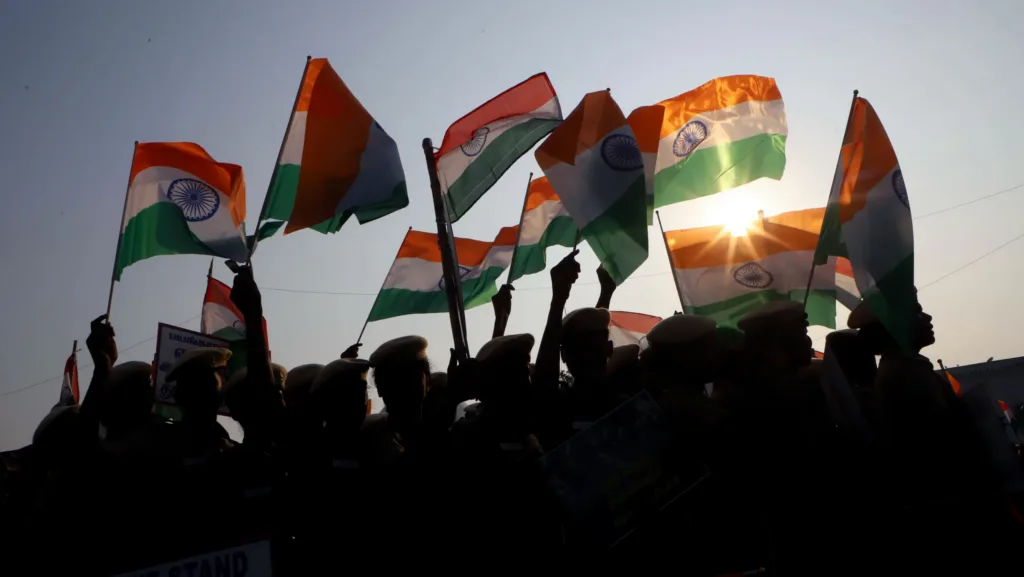
    India Independence Day 2026: Best wishes, greetings and messages to celebrate August 15.
    India Independence Day 2026: Best wishes, greetings and messages to celebrate August 15 | ANI

    Another message could read:

    “On this Independence Day, let us honour the courage of our freedom fighters and celebrate the remarkable journey of India. May our nation continue to rise with unity, confidence and hope. Happy 80th Independence Day!”

    For a more formal greeting:

    “Warm wishes on the 80th Independence Day of India. May this historic occasion inspire us to uphold the values of liberty, democracy, equality and fraternity, while contributing to the nation’s continued progress.”

    For social media, a shorter message may be more appropriate:

    “79 years of freedom, 80th Independence Day, and a future still being written. Jai Hind.”

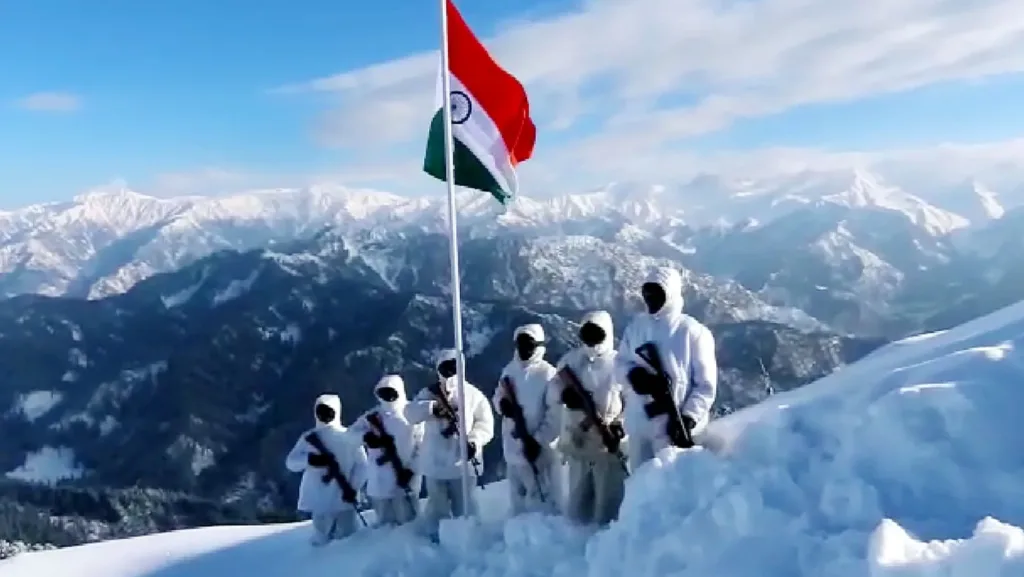
    15 August 2026: Best Independence Day wishes, greetings, quotes and messages to share.
    15 August 2026: Best Independence Day wishes, greetings, quotes and messages to share | ANI

    Why is Independence Day 2026 significant?

    The 2026 celebration comes at an important point in India’s journey towards 2047, when the country will mark 100 years of independence. The intervening two decades are increasingly being viewed through the prism of the national ambition of building a Viksit Bharat, or developed India, by the centenary of independence.

    That makes the 80th Independence Day more than an anniversary. It is a point of reflection between the India that emerged from colonial rule in 1947 and the India that seeks to emerge as a developed, technologically capable and globally influential nation by 2047.

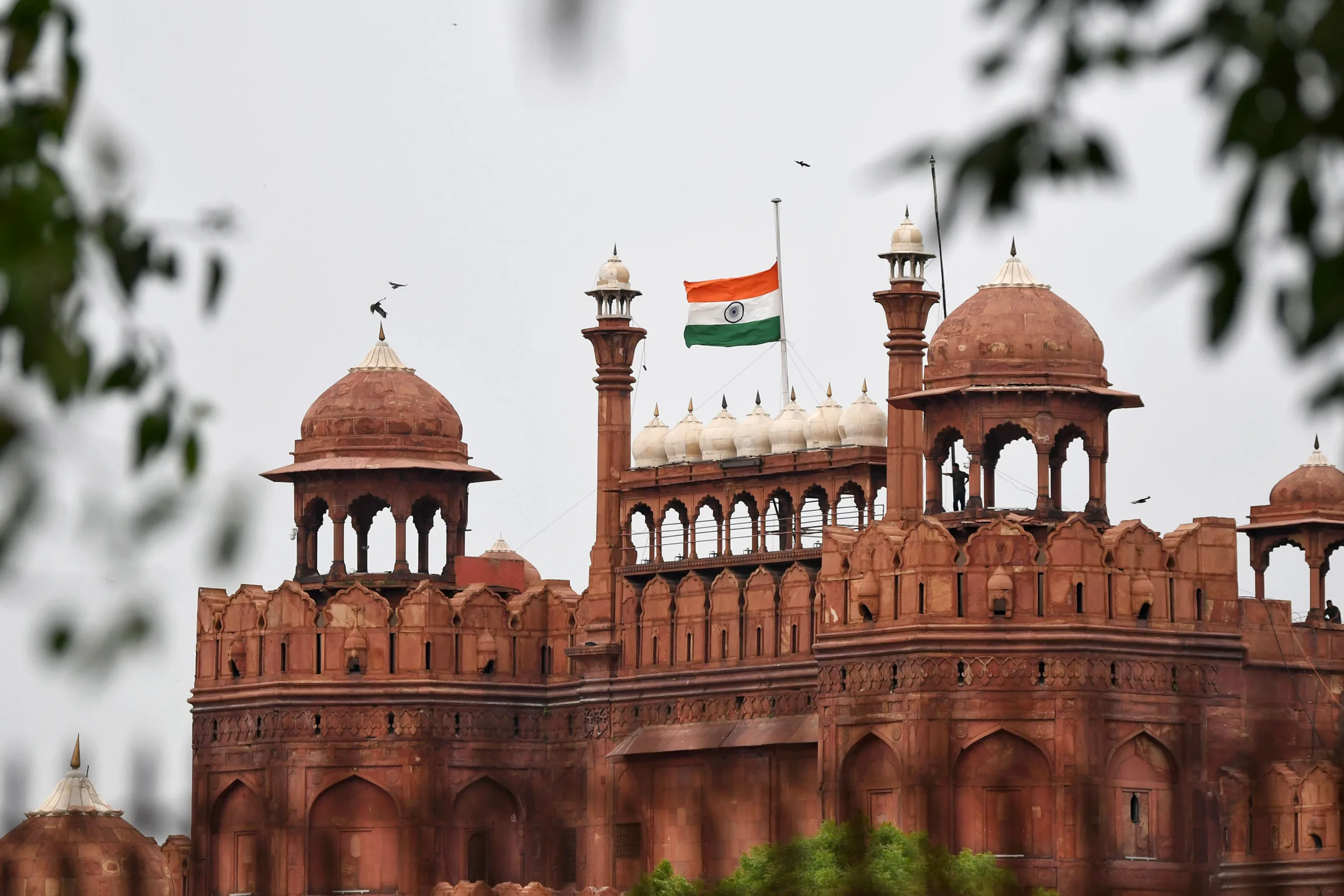
    India Independence Day 2026: Celebrate 79 years of freedom with heartfelt wishes and greetings.
    India Independence Day 2026: Celebrate 79 years of freedom with heartfelt wishes and greetings | ANI

    The story of independence, after all, did not conclude with the lowering of the Union Jack in 1947. It entered a different chapter. The responsibility of subsequent generations has been to translate political freedom into opportunity, education, economic security, dignity and social mobility.

    As the Tricolour rises on August 15, 2026, the most meaningful tribute may therefore be neither a slogan nor a ceremonial gesture, but a renewed commitment to the democratic and constitutional ideals that give independence its enduring meaning.

  • How many years of Independence does India complete in 2026?

    How many years of Independence does India complete in 2026?

    India completes 79 years of independence in 2026 and celebrates its 80th Independence Day on August 15. The distinction often causes confusion because the number of completed years and the ordinal number of the Independence Day are not the same.

    India became independent from British rule on August 15, 1947. Therefore, by August 15, 2026, exactly 79 years will have elapsed since that historic transfer of power. The country will consequently enter its 80th year of independence, while the national celebration itself will be the 80th Independence Day.

    Also Read | The Unfinished Awakening: Bengal, Freedom and India’s Tryst with Destiny at 80

    The arithmetic is straightforward: 2026 minus 1947 equals 79. However, because August 15, 1947, was the first Independence Day, August 15, 1948, was the second, and so on, August 15, 2026, becomes the 80th such observance. The Government of India referred to August 15, 2025, as the 79th Independence Day, thereby establishing the corresponding numbering for 2026.

    India turns 79 years independent in 2026 as it celebrates its 80th Independence Day, marking a historic step towards 2047.
    India turns 79 years independent in 2026 as it celebrates its 80th Independence Day, marking a historic step towards 2047 | ANI

    The distinction becomes particularly relevant this year because the 80th Independence Day places India only 21 years away from the centenary of independence in 2047. The approaching milestone has acquired significance alongside the national aspiration of building a Viksit Bharat by the centenary year.

    India’s journey since 1947 has encompassed some of the most consequential transformations in its modern history. The country inherited a deeply impoverished economy, widespread illiteracy, limited industrial capacity and the immense human consequences of Partition. It subsequently established a constitutional democracy, built institutions, expanded education and infrastructure, developed an industrial and technological base, and emerged as one of the world’s major economies.

    Also Read | Onam Sadya: Why is the traditional feast served on a banana leaf?

    Yet Independence Day is ultimately less about arithmetic than about inheritance. The generation that secured freedom fought primarily for political sovereignty; subsequent generations have been entrusted with converting that sovereignty into opportunity, prosperity and dignity.

    August 15, 2026, marks India's 80th Independence Day and 79 completed years of freedom since independence from British rule in 1947 | ANI
    August 15, 2026, marks India’s 80th Independence Day and 79 completed years of freedom since independence from British rule in 1947 | ANI

    Thus, August 15, 2026, marks 79 completed years of India’s independence, the beginning of its 80th year, and the celebration of its 80th Independence Day.

    The numbers may appear deceptively similar, but together they mark a significant moment: India is no longer merely commemorating the freedom achieved in 1947; it is increasingly measuring the distance between that historic beginning and the India it hopes to become by 2047.