Tag: Gyanesh Kumar

  • What happens if Gyanesh Kumar resigns as Chief Election Commissioner?

    What happens if Gyanesh Kumar resigns as Chief Election Commissioner?

    Calls for the resignation of Chief Election Commissioner (CEC) Gyanesh Kumar have intensified after an investigation by The Indian Express reported repeated objections by Election Commissioners Sukhbir Singh Sandhu and Vivek Joshi over decisions linked to the Election Commission of India (ECI) and the Special Intensive Revision (SIR) of electoral rolls.

    The report said that the two Election Commissioners recorded dissent on at least 14 occasions over 10 months. They raised concerns over decisions involving voter registration, deletion of names and the centralisation of voter database-related processes. Some of the steps were described in their notes as “unauthorised” and “illegal”.
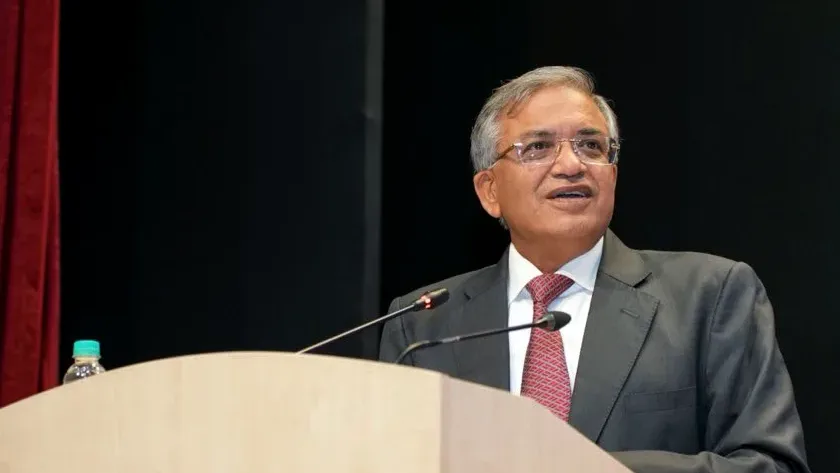
    Gyanesh Kumar
    CEC resignation rules explained amid Gyanesh Kumar controversy | ANI

    The controversy has prompted opposition leaders, including Rahul Gandhi, to demand Gyanesh Kumar’s resignation. Gandhi said elections were “fundamentally broken” and called for the CEC to step down.

    Also Read | Election Commission announces 9 key decisions amid internal concerns: What changes?

    The Election Commission, however, has rejected the suggestion that the reported differences undermine its functioning. The poll body said, “All these decisions are an outcome of the unanimous decisions of the full Commission in the past one year.” It also said differing views are a normal part of institutional deliberations.

    How does a CEC resign in India?

    The resignation process is set out in Section 11 of the Chief Election Commissioner and Other Election Commissioners (Appointment, Conditions of Service and Term of Office) Act, 2023. A CEC can resign at any time by submitting a written resignation addressed to the President of India.
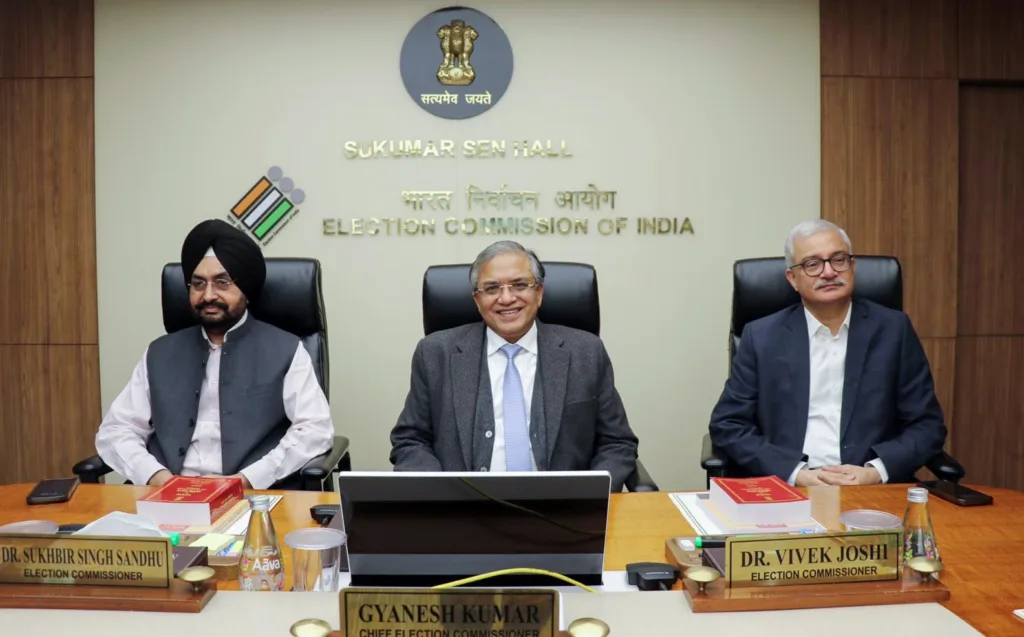
    Election Commission
    CEC resignation rules explained amid Gyanesh Kumar controversy | ANI

    The law does not create a separate deputy CEC who automatically steps into the post when the office becomes vacant.

    Who takes over after the CEC resigns?

    A new CEC is appointed by the President. Under the 2023 Act, the appointment is made on the recommendation of a three-member Selection Committee comprising the Prime Minister, the Leader of Opposition in the Lok Sabha and a Union Cabinet Minister nominated by the Prime Minister.

    Also Read | CEC vs 2 Election Commissioners: What happens when ECI members disagree?

    The Act also provides for a Search Committee headed by the Cabinet Secretary to prepare a panel of five names for consideration by the Selection Committee.
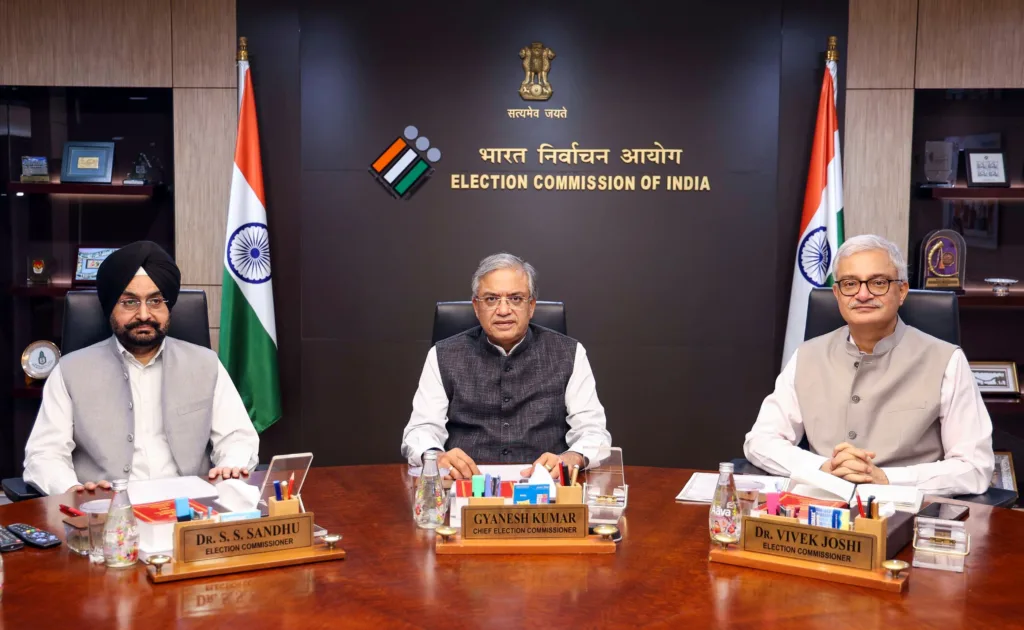
    Election Commission announces 9 key decisions
    Chief Election Commissioner Gyanesh Kumar with Election Commissioners Sukhbir Singh Sandhu, and Vivek Joshi | ANI

    Meanwhile, the Election Commission remains a multi-member constitutional body under Article 324. A vacancy in the CEC’s office does not by itself mean that the other Election Commissioners leave office. The exact arrangements for conducting the Commission’s business during any gap before a new CEC is appointed would depend on the applicable constitutional and statutory framework and directions issued by the competent authorities.

    So, if Gyanesh Kumar were to resign, there would not be an automatic appointment of another individual as CEC. The next CEC would have to be formally appointed by the President through the process laid down under the 2023 law.
  • CJP demands CEC Gyanesh Kumar’s resignation, announces nationwide protest from Oct 2

    CJP demands CEC Gyanesh Kumar’s resignation, announces nationwide protest from Oct 2

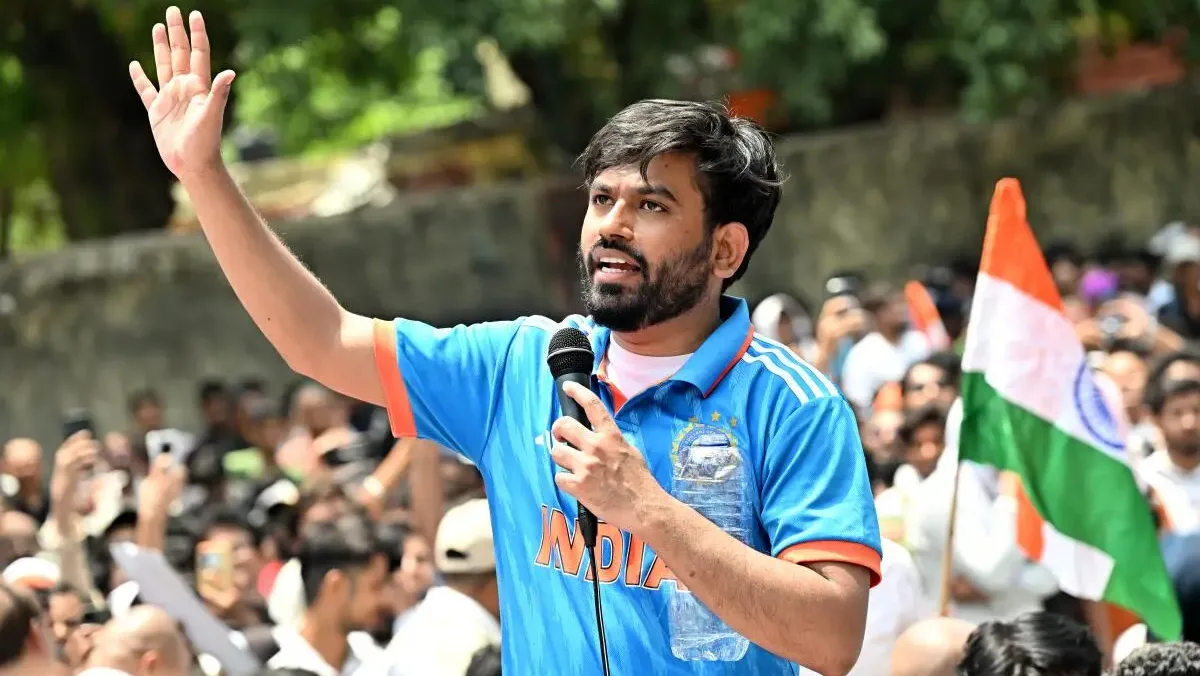
    The Cockroach Janta Party (CJP) has stepped up its criticism of the Election Commission of India amid a controversy over reported differences within the poll panel. The party has demanded the resignation of Chief Election Commissioner Gyanesh Kumar and announced plans for nationwide protests if he does not step down.

    CJP founder Abhijeet Dipke, along with spokespersons Saurav Das and Ashutosh Ranka, outlined the party’s demands at a press conference. The development came after a report by The Indian Express detailed objections reportedly raised by Election Commissioners Sukhbir Singh Sandhu and Vivek Joshi over several decisions concerning electoral rolls and the Special Intensive Revision (SIR).

    The Election Commission, however, has rejected the suggestion of an internal breakdown and said that all decisions, including those related to SIR, had the approval of all three commissioners.

    What are CJP’s three demands?

    The CJP listed three key demands during its press conference.

    First, the party called for Gyanesh Kumar to resign and demanded criminal proceedings against him.

    Second, it sought an immediate halt to the Special Intensive Revision (SIR) and called for the restoration of the January 2025 voter list.

    Third, the party demanded that the 2023 law governing the appointment and functioning of the Election Commission be repealed, along with reforms to the poll panel.

    Also Read | ECI dissent report sparks Opposition attack as poll panel rejects formal dissent claim

    Dipke also issued a 48-hour ultimatum to the Chief Election Commissioner and warned of a protest that he referred to as “Jantar Mantar 2.0” if Kumar failed to resign within the deadline.

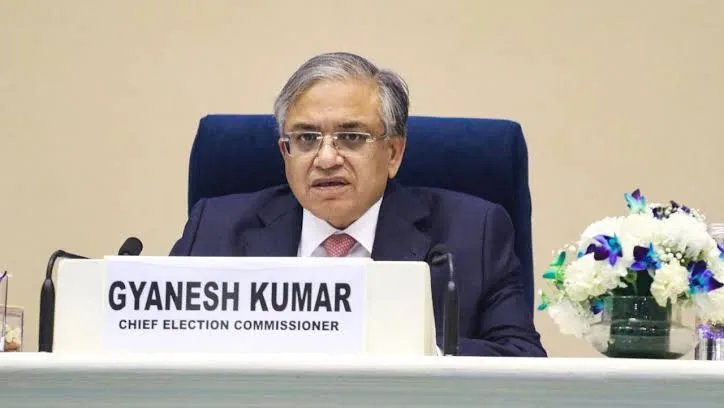
    Chief Election Comissioner Gyanesh Kumar
    Chief Election Comissioner Gyanesh Kumar. Credit: X/ANI

    Why is the Election Commission facing scrutiny?

    The controversy follows an Indian Express report that said Sandhu and Joshi had formally objected to several decisions taken within the Election Commission over the past 10 months.

    According to the report, the objections covered issues including voter registration, deletion of names from electoral rolls, access to voter databases and aspects of the SIR exercise. The two commissioners reportedly raised objections on 14 occasions.

    One point of contention involved Form 6, which is used by Indian citizens to apply for inclusion in the electoral roll for the first time. The report said changes were made to the form in connection with SIR, despite concerns raised by the commissioners.

    The reported disagreements have also brought renewed attention to the way electoral databases are managed and the role of statutory election officials in maintaining voter lists.

    CJP alleges voting rights are under threat

    Speaking about the controversy, Dipke said: “We are in a difficult phase; the right to vote is being snatched… If you know elections are being rigged you cannot participate. You will have to take a stand.”

    He also alleged that CEC Kumar was the “biggest threat to Indian democracy” and accused the Election Commission of deciding who would be allowed to vote.

    Also Read | What is ERONET? The ECI software at the centre of the SIR row

    These are allegations made by the CJP and are not established findings. The Election Commission has maintained that its decisions, including the SIR exercise, were unanimous and approved by all three commissioners.

    CJP announces nationwide protest from October 2

    On Friday, Dipke announced that the CJP would begin nationwide protests from October 2, Gandhi Jayanti, if Kumar did not resign. The agitation is set to begin in Mumbai before spreading to other cities, according to the party.

    “This Gandhi Jayanti let’s pledge to save democracy,” Dipke said.

    CJP co-convener Ashutosh Ranka added: “There cannot be a better date than Oct 2 to reclaim our Republic.”

    Dipke also questioned why Opposition parties continue to contest elections while alleging irregularities in the electoral process.

    In an earlier statement, he said: “When you continue to participate in rigged elections, you legitimise these elections and help maintain the illusion that they are free and fair.”

    The CJP’s announcement adds another layer to the ongoing debate surrounding the Election Commission, SIR and the management of electoral rolls, with the poll panel’s response and the reported objections from two commissioners remaining central to the controversy.