The Delhi High Court has directed the Municipal Corporation of Delhi (MCD) to establish a high-powered committee to address the risks posed by dilapidated and structurally unsafe buildings during periods of air pollution restrictions. The committee will be constituted by the MCD commissioner in consultation with Chief Minister Rekha Gupta and will examine alternatives to demolition while restrictions under the Graded Response Action Plan (GRAP) remain in force.
In an order passed on November 6, 2026, Justice Saurabh Banerjee said civic authorities could not ignore the threat posed by dangerous structures simply because demolition activities were restricted. The court asked the committee to be formed as soon as possible, preferably within a week, and noted that the existing restrictions prevented the removal of such buildings until February 10.
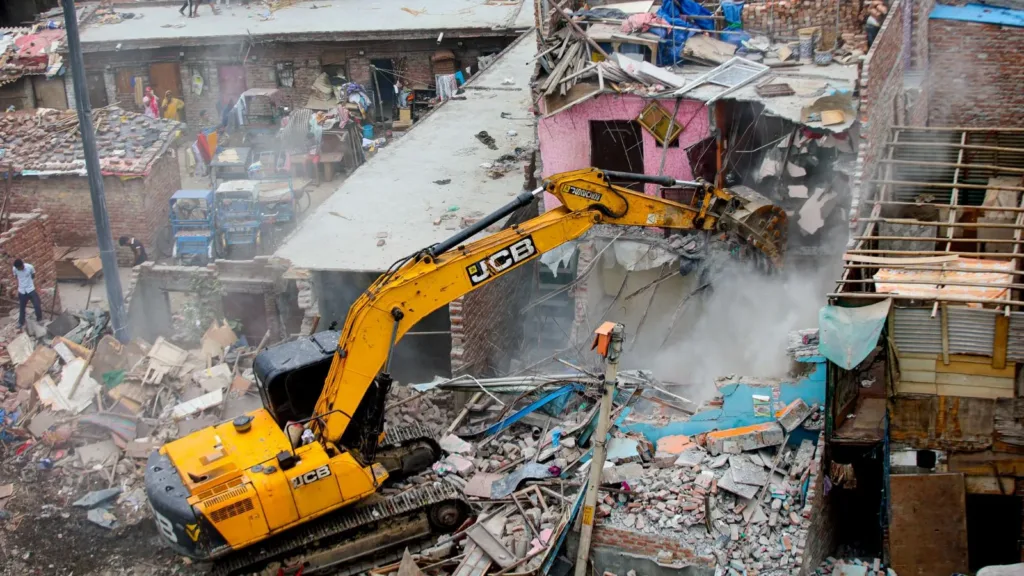
Delhi High Court flags risks posed by dangerous buildings during GRAP
Taking suo motu cognisance of the issue, the Delhi High Court highlighted the risks that unsafe buildings pose to occupants, property owners, passers-by and residents of neighbouring properties. Referring to recent building collapses in Delhi, including incidents at Satya Niketan and Chawri Bazaar, the court said it could not remain a mute spectator when human lives were at risk.
The Delhi High Court observed that while GRAP directions had to be respected, the problem of unauthorised construction and structurally unsafe properties also required urgent attention.
It noted that rampant unauthorised construction within its jurisdiction had serious consequences and could expose people to imminent and avoidable danger. The court’s observations came against the backdrop of multiple building collapse incidents that resulted in deaths and injuries.
The direction is intended to address the immediate safety concerns surrounding dangerous buildings in Delhi without disregarding the anti-pollution restrictions currently in force.
Also Read | India rejects 3 key allegations in Gurpatwant Singh Pannun’s lawsuit
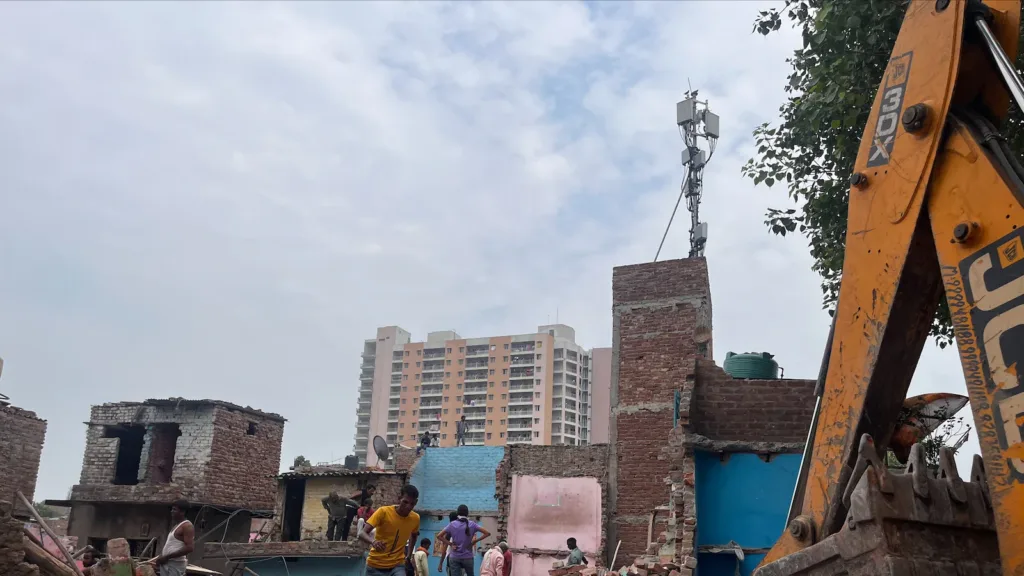
Committee to examine sealing, repairs and controlled demolition
The Delhi High Court directed the MCD commissioner to constitute the committee in consultation with Chief Minister Rekha Gupta. It asked the panel to develop an effective alternative mechanism for dealing with buildings identified as dilapidated, structurally unsafe or dangerous during the GRAP restriction period.
The proposed measures include sealing unsafe properties, carrying out necessary repairs and undertaking controlled demolition wherever required. The committee will examine these options to ensure that restrictions on regular demolition work do not leave people exposed to hazardous structures.
The court passed the order while hearing a case involving a property that the MCD had found to be in a ruinous condition. The civic body had issued a notice under Section 348 of the Delhi Municipal Corporation Act, which deals with the removal of dangerous buildings.
Emphasising the State’s responsibility to protect human life, the court said the right to life required authorities to take reasonable and effective measures against foreseeable dangers.
It also cautioned the MCD against limiting its response to inspections and notices while leaving the underlying threat unresolved. The court said civic authorities could not avoid their responsibility until a collapse or another unfortunate incident occurred.
Also Read | Bismillah Khan’s Varanasi home partially demolished: 3 key claims behind political row
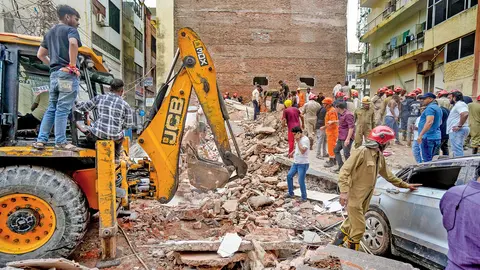
Satya Niketan collapse that killed 7 highlights urgency
Delhi High Court referred to the September 6 collapse of a multi-storey building housing a boys’ paying guest accommodation at Satya Niketan, near Delhi University’s South Campus. The structure collapsed while repair work was underway, killing seven people and leaving several others injured.
The following day, the court ordered a high-level MCD inquiry into the incident and made it clear that the government could not evade responsibility for the tragedy.
The latest directions also come amid concerns over other building collapses, including the incident at Chawri Bazaar in Old Delhi. These incidents have renewed scrutiny of building safety, unauthorised construction and the enforcement of municipal regulations in the capital.
The Delhi High Court directed that a copy of its November 6 order be forwarded to Chief Minister Rekha Gupta and the MCD commissioner. The matter has been listed for further hearing on January 20, 2027.