Tag: Gen Z slang

  • What is ‘mogging’? Collins Dictionary names viral Gen Z slang word of the year 2026

    What is ‘mogging’? Collins Dictionary names viral Gen Z slang word of the year 2026

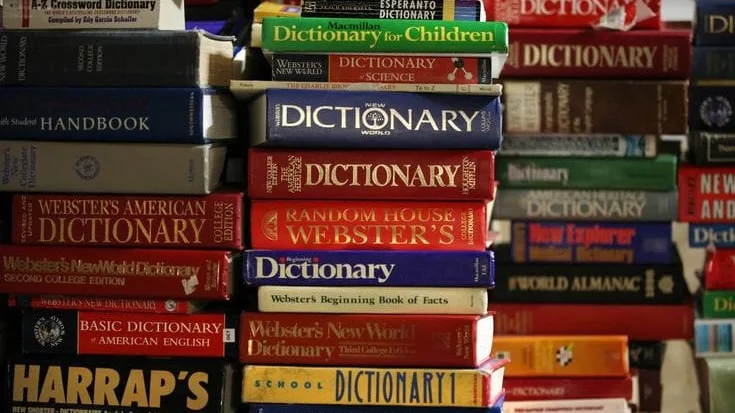
    ‘Mogging’ has become the latest buzzword in internet culture, particularly among Gen Z users who frequently discuss physical appearance, fashion and fitness online. From impressive gym transformations and celebrity red-carpet looks to Instagram-perfect photographs, appearance comparisons are everywhere on social media. Recognising the slang term’s growing popularity, Collins Dictionary has named ‘mogging’ its Word of the Year for 2026, bringing the internet expression into the mainstream spotlight.

    The word has gained traction among younger internet users, particularly Gen Z and Gen Alpha, and is increasingly appearing in conversations about physical appearance, fashion and confidence.

    What does ‘mogging’ mean?

    According to Collins Dictionary, ‘mogging’ means outperforming or outshining someone or something, often making the other person appear inferior in terms of physical appearance, confidence or status.

    Also Read | ‘Maxxing’ is Dictionary.com’s 2026 Word of the Year

    The expression is commonly used when someone appears noticeably taller, more muscular, better dressed or conventionally more attractive than another person. For instance, a celebrity stealing attention with a red-carpet appearance or someone standing out with an impressive fitness transformation could be described as mogging others.

     ‘mogging’? Collins Dictionary names viral Gen Z
    (Representational Image) Gen Z’s viral slang term moves from bodybuilding circles to mainstream vocabulary | AI Generated

    Simply put, it refers to being overshadowed by someone who appears to have the upper hand in a particular comparison.

    Where did the slang term originate?

    The origins of mogging can be traced to bodybuilding circles and online communities discussing physical appearance. Collins Dictionary links the word to AMOG, an acronym for ‘alpha male of the group’.

     mogging? Meaning of Collins' 2026 word of the year
    (Representational Image) Collins recognises the internet’s latest buzzword amid growing social media popularity | AI Generated

    Around 2016, the term began circulating as a noun in bodybuilding communities, describing the most physically dominant man in a gym or social setting. It later evolved into a verb and became associated with manosphere communities, where discussions about masculinity, attractiveness and social hierarchies were common.

    How is gen z using mogging on social media?

    Platforms such as Instagram and TikTok have helped popularise the expression. It is now frequently used in a humorous or exaggerated way to describe someone stealing the spotlight through their appearance, outfit, physique or confidence.

     mogging? Meaning of Collins' 2026 word of the year
    (Representational Image) From physical appearance to online comparisons, ‘mogging’ defines a new internet trend | AI Generated

    The term also appears alongside ‘looksmaxxing’, which refers to efforts to improve one’s physical attractiveness.

    Why did Collins Dictionary choose mogging as its 2026 word of the year?

    According to Collins Dictionary, usage of the term increased by 210 per cent over the past year. Its lexicographers monitor a database containing approximately 27 billion words, including language used across social media.

    Also Read | Think solo dates are boring? These 20 ideas may change your mind

    Collins managing director Alex Beecroft said the selection demonstrates how each generation leaves its mark on language, with younger internet users giving existing expressions a new, humorous life.

    mogging? Meaning of Collins' 2026 word of the year
    (Representational Image) The viral slang reflects Gen Z’s growing influence on everyday language | AI Generated

    However, the popularity of mogging also reflects the growing culture of appearance-based comparisons online. Its association with certain manosphere communities has raised concerns about turning subjective beauty standards into rigid hierarchies. As sociology researcher Simon Copland told ABC News, some influencers use questionable scientific claims to create formulas for determining whether someone is attractive enough.

    From a niche bodybuilding expression to a widely recognised internet slang term, mogging’s journey highlights how quickly online vocabulary can enter mainstream conversations.

  • ‘Maxxing’ is Dictionary.com’s 2026 Word of the Year

    ‘Maxxing’ is Dictionary.com’s 2026 Word of the Year

    “Maxxing”, a slang term used to describe taking something to the highest possible level or optimising it as much as possible, has been named Dictionary.com’s 2026 Word of the Year.

    The term, shortened from “maximising”, can be used on its own or added to the end of another word to describe an intense effort to improve or optimise something. Dictionary.com said the word reflects a culture increasingly focused on getting the most out of everything.

    The choice marks a sharp change from recent years. Dictionary.com selected “demure” as its 2024 Word of the Year after analysing social media trends, news coverage and search data, while “67” was chosen in 2025.

    From fitness to appearance, everything can be ‘maxxed’

    “Maxxing” has become particularly popular among younger social media users, with people using it to describe efforts to improve different aspects of their lives.

    Fitness and wellness influencers talk about “proteinmaxxing” and “fibermaxxing” when discussing efforts to increase their intake. People focused on improving their sleep habits use the term “sleepmaxxing”.

    Another widely used variation is “looksmaxxing”, which refers to attempts to improve physical appearance according to particular standards. Influencer Clavicular has attracted thousands of followers while documenting his own extreme looksmaxxing efforts, including a focus on facial features, jawlines and physique.

    Dictionary.com said digital media used the term nearly 19 times more in August 2026 than its monthly average for 2025.

    Other words considered for the 2026 title included “affordability”, “data centre”, “odyssey” and “unc”, the shortened form of “uncle”.

    A slang term that keeps changing

    (Representational image), Maxxing Word of the Year | Ai generated

    Dictionary.com lexicographer Steve Johnson said the growing use of “maxxing” reflects a wider cultural desire to keep pushing things further.

    But the term is not always used seriously. People also use it ironically, exaggerate it for humour or even use it to poke fun at the constant pressure to optimise every part of life.

    The idea behind the word also predates its recent social media popularity. In the opening theme of the 1990s sitcom The Fresh Prince of Bel-Air, Will Smith famously rapped about “chillin’ out, maxin’, relaxin’ all cool”.

    Also Read | From sushi to wood-fired pizza, Delhi-NCR’s thelas get a gourmet makeover

    Teacher and content creator Lauren Cella said she has been hearing students use “maxxing” as a suffix for some time. She described the trend as a form of young people experimenting with grammar and creating new ways of expressing their goals.

    How the internet is reshaping language

    The popularity of “maxxing” also highlights how quickly internet culture can influence everyday language.

    Linguist Vanessa Croft said digital media allows new expressions to spread at a speed that previous forms of mass communication, including radio, film and television, could not match.

    But that speed works both ways. A word can become popular rapidly and disappear just as quickly.

    Croft noted that terms adopted by older generations can already be falling out of use among Gen Z and Gen Alpha. Even “maxxing”, which remains popular among younger people, is increasingly being used ironically by some teenagers.

    (Representational image), Maxxing Word of the Year | Ai generated

    Why ‘maxxing’ fits 2026

    Dictionary.com’s choice reflects more than the popularity of a slang word. “Maxxing” has become a flexible linguistic tool that can be attached to almost any activity, from eating more protein to improving sleep or changing one’s appearance.

    Also Read | Too much screen time? Doctors warn of bone health risks in Indian kids

    Johnson said the different ways people use the term also reveal contrasting attitudes towards the culture of optimisation. Some people genuinely embrace the idea of constantly improving themselves, while others use the word as a joke or to question the pressure to always do more.

    Also Read |

    For a generation growing up online, “maxxing” has therefore become both a way to describe self-improvement and a playful way to comment on the obsession with achieving perfection.