Tag: Flavio Bolsonaro

  • A fourth term for Lula, a mountain of debt and a Congress pushing back

    A fourth term for Lula, a mountain of debt and a Congress pushing back

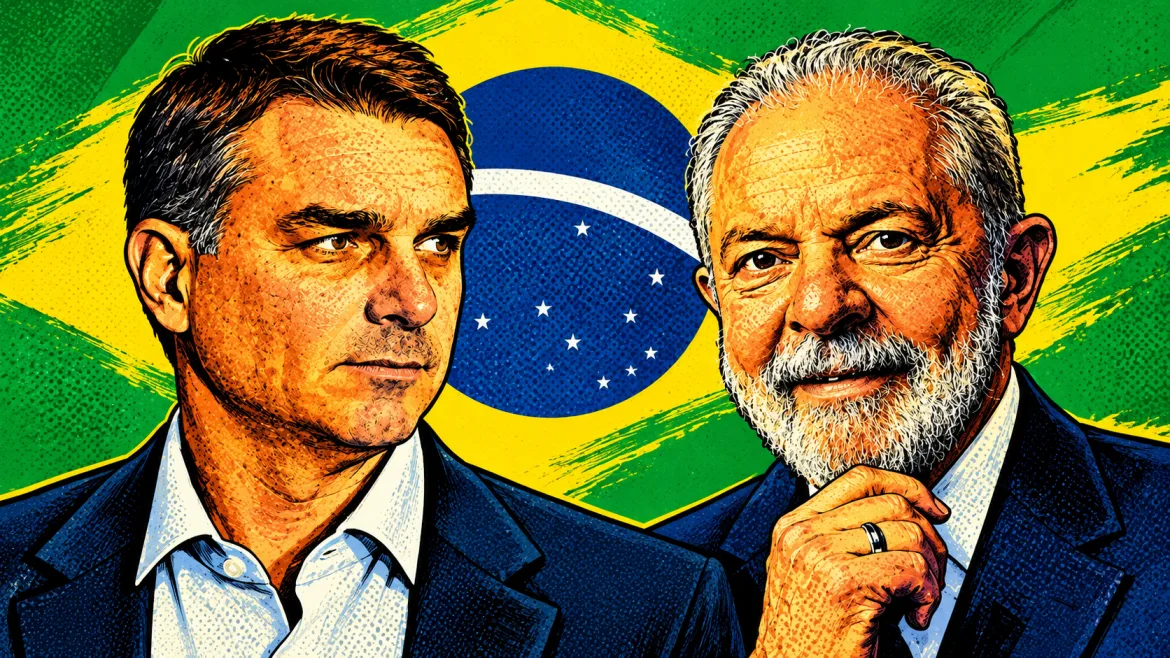
    Brazilian President Luiz Inácio Lula da Silva has won a historic fourth presidential term, but the victory has left him facing a difficult political and economic landscape.

    The 80-year-old left-wing leader defeated right-wing Senator Flávio Bolsonaro in the October 25, 2026, presidential runoff. However, a narrow electoral margin, mounting public debt and a Congress dominated by conservative forces could limit his ability to deliver on key promises.

    Investors are also questioning whether his government can maintain social welfare programmes while bringing public finances under control.

    Lula is due to begin his new term in January 2027. According to Brazil’s Superior Electoral Court, he received 51.79% of valid votes, against 48.21% for Bolsonaro.

    Also Read | PHP’s security crisis raises questions over funding and AI-driven threats

    The arithmetic in Brasília

    The biggest challenge may come from Congress. Lula’s Workers’ Party and its allies do not control the legislature, while Bolsonaro’s Liberal Party and its conservative partners are set to hold majorities in both chambers.

    This could make it harder for the president to pass legislation, negotiate tax changes and secure support for his economic agenda.

    Lula has pledged to protect social programmes and ensure that minimum wages rise faster than inflation. These commitments are central to his political appeal. But they also come at a time when the government faces pressure to reduce borrowing and control spending.

    Analysts warned that Lula would struggle to build the political coalitions needed to push through major reforms. His ability to work with lawmakers who oppose much of his agenda will therefore be crucial to the success of his final term.

    Debt leaves little room to manoeuvre

    Brazil’s public debt has climbed above 82% of gross domestic product (GDP), an increase of more than 10 percentage points during Lula’s current term.

    GDP measures the total value of goods and services produced by an economy. Higher debt increases the government’s interest burden and leaves less room for other spending.

    Brazil’s interest rate stands at 13.75%, while annual inflation is 4.6%, marginally above the central bank’s tolerance range.

    The government has also forecast economic growth of 2.3% in 2027. Lula must now find a balance between reducing the deficit, supporting growth and protecting welfare benefits.

    A further concern is household debt. According to credit bureau Serasa, nearly 84 million Brazilians and 9.3 million businesses are behind on debt payments.

    Lula’s proposed debt-relief measures could offer some breathing room, but such initiatives may provide only temporary relief.

    A cool reception from the trading floor

    The election result has also unsettled financial markets. Before the runoff, investors had positioned themselves for a possible Bolsonaro victory, anticipating spending restraint, deregulation and closer ties with US President Donald Trump’s administration.

    Brazilian stocks had risen almost 7% from their level before the first round of voting, while the real had strengthened nearly 5% against the US dollar.

    Lula’s victory has prompted investors to reconsider those expectations. Markets now want a credible fiscal plan that explains how the government will stabilise debt without abandoning its social commitments.

    Reuters reported that analysts expect market sentiment to remain weak until Lula’s team provides greater clarity on spending and public finances. The appointment of the next finance minister and the details of the 2027 budget are likely to be closely watched.

    The government’s longer-term target is to achieve a primary budget surplus of around 1.3% of GDP by 2030.

    A primary surplus means government revenue exceeds expenditure before interest payments on debt are counted.

    Flávio Bolsonaro’s challenge to the result

    Political uncertainty has added another layer to the transition. Flávio Bolsonaro has refused to concede defeat and said he would seek to annul the result, citing a decision to extend voting by two hours over alleged public transport irregularities.

    “It is impossible to recognize the election results, given the circumstances under which things unfolded,” he told journalists.

    An analysis by Insper professor Pedro Burgos found that fewer than 35,000 votes were cast during the extended period, amounting to about 0.03% of the total.

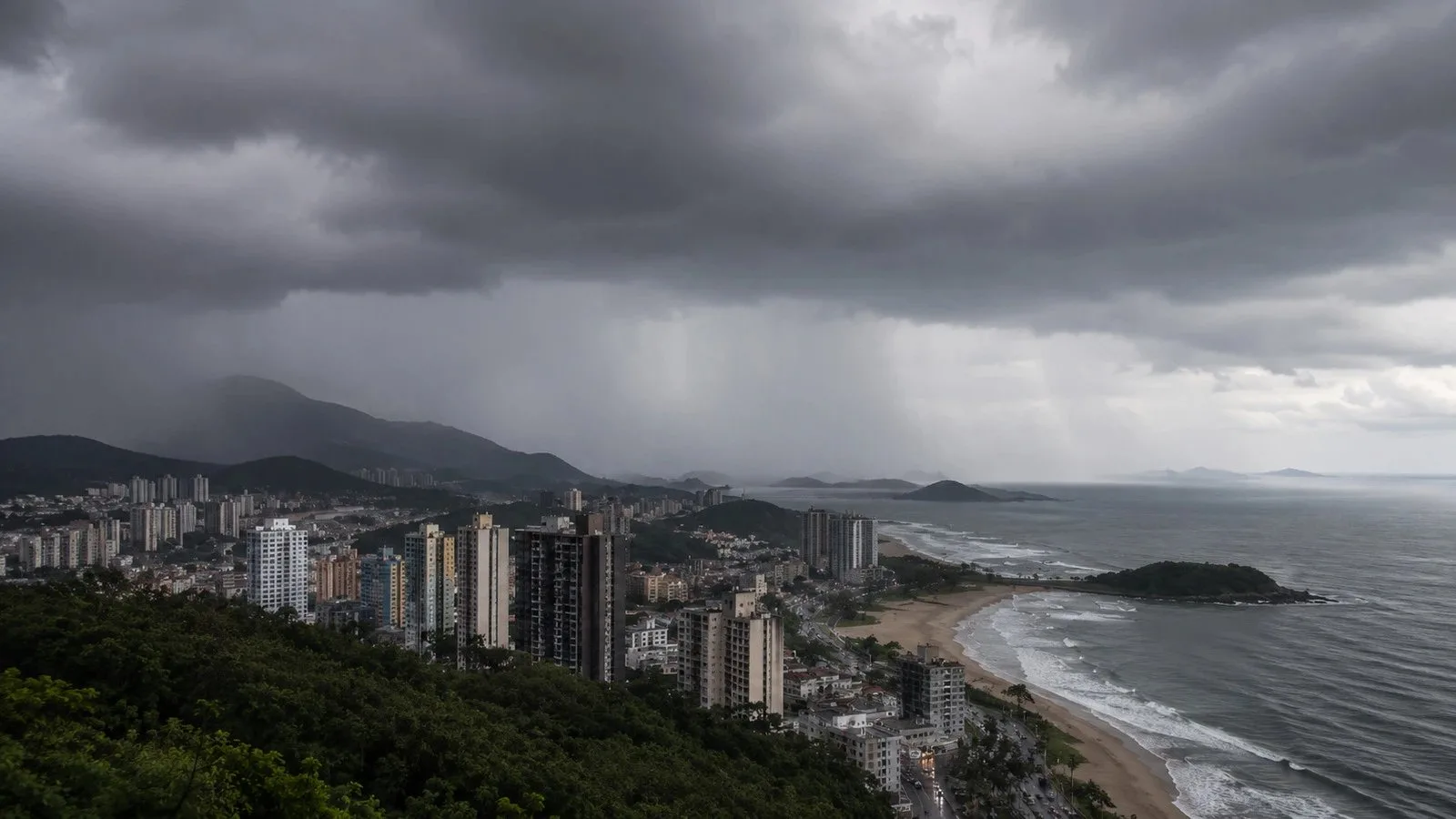
    Bolsonaro’s campaign had also sought an extension because of heavy rain in the country’s conservative-leaning south.

    The margin of more than four million votes made a successful challenge unlikely.

    Also Read | Brazil election: 33.4 million first-round abstainers could shape Lula-Bolsonaro runoff

    Lula’s priorities for his final term

    Lula’s immediate task is to establish a workable relationship with Congress and reassure markets that his government has a credible plan for managing public debt.

    His victory gives him another mandate, but translating it into policy will require political negotiation and difficult economic choices.

    The direction of his final term will depend on whether he can reconcile his social commitments with the pressure to restore confidence in Brazil’s finances.
  • Brazil election: 33.4 million first-round abstainers could shape Lula-Bolsonaro runoff

    Brazil election: 33.4 million first-round abstainers could shape Lula-Bolsonaro runoff

    Brazil is heading into a closely contested presidential runoff on Sunday, October 25, with incumbent Luiz Inácio Lula da Silva facing right-wing Senator Flavio Bolsonaro.

    The election will decide whether Lula secures an unprecedented fourth, non-consecutive presidential term or Bolsonaro takes power by building on the political legacy of his father, former president Jair Bolsonaro.

    The result could also influence Brazil’s economic priorities, approach to public security, and international relations.

    The contest has tightened since the first round on October 4. Flavio Bolsonaro secured around 47% of the vote, while Lula received just over 45%. Neither candidate won the majority needed to avoid a runoff.

    A CNT/MDA poll released on October 24 put Bolsonaro at 46.3% and Lula at 45%. The survey interviewed 2,032 people between October 21 and 23, with a margin of error of 2.2 percentage points. The figures indicate a competitive race.

    Also Read | PHP’s security crisis raises questions over funding and AI-driven threats

    Who are the candidates?

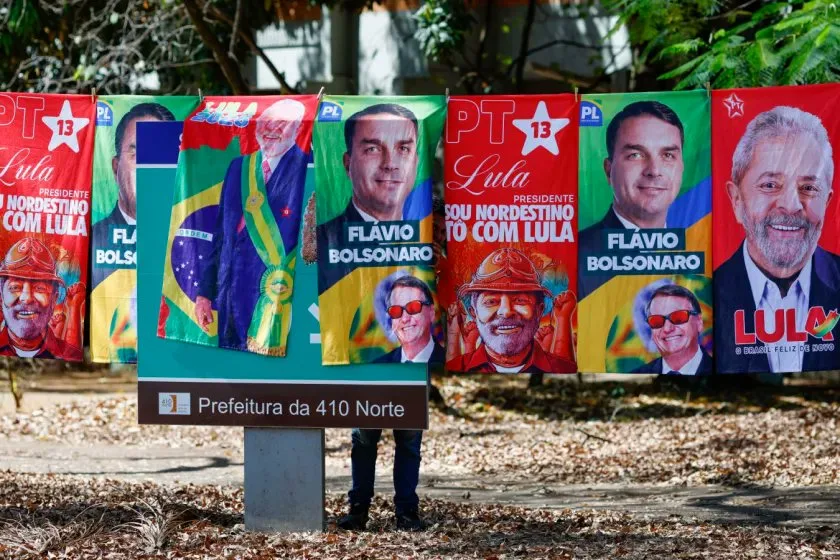
    Lula is leaning on welfare and social protection, while Flavio Bolsonaro promises a tougher response to organised crime | X (@DavidUllrich202)
    Lula is leaning on welfare and social protection, while Flavio Bolsonaro promises a tougher response to organised crime | X (@DavidUllrich202)

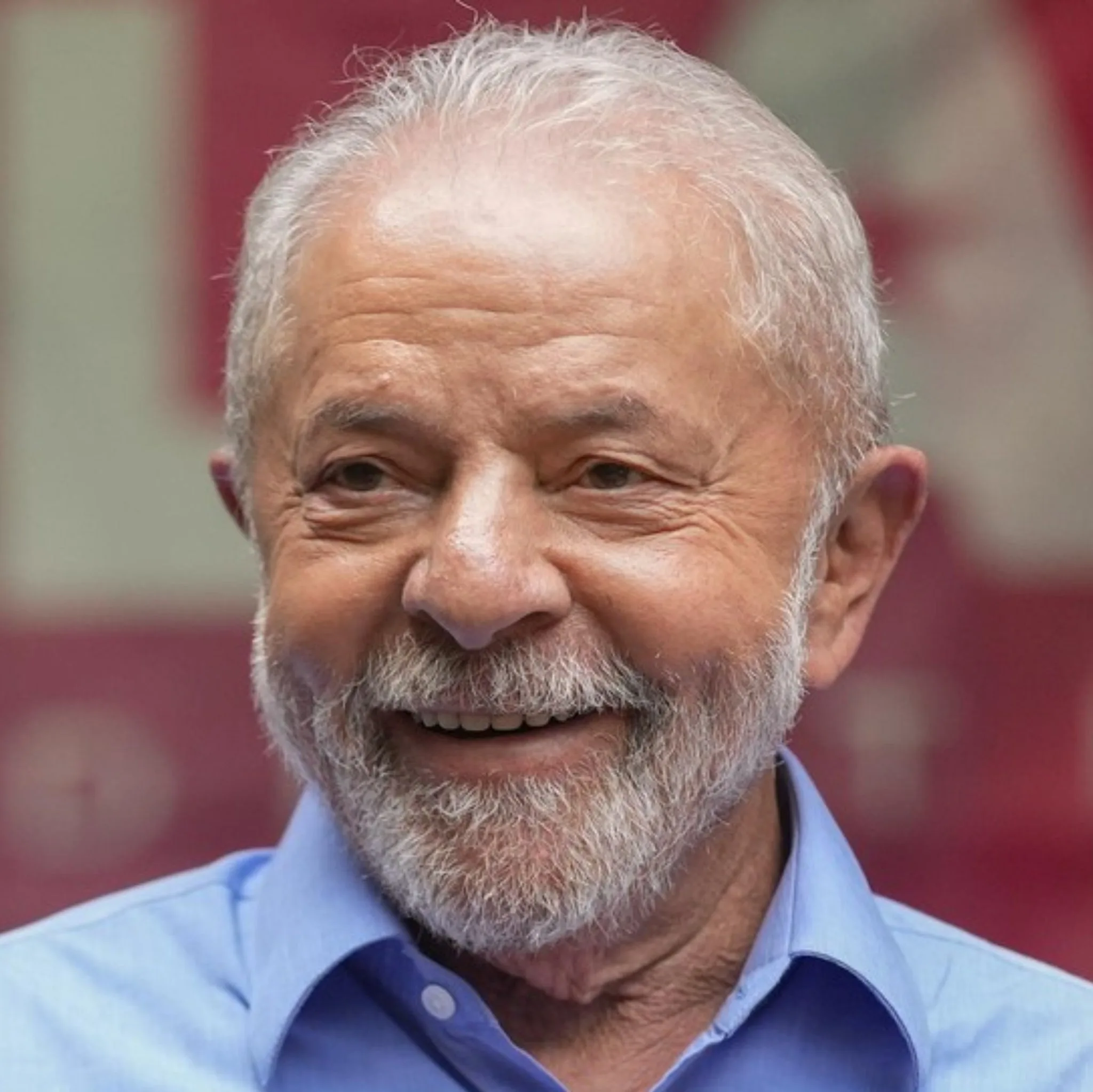
    Lula, 80, represents the left-wing Workers’ Party. A former factory worker and trade union leader, he returned to the presidency in 2023 after defeating Jair Bolsonaro in 2022.

    His political appeal rests partly on social welfare programs, measures to reduce poverty, and efforts to improve living standards. His government has also pointed to falling unemployment and efforts to curb deforestation.

    Be that as it may, household debt and concerns about the cost of living remain challenges for his administration.

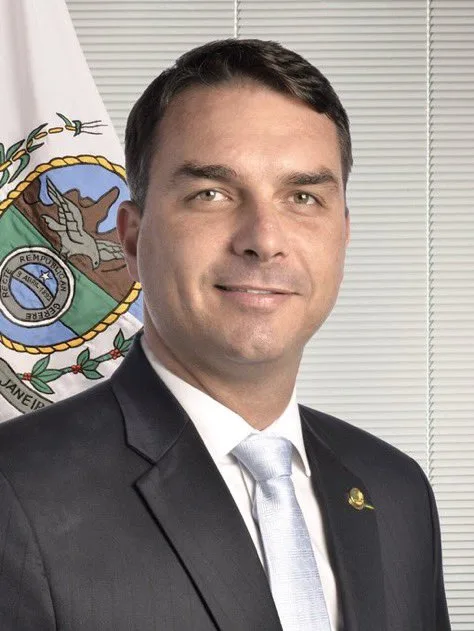
    Flavio Bolsonaro, 45, is a senator from the right-wing Liberal Party and the eldest son of Jair Bolsonaro. He has positioned himself as the main challenger to Lula, promising a tougher response to organized crime, tax relief, and tighter control over government spending.

    He has also pledged to pursue his father’s release from prison. Jair Bolsonaro is serving a 27-year sentence following his conviction over a plot to remain in power after losing the 2022 election.

    Cost of living, crime and policy differences

    Flavio Bolsonaro's pledge to pursue his father's release adds a deeply personal issue to a race already shaped by crime, corruption and economic anxieties | X (@OpenSourceZone)
    Flavio Bolsonaro’s pledge to pursue his father’s release adds a deeply personal issue to a race already shaped by crime, corruption and economic anxieties | X (@OpenSourceZone)

    For voters, the contest is about more than political ideology.

    It is also about everyday concerns—food prices, jobs, household finances, and personal safety.

    During their final televised debate on Friday, the candidates clashed over the cost of living, welfare, and corruption allegations. Lula defended his administration’s increases in the minimum wage, arguing that his government had helped millions of Brazilians escape hunger.

    Bolsonaro countered that food prices had risen under Lula and questioned the potential effect of the government’s tax reforms on consumers.

    Public security is another dividing line. Bolsonaro has promised a militarized approach to tackling organized criminal gangs while also pledging to rein in inflation and public spending.

    Lula, meanwhile, is seeking support by highlighting social programs and proposals aimed at easing pressure on working households.

    The role of abstaining voters

    Some 33.4 million Brazilians skipped the first round. With abstention at 21%, voters who stayed home could shape the Lula-Bolsonaro contest | X (@LulaOficial)
    Some 33.4 million Brazilians skipped the first round. With abstention at 21%, voters who stayed home could shape the Lula-Bolsonaro contest | X (@LulaOficial)

    One of the biggest uncertainties is turnout.

    Around 33.4 million people did not vote in the first round, equivalent to an abstention rate of 21%—the highest for a Brazilian general election since 1998.

    Not all these voters are politically disengaged. Some face practical barriers, including work commitments, family responsibilities, registration issues, or long journeys to polling stations.

    Others are disillusioned with both candidates.

    Lula has made increasing turnout a priority. His campaign has promoted proposals including free public transport on weekends and debt relief for small-scale entrepreneurs.

    Bolsonaro is seeking to consolidate support among conservative voters who backed candidates eliminated in the first round. With polling showing only a narrow gap, even a modest shift in participation could matter.

    Also Read | UK urges households to keep 3 days of food, water and emergency supplies

    Digital hustings grow contentious

    Lula's first smartphone signals a campaign push to reach digitally connected voters | X (@thepopwrld)
    Lula’s first smartphone signals a campaign push to reach digitally connected voters | X (@thepopwrld)

    The campaign is also playing out online. Lula recently acquired his first smartphone as he tries to connect with voters who increasingly consume political content through digital platforms.

    Bolsonaro has built a direct audience through YouTube, reflecting the growing importance of online campaigning.

    The role of social media companies has prompted controversy. United Nations human rights experts have urged Meta, which owns Facebook, Instagram, and WhatsApp, to protect political expression after reports of suspended accounts and reduced visibility for campaign-related content.

    Lula’s campaign has accused Meta of restricting its reach, while Bolsonaro’s team has filed its own complaint against Lula over government postings on WhatsApp.

    Meta has denied favoring either side and said it has complied with a Brazilian court order requiring equal treatment of the campaigns. The allegations remain disputed.

    The decisive question is whether Lula can turn his record on welfare and social protection into enough votes for another term, or whether Bolsonaro can convert the right’s first-round momentum into a presidential victory.

    With the polls close and turnout uncertain, Brazil’s October 25 runoff remains wide open.

  • Lula has the first-round edge, but Brazil runoff is too close to call

    Lula has the first-round edge, but Brazil runoff is too close to call

    Brazil’s presidential race is entering its final stretch with President Luiz Inacio Lula da Silva and Senator Flavio Bolsonaro separated by just a fraction of a percentage point in a possible second-round contest.

    An AtlasIntel/Bloomberg poll released on September 29 showed Bolsonaro at 47.7% and Lula at 47.6% in a simulated runoff. The 0.1-point gap is well within the survey’s margin of error.

    Also Read | US midterms 2026: Republicans unleash $888 million ad blitz; Kennedy says ‘I think we’re going to have enough money’

    Not enough

    The latest Brazil election numbers leave little room for comfort, with Lula ahead in round one but virtually tied with Flavio Bolsonaro in round two | X (@Hotspotorlando)
    The latest Brazil election numbers leave little room for comfort, with Lula ahead in round one but virtually tied with Flavio Bolsonaro in round two | X (@Hotspotorlando)

    The same poll gives Lula a clearer lead in the first round, but still not enough to cross the threshold needed to win outright.

    Lula was on 45.3% and Bolsonaro on 42.2%, with Renan Santos at 5.2% and Augusto Cury at 2%.

    Brazil’s first-round vote is scheduled for October 4. Under the country’s electoral system, a presidential candidate must secure more than half of the valid votes to avoid a runoff.

    If that does not happen, the top two candidates face each other again on October 25.

    A tie by decimals

    The numbers also show how little distance there is between the two leading campaigns. In the previous AtlasIntel poll, released on September 23, Lula had 45.8% in the first round and Bolsonaro 43.4%.

    In the simulated runoff, Lula led 47.7% to Bolsonaro’s 47.4%. The latest survey therefore shows a small movement in both scenarios, but not a decisive break in the overall contest.

    AtlasIntel surveyed 5,005 people between September 23 and 28. The reported margin of error is one percentage point.

    Campaign mood and voter uncertainty

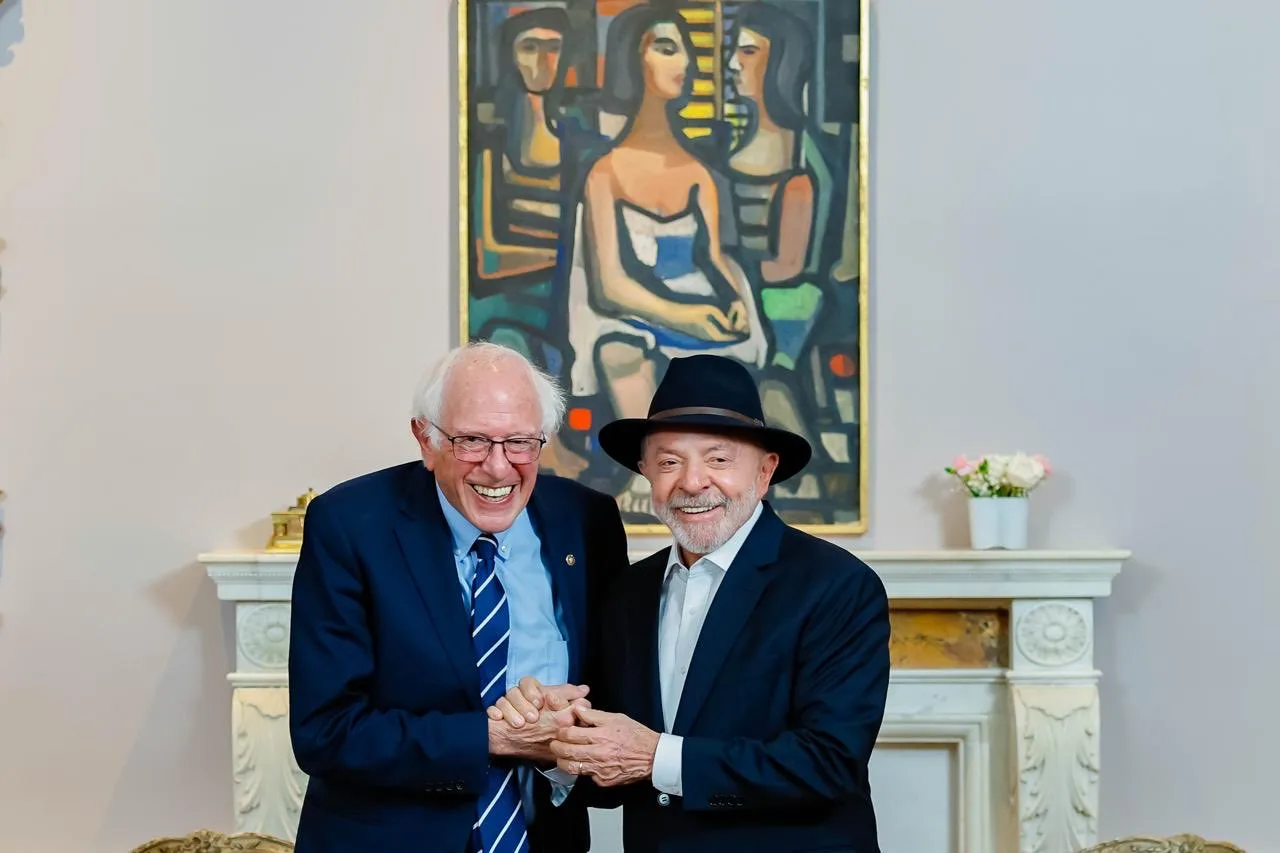
    Brazil's president and US senator Bernie Sanders share a warm moment during a meeting | X (@SenSanders)
    Brazil’s president and US senator Bernie Sanders share a warm moment during a meeting | X (@SenSanders)

    That closeness comes as the campaign remains relatively subdued on the ground. A recent analysis by political scientist Sergio Abranches, published by Scroll, described the campaign as “lackluster” and pointed to the growing importance of digital platforms.

    Abranches cited a September 21 Quaest poll in which 21% of respondents said their first-round choice could still change. He also noted that independent voters remained divided between the two main candidates.

    These polls showing a near dead heat should be read as a snapshot of the race, rather than a prediction of the final result.

    Also Read | China’s cuddly diplomats are back in Atlanta to revive panda diplomacy

    The final stretch

    The campaign is also being shaped by economic concerns. Lula’s team has been discussing a gradual fiscal adjustment, while advisers to Bolsonaro were proposing a faster reduction in the fiscal deficit.

    Both camps face questions over mandatory spending, including pensions and social benefits. Yet fiscal policy has not been the dominant theme of the campaign.

    With the first round only days away, the latest polling leaves the race open and puts greater attention on how voters respond in the final days before October 4.