Tag: Election Commission

  • Keep your friends close, but your enemies closer? The implications of TMC-CPI(M) dialogue amid EC row

    Keep your friends close, but your enemies closer? The implications of TMC-CPI(M) dialogue amid EC row

    Mamata Banerjee’s reported outreach to the CPI(M) has opened an unusual political channel in West Bengal, where the Trinamool Congress and the Left party have remained bitter rivals for decades. The Mamata CPI(M) outreach comes amid an escalating Opposition campaign over the Election Commission’s Special Intensive Revision (SIR) of electoral rolls and reports of disagreements within the poll panel.

    Banerjee and CPI(M) general secretary MA Baby spoke over the phone on September 25 after the Left leader wrote to Opposition parties seeking a joint response to developments concerning the Election Commission. According to reports, the two leaders discussed the need for Opposition parties to work together on the issue. Banerjee also spoke to Congress leader Rahul Gandhi and urged an early meeting of INDIA bloc parties.

    The development has attracted attention because TMC and CPI(M) have historically been fierce opponents in Bengal. However, CPI(M) leader MA Baby has described the current initiative as issue-based and said it was too early to say whether it would lead to any wider political understanding.
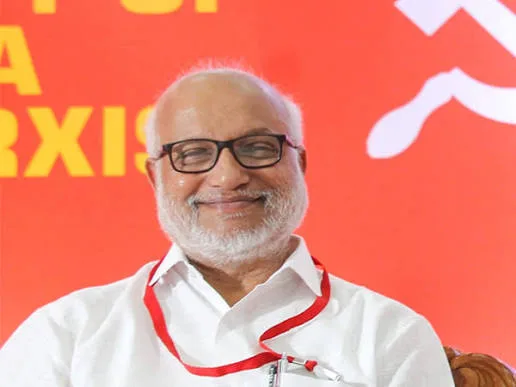
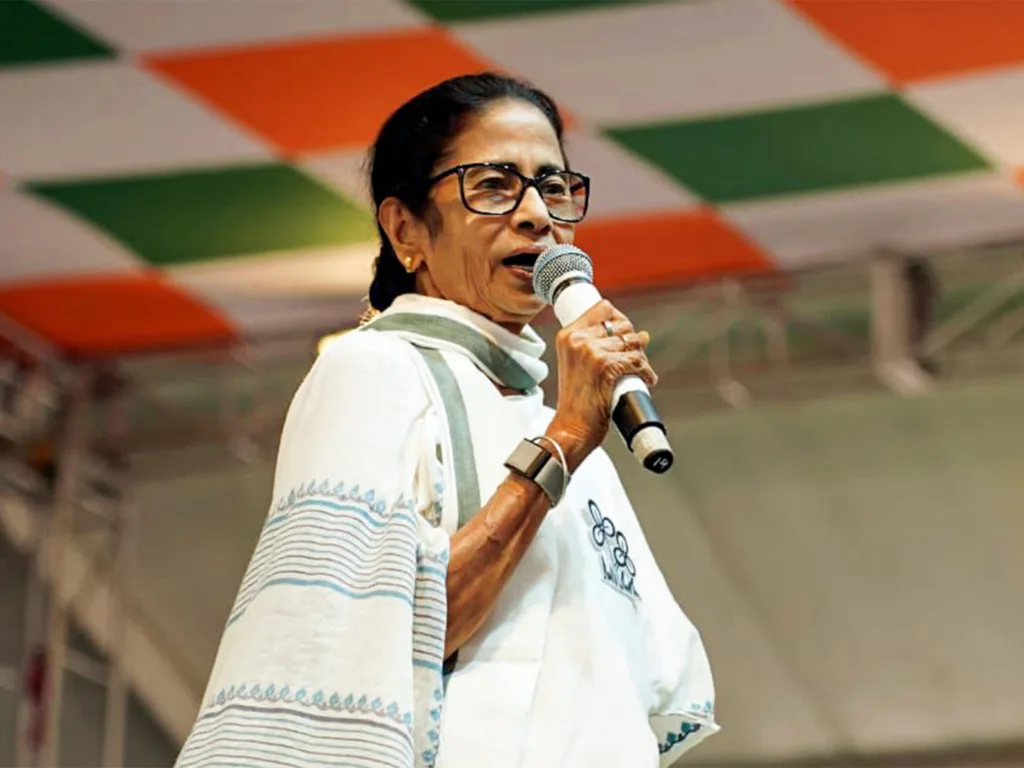
    Mamata Banerjee and CPI(M) General Secretary MA Baby spoke over the phone on September 25 after the Left leader wrote to Opposition parties seeking a joint response to developments concerning the Election Commission. (ANI)
    Mamata Banerjee and CPI(M) General Secretary MA Baby spoke over the phone on September 25 after the Left leader wrote to Opposition parties seeking a joint response to developments concerning the Election Commission. (ANI)

    Mamata CPI(M) outreach begins with the Election Commission row

    The immediate reason for the Mamata CPI(M) outreach is the controversy surrounding the SIR exercise and concerns raised by Opposition parties about the functioning of the Election Commission.

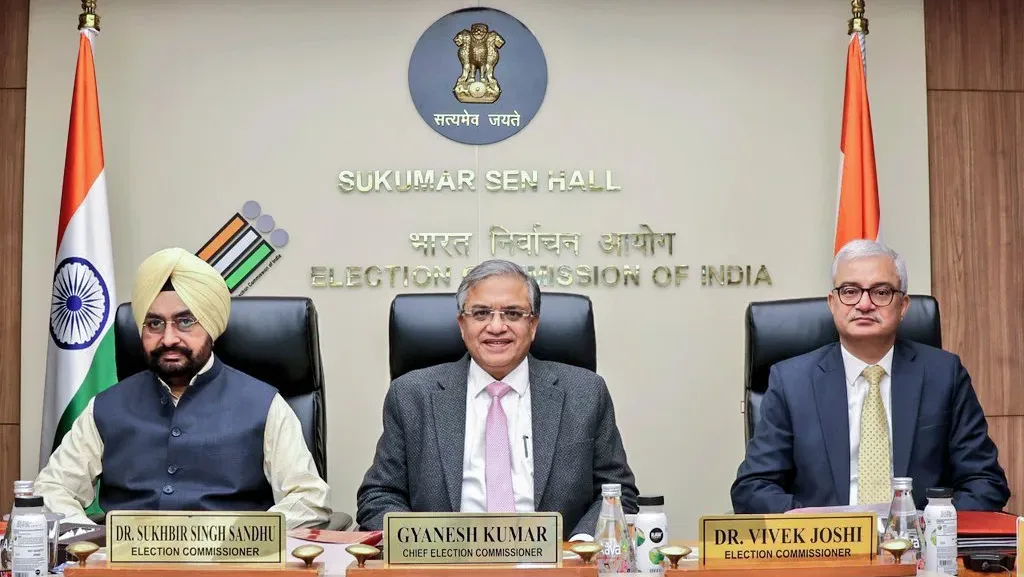
    The Indian Express reported that Election Commissioners Sukhbir Singh Sandhu and Vivek Joshi had recorded objections on multiple occasions over decisions related to the SIR process. The Election Commission acknowledged the existence of the written notes but described them as part of its decision-making process.

    Against this backdrop, Baby wrote to Banerjee and other Opposition leaders, calling for a meeting. Banerjee subsequently responded positively and spoke to Baby by phone.

    The CPI(M) has sought broader Opposition participation rather than limiting the initiative to its own party or the INDIA bloc. Baby told The Federal that the Left was looking for the widest possible cooperation among non-NDA parties on the issue.

    This explains why the present Mamata CPI(M) outreach is being viewed primarily through the lens of the Election Commission dispute rather than as a formal alliance announcement.

    Also Read | TMC rebel MLAs: Supreme Court sets October 8 timeline from Bengal Speaker
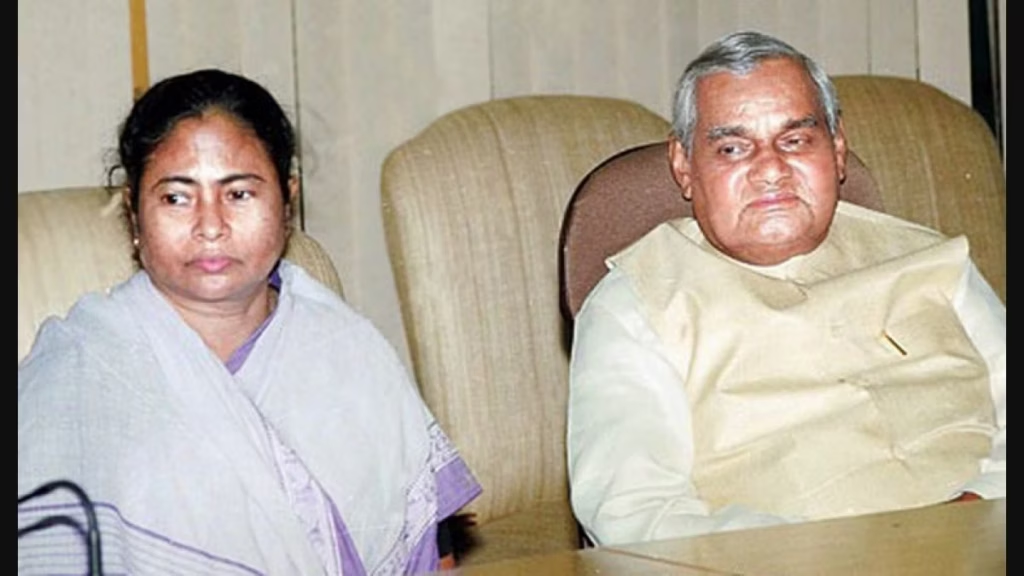
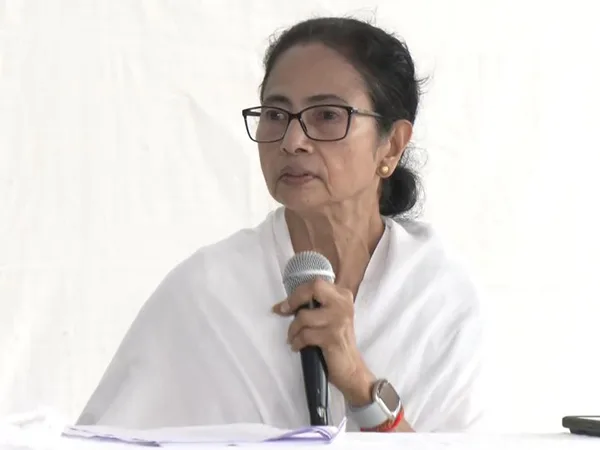
    The outreach between CPI(M) and the TMC is creating the fuss because the TMC took the help of the BJP to counter the very same Left Front government led by the CPI(M). (ANI)
    The outreach between CPI(M) and the TMC is creating the fuss because the TMC took the help of the BJP to counter the very same Left Front government led by the CPI(M). (ANI)

    Mamata-CPI(M) outreach revives an old political contradiction

    The latest contact between the two parties is notable because TMC and CPI(M) have spent years attacking each other in Bengal politics. Mamata Banerjee built the TMC as the principal political force challenging the Left’s long rule in the state, eventually defeating the CPM-led Left Front in 2011.

    The outreach between CPI(M) and the TMC is creating the fuss because the TMC took the help of the BJP to counter the very same Left Front government led by the CPI(M). The TMC-BJP alliance began shortly after Mamata Banerjee founded the Trinamool Congress (TMC) in 1998. Seeking to challenge West Bengal’s dominant Left Front, the TMC joined the BJP-led National Democratic Alliance (NDA).

    Between 1999 and 2006, the TMC remained a key NDA partner. Banerjee served as the Union Railway Minister and later the Coal and Mines Minister under Prime Minister Atal Bihari Vajpayee.

    The parties TMC and BJP jointly contested the 1998, 1999, and 2004 Lok Sabha elections, alongside the 2006 state assembly polls. Following electoral setbacks, the TMC exited the NDA in 2006. The former allies later became fierce regional rivals

    The political relationship remained adversarial with the CPI(M) after the TMC came to power. Even though both parties are part of the broader INDIA bloc at the national level, they have maintained separate political strategies in West Bengal.

    The present Mamata CPI(M) outreach therefore represents a tactical convergence on a specific issue rather than confirmation of a new electoral alliance.

    Political analyst Sumantra Bose, speaking to Open Magazine, argued that the SIR controversy and state-level electoral politics should be treated as separate questions. He said the developments concerning the Election Commission could provide grounds for cooperation between the two parties, while their interests in West Bengal remained substantially different.

    Bose also described both the CPM and Congress as parties that have been trying to rebuild their organisational presence in Bengal. His comments are an assessment of the state’s political situation, rather than evidence of a formal arrangement between the parties.

    Also Read | Mamata Banerjee sharpens attack on SIR, backs key Opposition moves
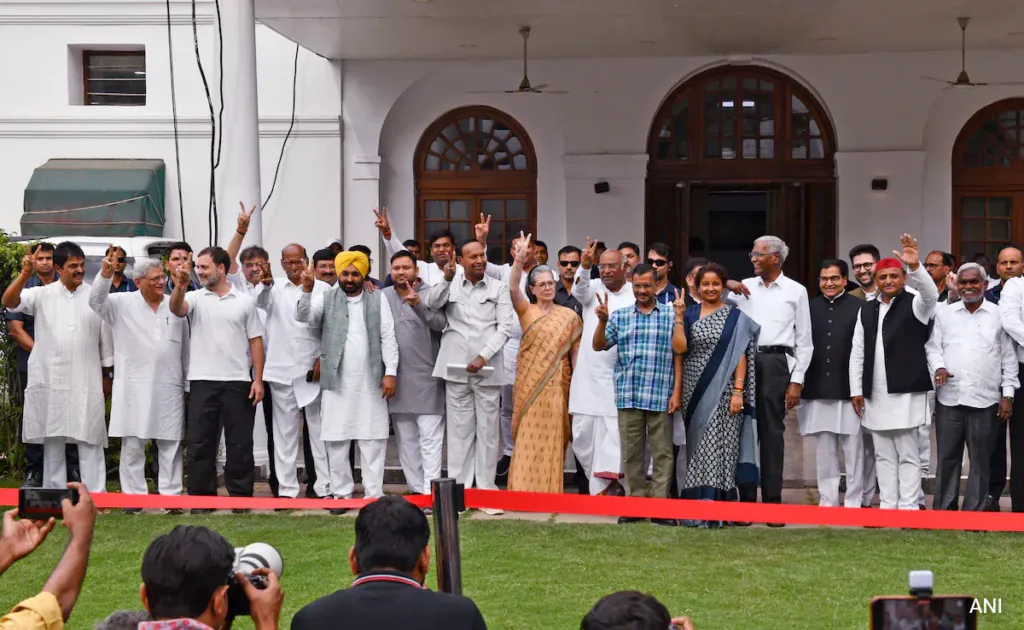
    The immediate political test for the Mamata CPI(M) outreach is likely to be the wider Opposition meeting scheduled in Delhi on September 30. (ANI)
    The immediate political test for the Mamata CPI(M) outreach is likely to be the wider Opposition meeting scheduled in Delhi on September 30. (ANI)

    What the Mamata CPI(M) outreach means for the INDIA bloc

    The immediate political test for the Mamata CPI(M) outreach is likely to be the wider Opposition meeting scheduled in Delhi on September 30. Banerjee and TMC MP Abhishek Banerjee are expected to attend the meeting, which is set to discuss the Election Commission and SIR.

    The CPI(M) has also reached out beyond the INDIA bloc. Baby said the Left had contacted several non-NDA parties as part of its effort to build a broader response to the Election Commission issue.

    For Banerjee, the immediate focus remains opposition to the Election Commission’s actions and the SIR process. She has publicly criticised Chief Election Commissioner Gyanesh Kumar and alleged large-scale deletions from electoral rolls, claims that remain part of the ongoing political dispute.

    The BJP, meanwhile, has criticised Banerjee’s engagement with the CPI(M). West Bengal minister Dilip Ghosh said the political circumstances had changed and accused Banerjee of seeking a larger role within the Opposition camp. Those remarks represent the BJP’s political interpretation of the development.

    It is not yet clear whether the Mamata-CPI(M) outreach remains confined to the Election Commission issue or develops into broader coordination in Bengal. For now, the evidence points to communication and issue-based cooperation, rather than a declared electoral alliance.

    The September 30 INDIA bloc meeting and subsequent protests are likely to provide a clearer indication of whether the current contact produces sustained coordination between the two long-time rivals.
  • Election Commission announces 9 key decisions amid internal concerns: What changes?

    Election Commission announces 9 key decisions amid internal concerns: What changes?

    The Election Commission of India (ECI) has announced nine decisions aimed at addressing concerns over the functioning of the three-member poll panel, including the management of electoral rolls, internal procedures and technology systems.

    The decisions came days after an investigation by The Indian Express reported that Election Commissioners Sukhbir Singh Sandhu and Vivek Joshi had recorded objections at least 14 times on issues linked to voter registration, deletion and restoration of names, appeals and electoral-roll systems.

    The ECI had earlier described these objections as “suggestions” and “inputs” arising during normal deliberations, while maintaining that key decisions over the past year had received the “unanimous” approval of the full Commission.

    What are the nine new ECI decisions?

    Following its latest meeting, the Commission issued a four-page note outlining several changes.

    Also Read | CEC vs 2 Election Commissioners: What happens when ECI members disagree?

    Agendas will now be circulated before Commission meetings, with minutes to be issued afterwards. Foreign travel by officers will require approval from the Commission. New IT modules and portals will first be examined by a committee of officers before being presented to the poll panel.

    Election Commission
    EC unveils changes to meetings, ECINet and electoral roll management | ANI

    The Commission also ordered a review of ECINet by a committee headed by a senior Deputy Election Commissioner. An independent expert from an IIT or IIIT will be part of the review.

    Field officers will receive additional flexibility where required, while directions issued by Commissioners to officers will be “meticulously complied with”.

    These measures correspond closely with concerns earlier recorded by Sandhu and Joshi regarding meeting procedures, foreign travel, IT systems and access to electoral-roll databases.

    Goa voter issue

    The Commission also addressed the case of 97 voters in Goa who, according to The Indian Express investigation, had been cleared by local officials but were missing from the final electoral roll.

    Election Commission
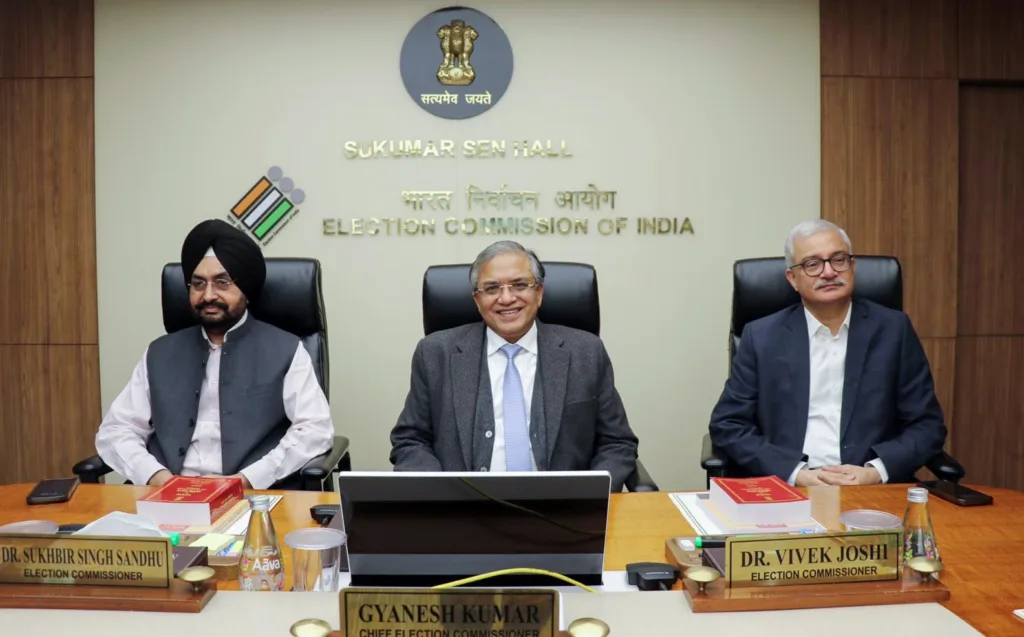
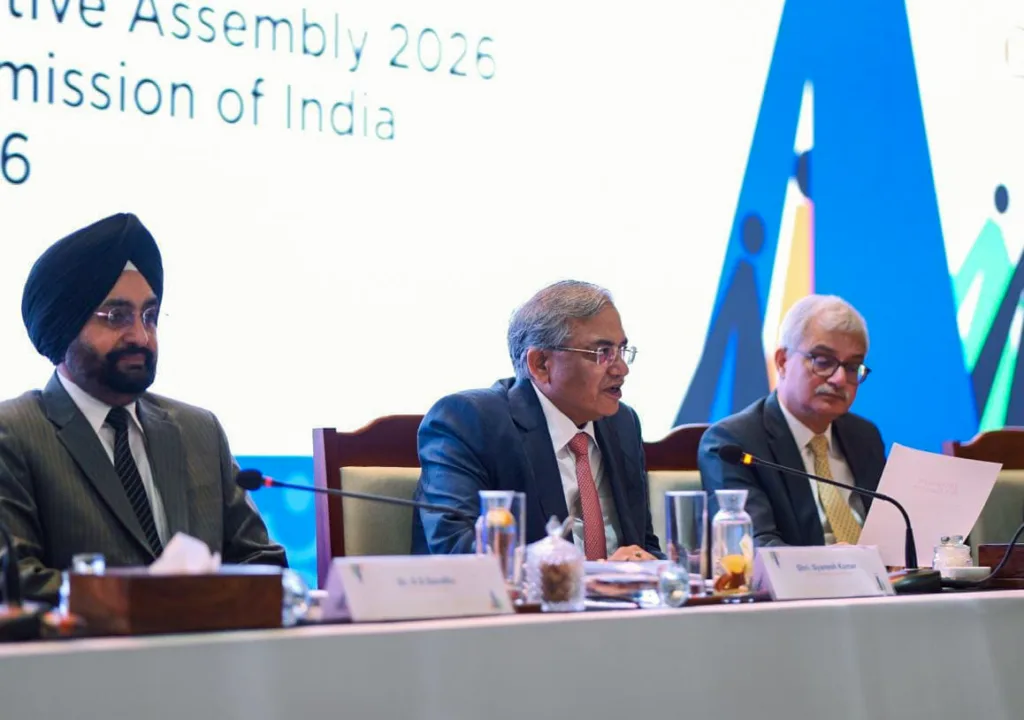
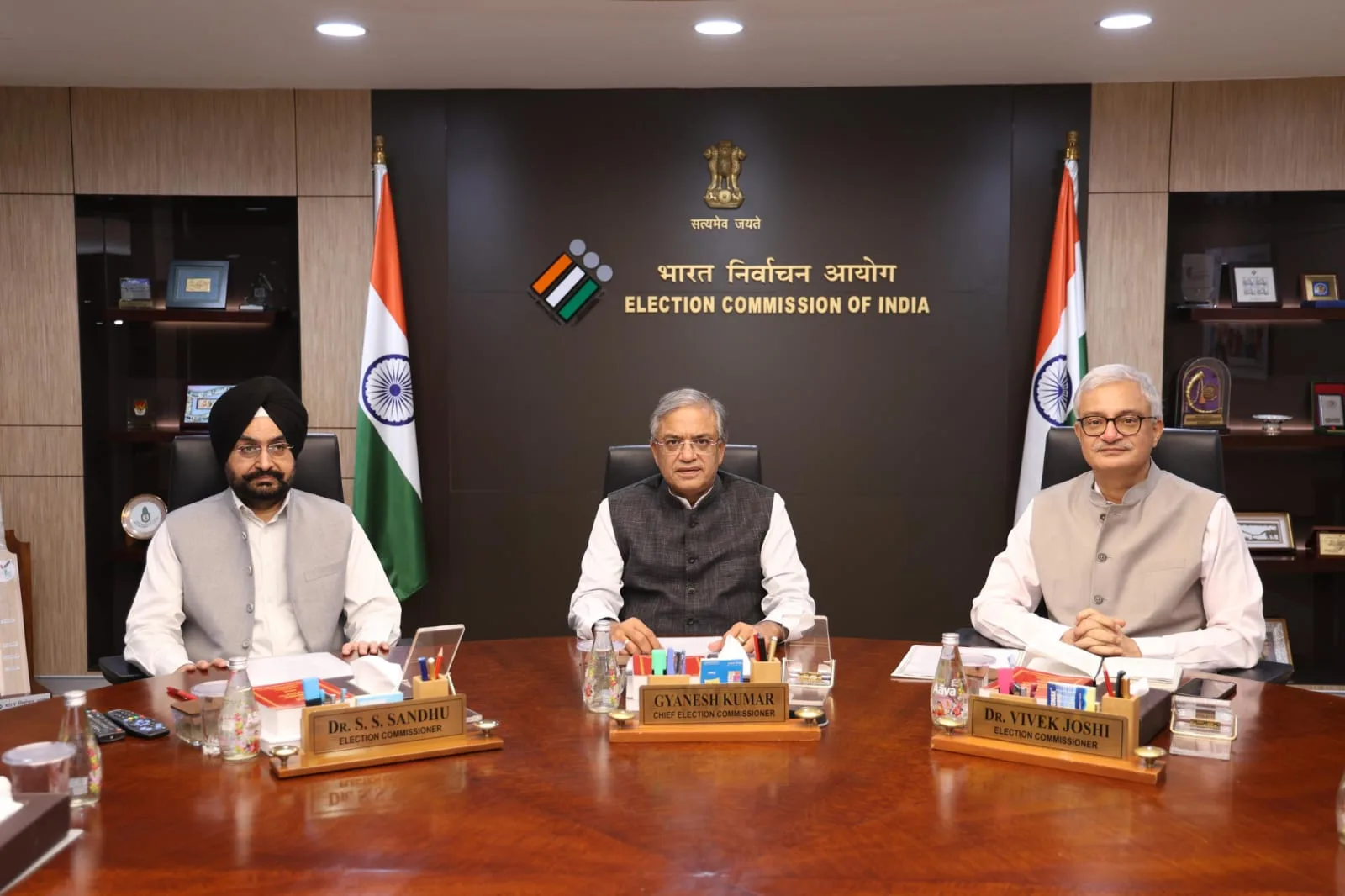
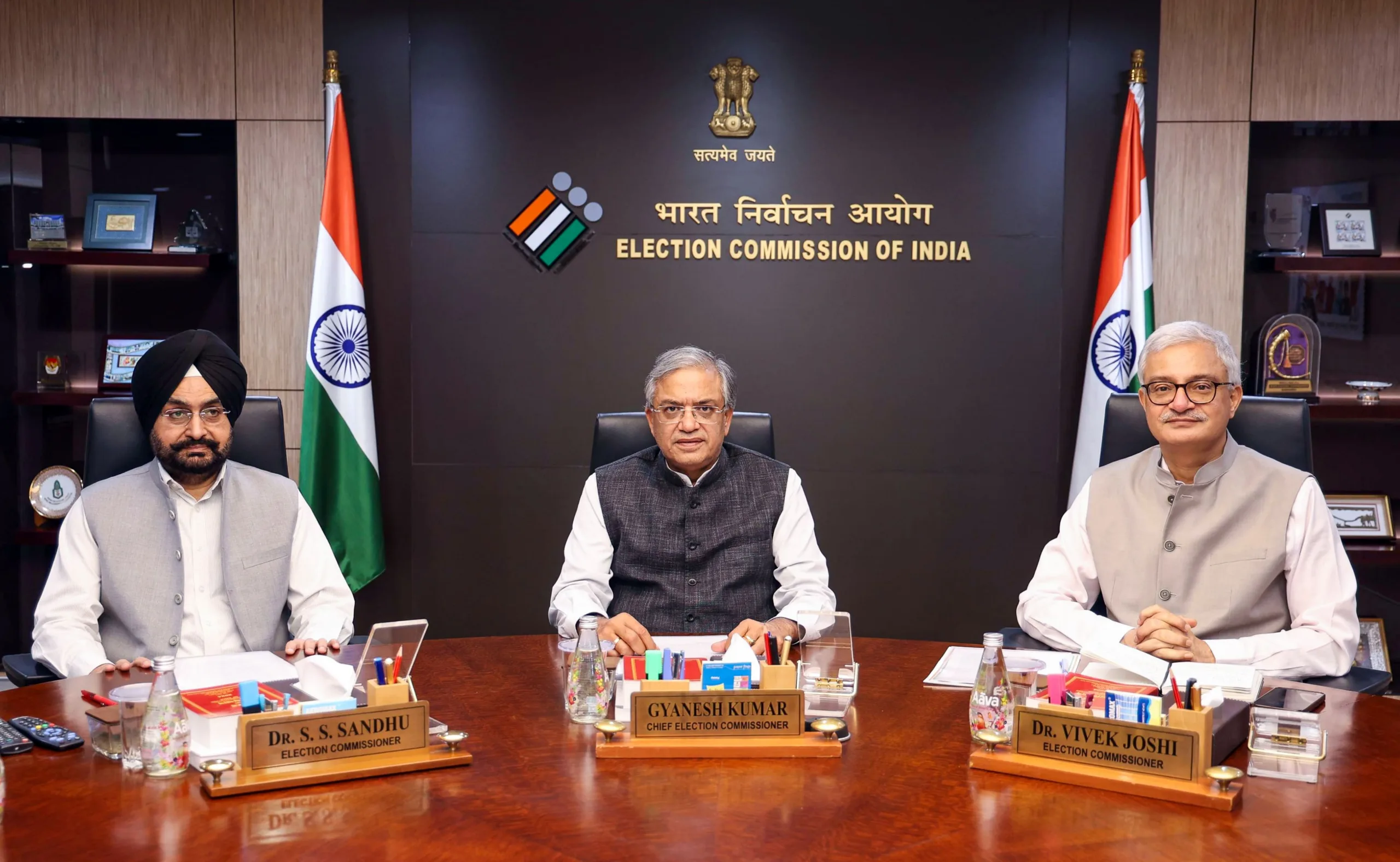
    Chief Election Commissioner Gyanesh Kumar with Election Commissioners Sukhbir Singh Sandhu, and Vivek Joshi | ANI

    The ECI said 81 of these voters have since submitted Form 6 and directed the Chief Electoral Officer (CEC) to facilitate their inclusion.

    What happens to Form 6?

    The changes around Form 6 remain less clear.

    The ECI said the form prescribed under the Registration of Electors Rules would apply outside the SIR period, reflecting the substance of Joshi’s May objection. However, his objection had specifically concerned the online ECINet form, where an additional question about an applicant’s parents appeared between sections J and K and prevented applicants from proceeding without answering it.

    Election Commission
    Election Commission decisions leave key Form 6 questions unresolved | ANI

    The latest note does not clarify whether that online question has been removed.

    Also Read | What is ERONET? The ECI software at the centre of the SIR row

    Questions that remain unanswered

    Several issues remain unresolved. The Commission has not explained who authorised appeals against voters whose inclusion had been ordered by judicial officers in West Bengal.

    It has also not clarified why Goa’s requested software facility for restoring voter names was not enabled, or addressed questions surrounding the roles of DG (IT) Seema Khanna and Senior Deputy Election Commissioner Maneesh Garg.

    The larger issue is how these decisions will change the Commission’s internal functioning. Whether the three Commissioners will now be involved more closely in decisions remains to be seen.

  • Election Commission’s 9 new decisions explained: What’s new and what isn’t

    Election Commission’s 9 new decisions explained: What’s new and what isn’t

    The Election Commission of India ECI has announced nine decisions aimed towards making electoral roll management and election administration more transparent and reliable. The announcements come days after reports revealed differences within the three-member Commission over decisions related to voter registration, deletion and restoration of names in electoral rolls.

    The Commission says these measures are designed to improve accountability and reduce confusion during voter list revisions. However, several existing procedures remain unchanged.

    Why did the Election Commission announce these decisions?

    The decisions follow scrutiny over the Commission’s functioning during the Special Intensive Revision (SIR) of electoral rolls. According to reports, two Election Commissioners had recorded objections multiple times over issues linked to voter verification and electoral roll management.

    The Commission has now introduced procedural changes while maintaining that its constitutional framework remains the same for maintaining transparency in the whole process.

    Electoral roll revision will become more transparent

    The ECI has decided that draft and final electoral rolls, along with reasons for additions, deletions and corrections, will be made available in a clearer and more accessible manner. This is meant to help voters understand why changes have been made to the rolls.

    Booth Level Officers will have stricter verification rules

    Booth Level Officers (BLOs) will follow a more structured verification process while checking voter details. The Commission says this is intended to ensure greater uniformity across states during voter verification exercises.

    Digital records of voter changes will be strengthened

    Every addition, substraction or any type of correction in the electoral roll will have a stronger digital trail. The move is aimed towards improving record and making future audits easier.

    Appeals process gets more clarity

    The Commission has clarified how voters can appeal if their names are deleted or restored. The process remains available under existing legal provisions. The electoral Commission has also said that the documentation and timelines will be communicated more clearly.

    Electoral Registration Officers get clearer responsibilities

    Further the Electoral Commision has also declared that the Electoral Registration Officers (EROs) will have defined responsibilities for handling claims, objections and corrections during electoral roll revisionsas a result which will help reducing ambiguity in decision-making.

    Better communication with political parties

    The ECI says recognised political parties will receive more regular information during electoral roll revision exercises so that they can raise objections or provide feedback within the prescribed timelines.

    Technology systems will have additional oversight

    The Commission plans for greater oversight of the digital systems used for maintaining the electoral rolls, with more improved monitoring of changes made through the software.

    Training for election officials will be expanded

    Officials who will be responsible for the voter registration and electoral roll revision will receive improvised training to ensure consistent implementation of rules across the country.

    Also Read | Mamata Banerjee sharpens attack on SIR, backs key Opposition moves

    Public disclosure of procedures will improve

    The ECI has said, it will publish clearer standard operating procedures and explanatory material so the voters could understand the electoral roll revision process.

    What has not changed?

    Despite the nine announcements, several key aspects remain unchanged:

    The constitutional powers of the Election Commission remain the same.

    The legal process for voter registration, subtrraction, addition and correction continues under the Representation of the People Act andover the existing election rules.

    Electoral roll revisions will still be carried out by Electoral Registration Officers. The Booth Level Officers will be responsible for conducting field verification.

    Why these decisions matter

    The announcements come at a time when the Election Commission is facing questions over the handling of electoral roll revisions in recent months. The Commission says the new measures are designed to increase transparency, improve record-keeping and make the voter verification process easier to understand for both common people and political parties as well.

    Also Read | Mobile retailers plan ‘No UPI Day’ on October 2; raise concern over UPI MDR

  • Mamata Banerjee sharpens attack on SIR, backs key Opposition moves

    Mamata Banerjee sharpens attack on SIR, backs key Opposition moves

    Trinamool Congress chief Mamata Banerjee has stepped up her criticism of the Election Commission and called for greater coordination among Opposition parties amid the ongoing Special Intensive Revision (SIR) controversy. Addressing a rally at Serampore in West Bengal’s Hooghly district on Saturday, Banerjee said an INDIA bloc meeting could be held in Delhi on September 30 to discuss the issue and decide the Opposition’s next course of action.

    The Mamata Banerjee SIR row has also brought the TMC closer to the CPI(M) on the specific issue of the Election Commission, despite the parties’ long-standing political rivalry in West Bengal. Banerjee said she had reached out to Congress leader Rahul Gandhi and argued that Opposition parties should come together over what she described as a common public issue.

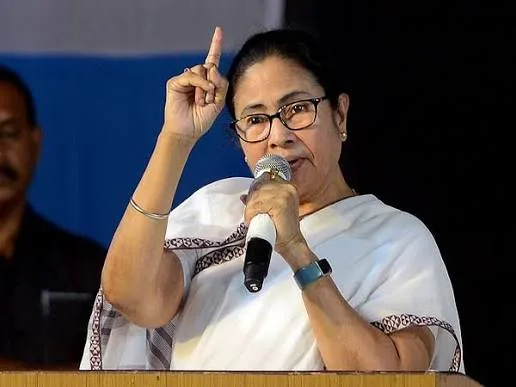
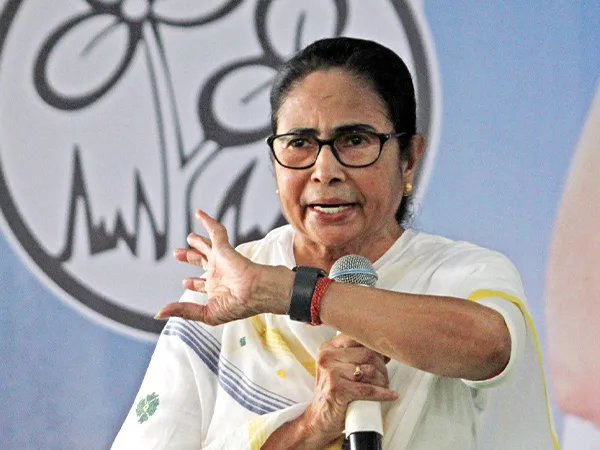
    Trinamool Congress chief Mamata Banerjee has stepped up her criticism of the Election Commission and called for greater coordination among Opposition parties amid the ongoing Special Intensive Revision (SIR) controversy. (ANI)
    Trinamool Congress chief Mamata Banerjee has stepped up her criticism of the Election Commission and called for greater coordination among Opposition parties amid the ongoing Special Intensive Revision (SIR) controversy. (ANI)

    Mamata Banerjee SIR row brings TMC and Left into talks

    The Mamata Banerjee SIR row has led to an unusual channel of communication between the TMC and CPI(M), two parties that have been major political opponents in West Bengal. CPI(M) general secretary M A Baby had written to Opposition leaders seeking discussions on concerns surrounding the Election Commission and the electoral process.

    According to reports, Banerjee and Baby also spoke over the phone on Friday. The discussions centred on the need for Opposition parties to coordinate their response to the controversy surrounding the poll panel and the SIR exercise.

    The proposed INDIA bloc meeting is expected to take place at the Constitution Club of India in New Delhi on September 30. India Today reported that senior Opposition leaders are expected to attend, although the final list of participants had not been confirmed as of September 26.

    The discussions come after reports of differences within the Election Commission over aspects of the SIR process. An Indian Express report said Election Commissioners Sukhbir Singh Sandhu and Vivek Joshi had raised objections on several occasions concerning decisions and orders linked to the exercise.

    Also Read | Prashant Kishor’s Jan Suraaj eyes Delhi after Bankipur bypoll win

    The Mamata Banerjee SIR row has led to an unusual channel of communication between the TMC and CPI(M), two parties that have been major political opponents in West Bengal. (ANI)
    The Mamata Banerjee SIR row has led to an unusual channel of communication between the TMC and CPI(M), two parties that have been major political opponents in West Bengal. (ANI)

    Mamata Banerjee SIR row puts Opposition unity in focus

    The Mamata Banerjee SIR row has given the Opposition an issue around which parties with otherwise different political positions are attempting to coordinate. At the Serampore rally, Banerjee said ideological differences should not prevent parties from joining hands when they are addressing what they consider common public concerns.

    “There is no need to see who is red, who is blue or who is yellow,” Banerjee said, referring to the different political identities within the Opposition. She said her focus would be on the issue rather than which party had raised it.

    The proposed September 30 meeting would come a day after the Congress Working Committee is scheduled to discuss the Election Commission issue. Opposition parties have also been discussing their response to Chief Election Commissioner Gyanesh Kumar and the SIR process.

    Banerjee has previously made stronger demands over the matter. On September 23, she sought fresh Assembly elections in West Bengal using the pre-SIR electoral rolls and called for action against Kumar, alleging irregularities in the electoral process. The Election Commission has disputed those claims in its position on the revision exercise.

    Also Read | Cyclone Arnab explained: Why it’s actually a deep depression

    The Mamata Banerjee SIR row has given the Opposition an issue around which parties with otherwise different political positions are attempting to coordinate. (ANI)
    The Mamata Banerjee SIR row has given the Opposition an issue around which parties with otherwise different political positions are attempting to coordinate. (ANI)

    Mamata Banerjee SIR row adds a new Bengal political equation

    The Mamata Banerjee SIR row has also opened a fresh line of communication between parties that have spent decades contesting each other in Bengal. The TMC ended the Left Front’s 34-year rule in 2011, while the BJP subsequently emerged as the principal challenger to the TMC in the state.

    The TMC and CPI(M), along with other Opposition parties, have separately maintained differences over electoral strategies and political priorities. The INDIA bloc itself was formed in 2023 ahead of the 2024 Lok Sabha elections, bringing together parties with varying ideological positions and competing regional interests.

    Against that background, coordination over the Election Commission represents a specific issue on which these parties are seeking common ground. Moneycontrol reported that Opposition parties were discussing a coordinated response and that the September 30 meeting could form part of wider efforts concerning the CEC and SIR.

    Banerjee also raised allegations concerning an attack on TMC leader Kunal Ghosh and claimed that leaders associated with her faction had faced restrictions while travelling to the Serampore rally. These allegations were made by Banerjee during her address and remain part of the broader political confrontation in Bengal.

    The immediate focus, however, remains the Election Commission and the SIR exercise. The proposed INDIA bloc meeting on September 30 is expected to allow Opposition parties to discuss their respective concerns and decide whether they can pursue a coordinated course of action. The Election Commission has maintained that differing views and observations can form part of institutional deliberations and has defended the legal basis of its orders.

    The Mamata Banerjee SIR row therefore continues to develop on two fronts, with the electoral-roll controversy driving Opposition coordination nationally while also creating a temporary point of engagement between long-time political rivals in West Bengal.