Tag: Election Commission SIR

  • Election Commission pushes SIR deadlines in 6 states and UTs; Delhi gets December 22 final roll date

    Election Commission pushes SIR deadlines in 6 states and UTs; Delhi gets December 22 final roll date

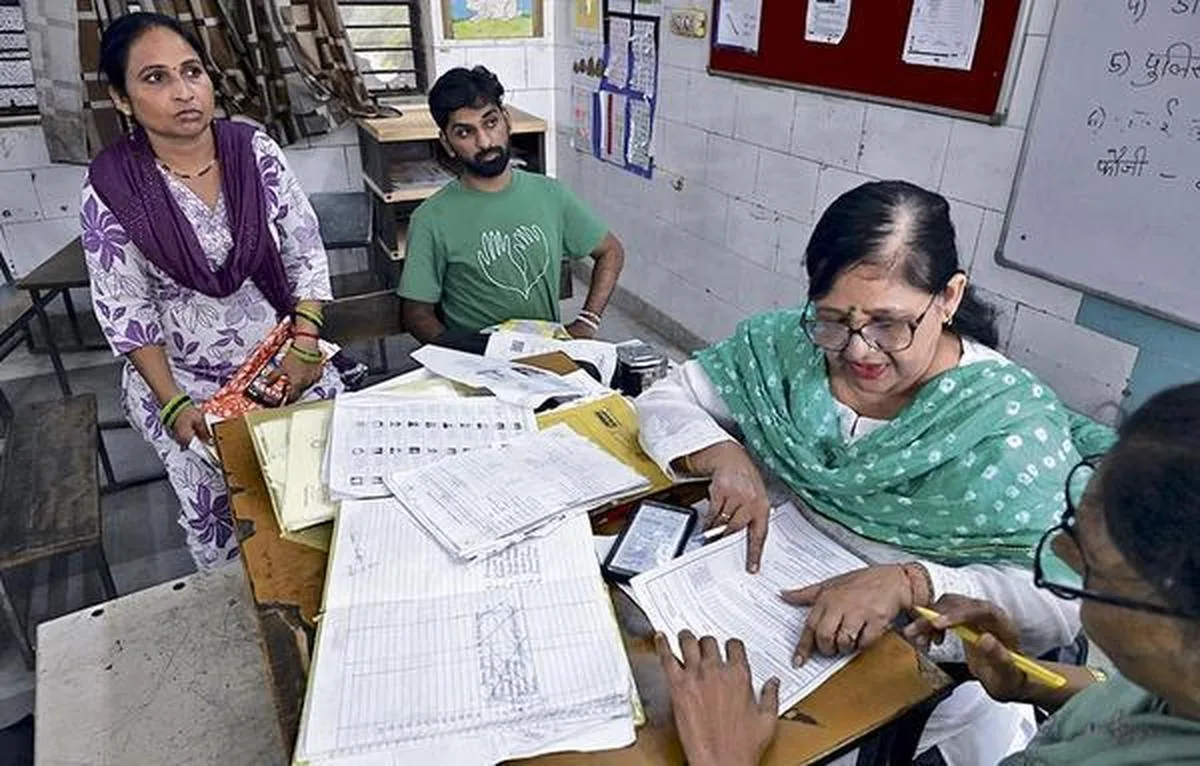
    The Election Commission has extended the schedule for the Special Intensive Revision (SIR) of electoral rolls in six states and Union Territories, including Delhi, following requests from the respective chief electoral officers. Under the revised schedule announced on Thursday, October 29, the final voter lists in Maharashtra, Haryana, Andhra Pradesh, Telangana and Nagaland will be published on November 30, while Delhi’s final electoral roll is now scheduled for December 22.

    The latest SIR timeline extension changes the deadlines for filing claims and objections as well as the disposal of applications. The poll panel has issued separate communications outlining the revised dates for the five states and Delhi as the electoral roll verification exercise continues.
    The Election Commission has extended the schedule for the Special Intensive Revision (SIR) of electoral rolls in six states and Union Territories, including Delhi, following requests from the respective chief electoral officers. (ANI)
    The Election Commission has extended the schedule for the Special Intensive Revision (SIR) of electoral rolls in six states and Union Territories, including Delhi, following requests from the respective chief electoral officers. (ANI)

    SIR timeline extension revises Delhi and Maharashtra deadlines

    Delhi has received a significant extension under the revised SIR schedule. The deadline for filing claims and objections has been moved from October 30 to November 25. The date for disposing of claims has also been extended from November 30 to December 15. The final electoral roll for Delhi will now be published on December 22.

    The SIR timeline extension in Maharashtra has also altered several key dates. The deadline for filing claims and objections, previously October 26, has been pushed to November 13. The period for issuing notices and disposing of claims will continue until November 25, with the final electoral roll scheduled for publication on November 30.

    Maharashtra’s draft electoral roll was published on August 31, while the disposal of claims had earlier been scheduled to conclude on November 10. The revised timetable gives the authorities additional time to complete the remaining stages of the process.

    Also Read | Hardeep Puri gets BJP’s Madhya Pradesh Rajya Sabha ticket
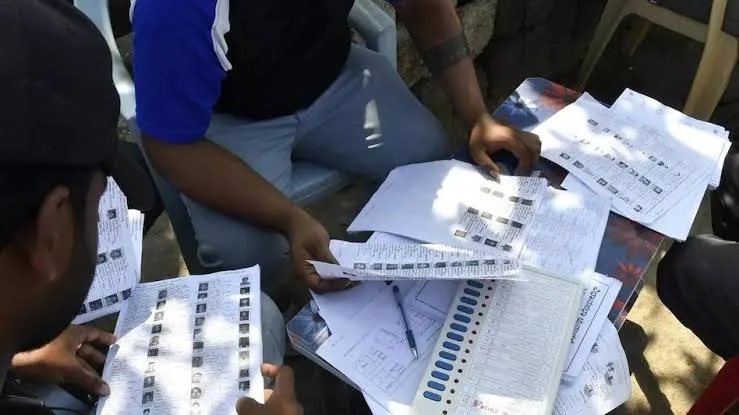
    Delhi has received a significant extension under the revised SIR schedule. The deadline for filing claims and objections has been moved from October 30 to November 25. (ANI)
    Delhi has received a significant extension under the revised SIR schedule. The deadline for filing claims and objections has been moved from October 30 to November 25. (ANI)

    Five states to publish final electoral rolls on November 30

    Apart from Delhi and Maharashtra, the Election Commission has revised the SIR schedule for Haryana, Andhra Pradesh, Telangana and Nagaland. The final electoral rolls in all five states, including Maharashtra, are now due to be published on November 30.

    The deadlines for disposing of claims and objections vary across the states. Haryana and Andhra Pradesh have been given until November 20, while Maharashtra and Nagaland have a deadline of November 25. Telangana’s disposal deadline has been set for November 26.

    The latest SIR timeline extension follows requests from the chief electoral officers concerned. The Commission has issued separate communications for the states and Delhi to reflect the changes.

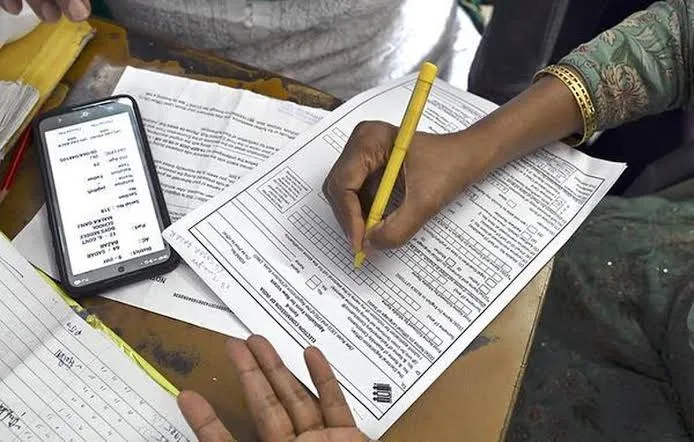
    The revision process involves updating and verifying electoral rolls through field-level checks. Claims and objections allow relevant entries to be examined before the final lists are published. The revised dates provide additional time for the authorities to complete these steps.

    Also Read | Ladakh’s liquor ban debate: 5 key issues Chief Secretary Ashish Kundra wants stakeholders to address
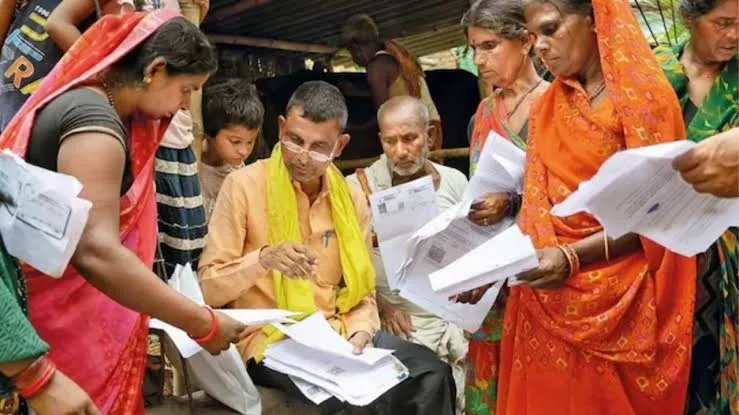
    Apart from Delhi and Maharashtra, the Election Commission has revised the SIR schedule for Haryana, Andhra Pradesh, Telangana and Nagaland. (ANI)
    Apart from Delhi and Maharashtra, the Election Commission has revised the SIR schedule for Haryana, Andhra Pradesh, Telangana and Nagaland. (ANI)

    SIR exercise enters another phase of nationwide revision

    Delhi and Maharashtra are part of Phase 3 of the Special Intensive Revision, which was launched on May 14. According to the schedule outlined in the report, completion of this phase would extend the exercise across the country, except for Himachal Pradesh, Jammu and Kashmir, and Ladakh.

    The SIR timeline extension is the latest in a series of schedule changes made during the electoral roll revision exercise. The process has faced repeated deadline adjustments for various reasons, with administrative and logistical requirements cited in the broader context of the revisions.

    The updated dates establish the next milestones for voters and election officials in the six states and Union Territories. In Delhi, the revised December 22 deadline is the key date to watch, while the five states with November 30 publication dates are expected to complete the process earlier.

    The Election Commission’s revised timetable will determine when the final electoral rolls become available after claims and objections have been processed.
  • Election Commission tells Supreme Court 3 key SIR orders were unanimous, seeks dismissal of petitions

    Election Commission tells Supreme Court 3 key SIR orders were unanimous, seeks dismissal of petitions

    The Election Commission has defended its decision-making process over the Special Intensive Revision (SIR) of electoral rolls, telling the Supreme Court that three key orders issued in 2025 and 2026 were adopted unanimously. In an affidavit filed on October 26, the poll body argued that petitions challenging the process relied on newspaper reports and should be dismissed.

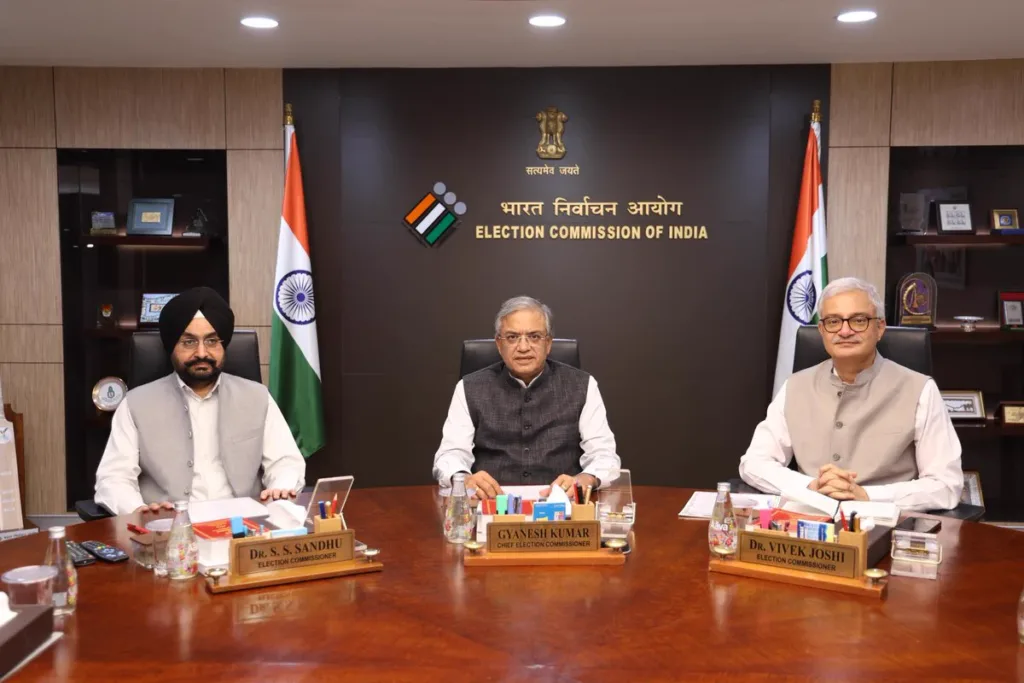
    The response comes amid allegations that Election Commissioners Sukhbir Singh Sandhu and Vivek Joshi had objected to certain decisions concerning the revision exercise and were not fully involved in the process. The Commission has rejected the suggestion that differences or queries raised during internal discussions amount to dissent over its final decisions.

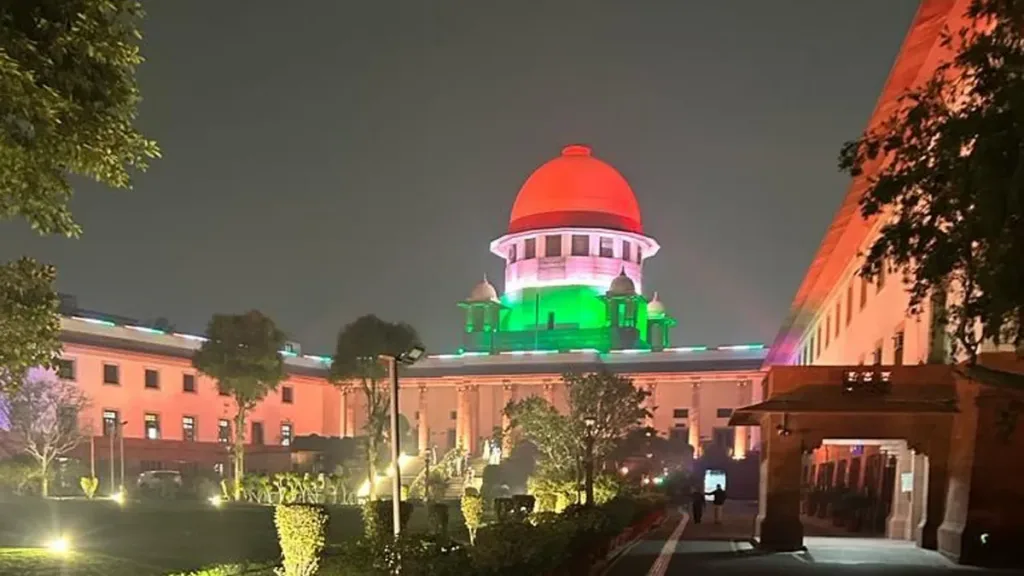
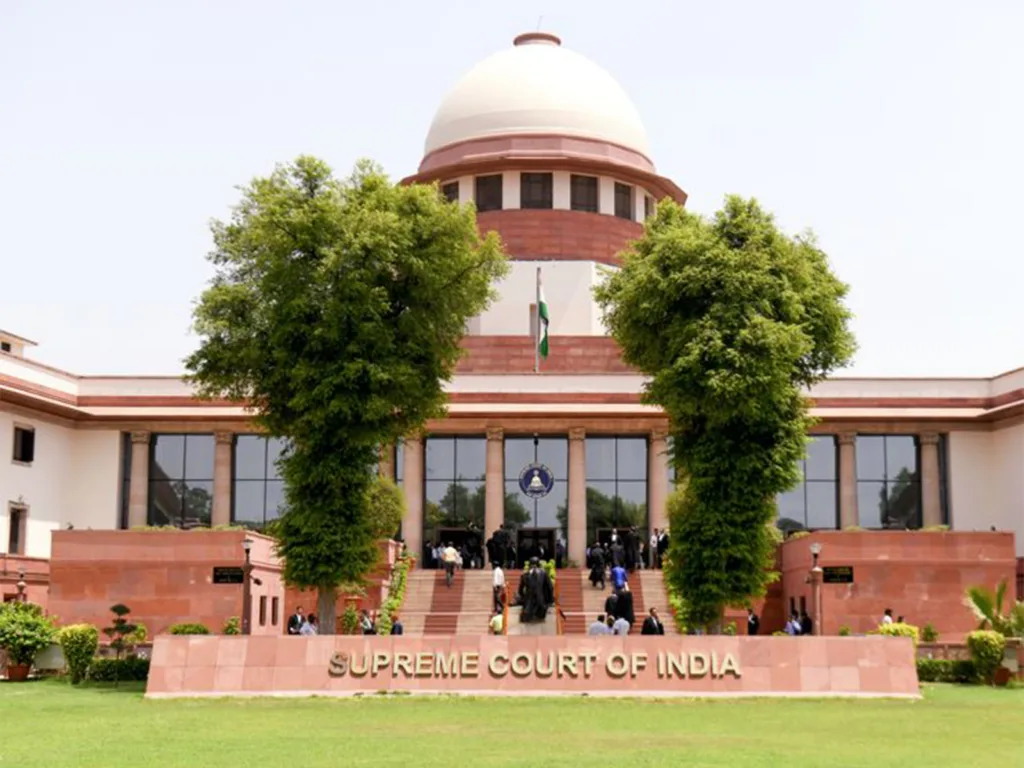
    The Supreme Court is scheduled to hear a batch of petitions on the controversy, including pleas filed by Congress leader Rahul Gandhi, opposition leaders Digvijaya Singh and Asaduddin Owaisi, among others.

    The Election Commission has defended its decision-making process over the Special Intensive Revision (SIR) of electoral rolls, telling the Supreme Court that three key orders issued in 2025 and 2026 were adopted unanimously. (ANI)
    The Election Commission has defended its decision-making process over the Special Intensive Revision (SIR) of electoral rolls, telling the Supreme Court that three key orders issued in 2025 and 2026 were adopted unanimously. (ANI)

    Election Commission’s SIR decisions were unanimous, affidavit says

    In its affidavit, the Commission said the three orders concerning the Election Commission’s SIR process, issued in June 2025, October 2025 and May 2026, were adopted unanimously.

    The poll body explained that files move through a sequence of review involving the two Election Commissioners and the Chief Election Commissioner. Suggestions, observations and queries raised by officials during this process are considered before a final decision is approved, it said.

    According to the affidavit, comments or questions raised while a file is under consideration should not be treated as the Commission’s final position. The Commission added that approved decisions are recorded in the relevant files, carry the signatures of the Commissioners and are subsequently notified and implemented by its secretariat.

    It also referred to Section 18 of the Chief Election Commissioner and Other Election Commissioners Act, 2023, arguing that individual observations made during internal deliberations do not, by themselves, constitute a decision of the Commission.

    The affidavit maintains that the petitions should not be entertained on the basis of media reports about alleged differences among the Commissioners.

    Also Read | UP man accused of murder stages own death with AI image, arrested

    In its affidavit, the Commission said the three orders concerning the Election Commission's SIR process, issued in June 2025, October 2025 and May 2026, were adopted unanimously. (ANI)
    In its affidavit, the Commission said the three orders concerning the Election Commission’s SIR process, issued in June 2025, October 2025 and May 2026, were adopted unanimously. (ANI)

    Poll body rejects allegations over Form 6 changes

    The Commission also addressed concerns about Form 6, the statutory form used by individuals seeking registration as new voters. It said none of the three SIR orders had resulted in changes to the prescribed Form 6.

    The affidavit clarified that the declaration form used alongside Form 6 during the Election Commission’s SIR exercise is a separate document introduced as part of the revision process. The Commission argued that the declaration form should not be confused with the statutory application for new voter registration.

    The controversy intensified after a report alleged that Election Commissioners Sukhbir Singh Sandhu and Vivek Joshi had been kept in the dark about certain decisions and had raised objections. The report also said they had complained to the Chief Secretary.

    The Commission’s affidavit presents a different account of the process, asserting that the views of the Commissioners are considered before decisions are finalised. The competing claims are now part of the wider legal dispute over the conduct of the electoral roll revision.

    Also Read | Why are people protesting against Siang Dam in Arunachal Pradesh?

    The Supreme Court is expected to hear seven petitions on October 27, 2026, concerning the Election Commission SIR controversy. (ANI)
    The Supreme Court is expected to hear seven petitions on October 27, 2026, concerning the Election Commission SIR controversy. (ANI)

    Supreme Court to hear petitions challenging SIR process

    The Supreme Court is expected to hear seven petitions on October 27, 2026, concerning the Election Commission’s SIR controversy. The petitioners include Rahul Gandhi, Digvijaya Singh, Asaduddin Owaisi and other opposition figures. Some pleas seek action against Chief Election Commissioner Gyanesh Kumar and challenge the manner in which the poll panel reached its decisions.

    On October 5, the court issued notice on the initial petitions and observed that it could not pass an order solely on the basis of a newspaper report without first hearing the respondents.

    The judges also indicated that if a decision by the Election Commission is found to be contrary to law, the court could annul it. The upcoming hearing will therefore be significant in determining how the court approaches the allegations and the Commission’s explanation.

    The proceedings are expected to examine the legal basis of the challenges, the evidence supporting the allegations and the Commission’s account of its internal decision-making. The outcome could clarify the extent of judicial scrutiny applicable to the SIR process and the decisions taken under it.

  • What are the flashpoints behind India’s growing debate over political legitimacy?

    What are the flashpoints behind India’s growing debate over political legitimacy?

    India’s political debate has increasingly centred on a question that goes beyond individual controversies: how much confidence do citizens place in the institutions responsible for elections, examinations, public administration and economic crisis?

    The latest flashpoint is the Election Commission of India’s Special Intensive Revision (SIR) of electoral rolls. An investigation by The Indian Express reported that Election Commissioners Sukhbir Singh Sandhu and Vivek Joshi recorded objections at least 14 times over 10 months on matters including voter registration, deletions, Form 6 and access to electoral-roll systems. The ECI has maintained that SIR and other decisions were approved unanimously.

    These competing accounts have fuelled a wider debate about institutional credibility. Political commentator Muqtedar Khan, writing in Frontline, describes this as a crisis of legitimacy. That is an analytical interpretation rather than an established institutional finding, but it reflects concerns that have become increasingly visible across several public controversies.

    India's political debate has increasingly centred on a question that goes beyond individual controversies: how much confidence do citizens place in the institutions responsible for elections, examinations, public administration and economic reporting? (ANI)
    India’s political debate has increasingly centred on a question that goes beyond individual controversies: how much confidence do citizens place in the institutions responsible for elections, examinations, public administration and economic reporting? (ANI)

    Crisis of legitimacy grows around electoral-roll questions

    The dispute over the Election Commission predates the current SIR exercise. Opposition parties have for years raised allegations about electoral roll changes and voting data, while the ECI has rejected claims of systematic manipulation.

    The latest controversy acquired greater significance after reports of internal objections within the Commission. The reported disagreements concerned issues including changes to voter-registration procedures, deletion and restoration of names and the centralisation of access to electoral-roll databases.

    The scale of SIR has added another dimension. The Indian Express reported that more than 13 crore names had been removed from draft rolls across 30 States and Union Territories during the exercise. These are draft-roll exclusions and do not necessarily represent permanent disenfranchisement, since claims, objections and restoration procedures remain available.

    The ECI has also announced measures including an ECINET review, easier hearings and extensions to certain deadlines, while reiterating that its decisions were unanimous.

    The Supreme Court has now agreed to hear a petition challenging aspects of the ECI’s functioning and the SIR process, adding a judicial dimension to the dispute.

    Also Read | Foral de Goa 1526, the charter behind Goa’s land legacy: Know all about 500 years of history

    The argument that India's crisis of legitimacy is broader than the ECI controversy draws on several recent episodes. (ANI)
    The argument that India’s crisis of legitimacy is broader than the ECI controversy draws on several recent episodes. (ANI)

    Crisis of legitimacy extends beyond the Election Commission

    The argument that India’s crisis of legitimacy is broader than the ECI controversy draws on several recent episodes. One is the NEET-UG 2026 paper-leak controversy, which triggered weeks of student protests and eventually culminated in Education Minister Dharmendra Pradhan’s resignation on July 25.

    The episode placed examination security and accountability under intense scrutiny. More recently, the National Testing Agency withheld the result of the son of a coaching-centre owner accused in the leak and barred him from the 2027 examination.

    Another contentious crisis concerns donations at the Ram Mandir in Ayodhya. An SIT investigation into alleged theft and misappropriation found lapses involving cash handling, CCTV monitoring, and recruitment, while eight people were arrested in June.

    By July, the SIT’s report had pointed to administrative and supervisory lapses while indicating that the alleged siphoning was linked to lower-level staff. The latest chargesheet has further detailed alleged diversion during the counting process, with investigators citing CCTV evidence and other material.

    These cases are different in nature and cannot automatically be treated as evidence of a single systemic failure. However, they have each generated questions about institutional oversight, accountability and the speed with which authorities respond to allegations.

    Also Read | 5 things to know about the Congress’s Rs 81.45 lakh payment to The Indian Express during the Bengal polls

    Foreign policy has similarly become an arena for competing interpretations of India's international position. (ANI)
    Foreign policy has similarly become an arena for competing interpretations of India’s international position. (ANI)

    Economic claims and foreign policy add to public debate

    The crisis of legitimacy argument also extends into the economic sphere, although here the evidence is more contested. India’s economy grew 7.8 percent in the April-June quarter of 2026, according to official data reported by Reuters, exceeding both the Reserve Bank of India’s projection and market expectations.

    That strong headline growth has nevertheless been accompanied by debates over employment, inflation, household pressures, and the reliability of economic measurements. These disagreements do not establish that official GDP data are false, but they show how economic statistics have become part of a larger argument over whether government narratives adequately reflect citizens’ lived experiences.

    Foreign policy has similarly become an arena for competing interpretations of India’s international position. The author’s analysis in Frontline argues that recent developments involving the United States, China and Pakistan have exposed limits to the government’s narrative of India’s expanding geopolitical influence. Such judgments remain matters of political and foreign-policy interpretation rather than settled facts.

    The broader question is therefore less about whether every controversy proves a crisis of legitimacy and more about how repeated disputes affect institutional trust. Electoral rolls, examination systems, religious institutions, and economic data operate differently, but confidence in each depends partly on transparency, accountability and credible mechanisms for correcting errors.

    For the government, opposition parties, and independent institutions alike, restoring confidence requires more than rebutting individual allegations. It requires processes through which disputed decisions can be examined, evidence can be independently assessed, and legitimate grievances can be addressed.

    The current debate over a crisis of legitimacy ultimately reflects that larger challenge. In a democracy, public trust cannot be assumed indefinitely. It is strengthened when institutions explain decisions clearly, acknowledge errors where they occur, and provide citizens with meaningful avenues for review and redress.