Tag: Delhi High Court

  • Saurav Das travel row: Centre confirms lookout circular in Delhi HC

    Saurav Das travel row: Centre confirms lookout circular in Delhi HC

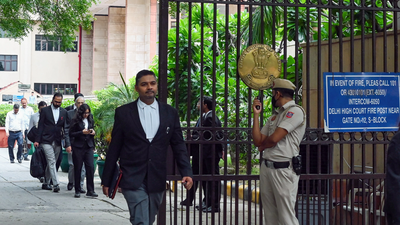
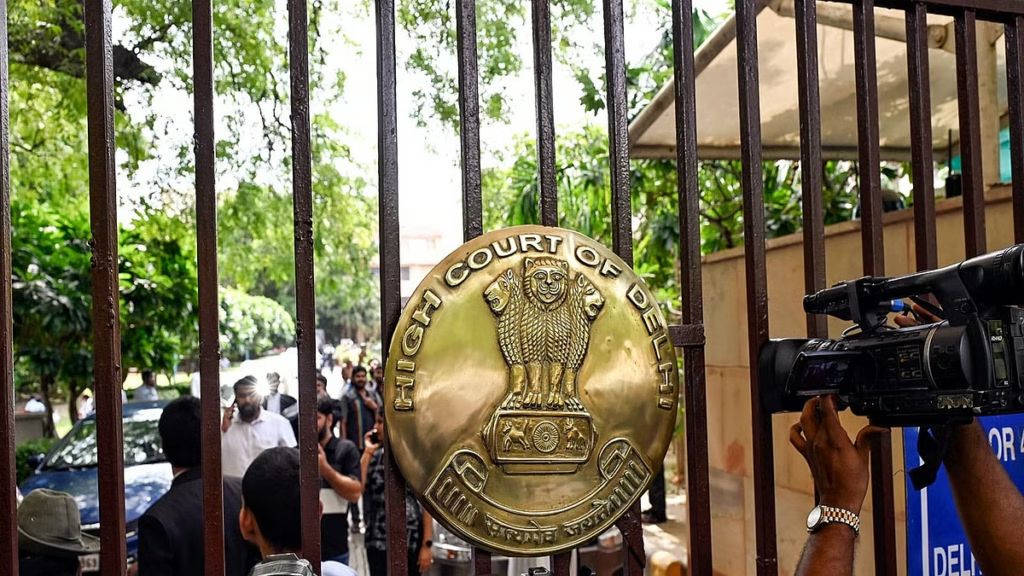
    The Centre has informed the Delhi High Court that a lookout circular (LOC) has been issued against activist Saurav Das, who was prevented from travelling to the United Kingdom after being stopped at Delhi airport. The disclosure came as the court heard Das’s challenge to the restrictions on his overseas travel.

    The government also told the court that certain discrepancies in Das’s passport could have implications for his Indian citizenship. However, his lawyer said they had not been informed that any LOC existed.

    Saurav Das was scheduled to travel to the UK to attend an event at Oxford University on November 27, where he was expected to speak about the so-called Cockroach Janta Party (CJP) movement. He approached the High Court after immigration officials stopped him before he could board his flight to London.
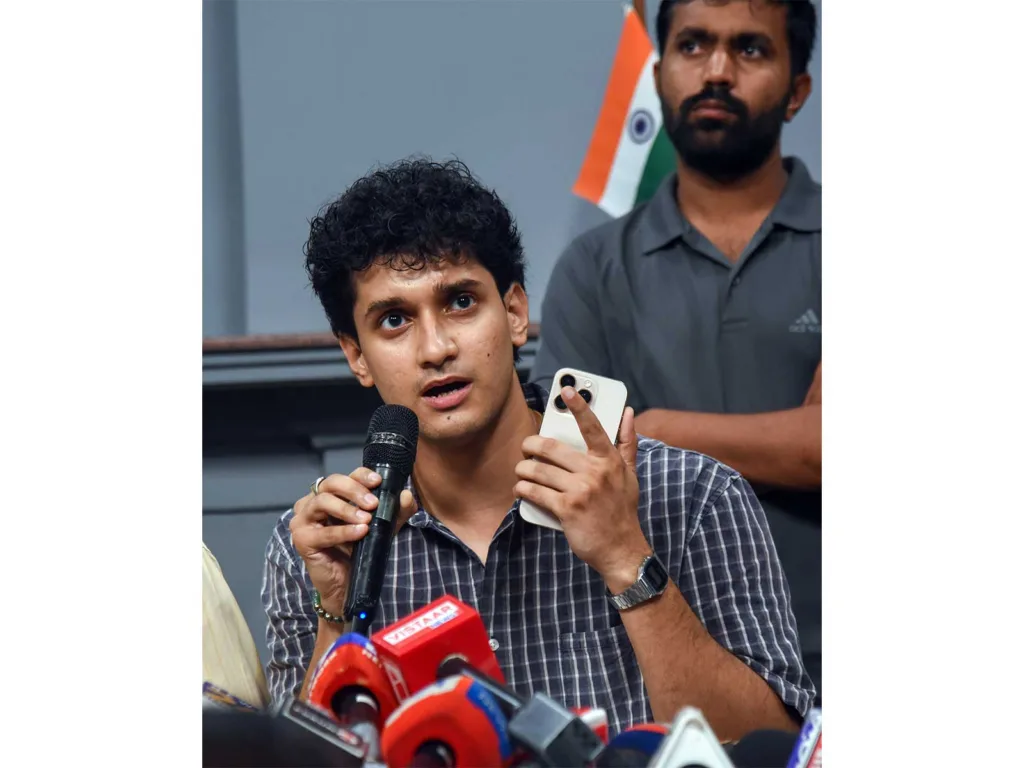
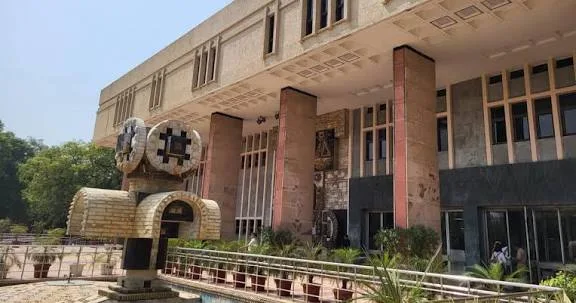
    The Centre has informed the Delhi High Court that a lookout circular (LOC) has been issued against activist Saurav Das, who was prevented from travelling to the United Kingdom after being stopped at Delhi airport. (ANI)
    The Centre has informed the Delhi High Court that a lookout circular (LOC) has been issued against activist Saurav Das, who was prevented from travelling to the United Kingdom after being stopped at Delhi airport. (ANI)

    Centre confirms Saurav Das LOC before Delhi High Court

    During the hearing, the Centre told the court that it had issued a lookout circular against Saurav Das. An LOC is an alert circulated by the Bureau of Immigration to authorities at airports and other designated entry and exit points. It can be used to prevent a person from leaving the country in connection with an investigation or legal proceedings.

    The confirmation of Saurav Das’s LOC became a significant aspect of the proceedings, as his lawyer maintained that they had not received information about such a measure. The government, meanwhile, raised concerns about discrepancies in the activist’s passport and suggested that these could affect the question of his Indian citizenship.

    An LOC can have serious consequences for an individual’s ability to travel internationally. In Das’s case, the dispute has raised questions about the basis of the travel restriction and the information communicated to him and his legal representatives.

    The Centre’s submission came after Das moved the High Court seeking relief over the circumstances in which he was stopped at the airport.

    Also Read | Constitution Day: Why November 26 matters in India’s history
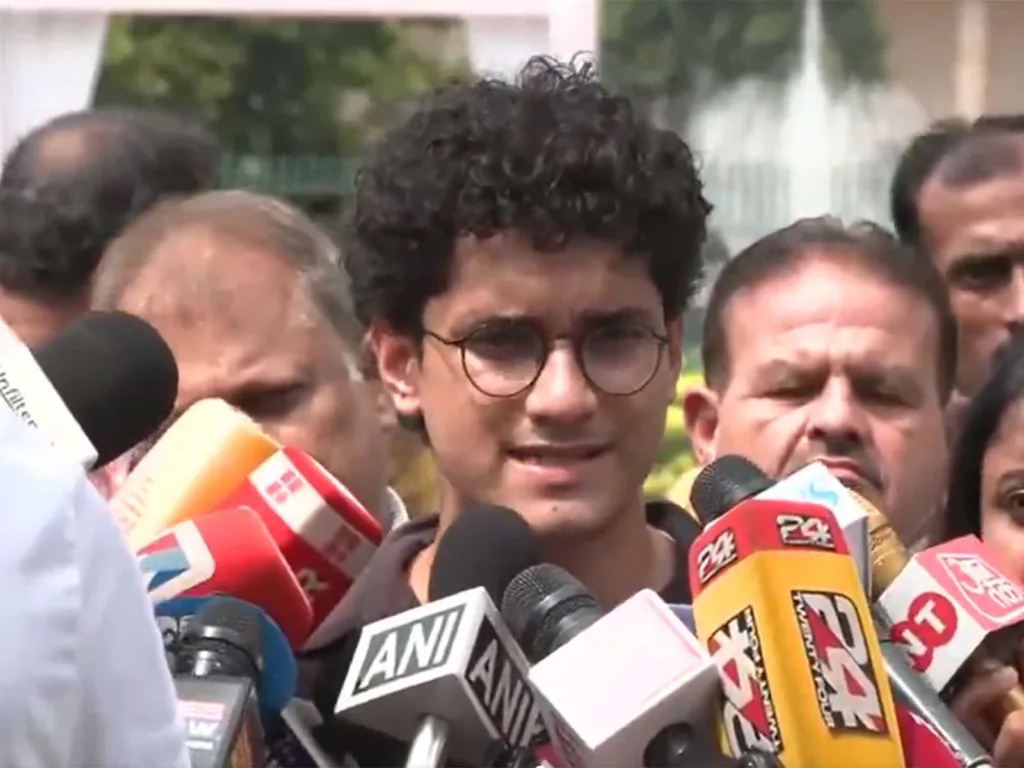
    During the hearing, the Centre informed the court that a lookout circular had been issued against Das. (ANI)
    During the hearing, the Centre informed the court that a lookout circular had been issued against Das. (ANI)

    Passport discrepancies and proposed UK visit

    The controversy began when Das was stopped at the immigration counter at Delhi airport while preparing to board his London-bound flight. He was scheduled to attend an Oxford University event on November 27.

    According to a briefing by the Ministry of External Affairs, the Regional Passport Office in Chennai had issued a notice to Das on Monday. The notice asked him to respond within seven days to discrepancies concerning his place of birth in his passport, following inputs from relevant authorities.

    Das subsequently approached the Delhi High Court. In a social media post on Monday night, he alleged that the government had prevented him from travelling because it wanted to stop him from addressing students at foreign universities.

    The Centre’s submissions have brought the passport issue and Saurav Das’s LOC into the same legal dispute. While the government has pointed to possible implications for his citizenship, Das’s legal team has questioned the lack of prior communication about the lookout circular.

    The immediate issue before the court is the challenge to the action that prevented him from leaving India. The passport notice and the government’s concerns over the recorded place of birth form part of the wider background to the dispute.

    Also Read | Delhi court revives 2012 Israeli Embassy blast case, takes cognisance of terror conspiracy
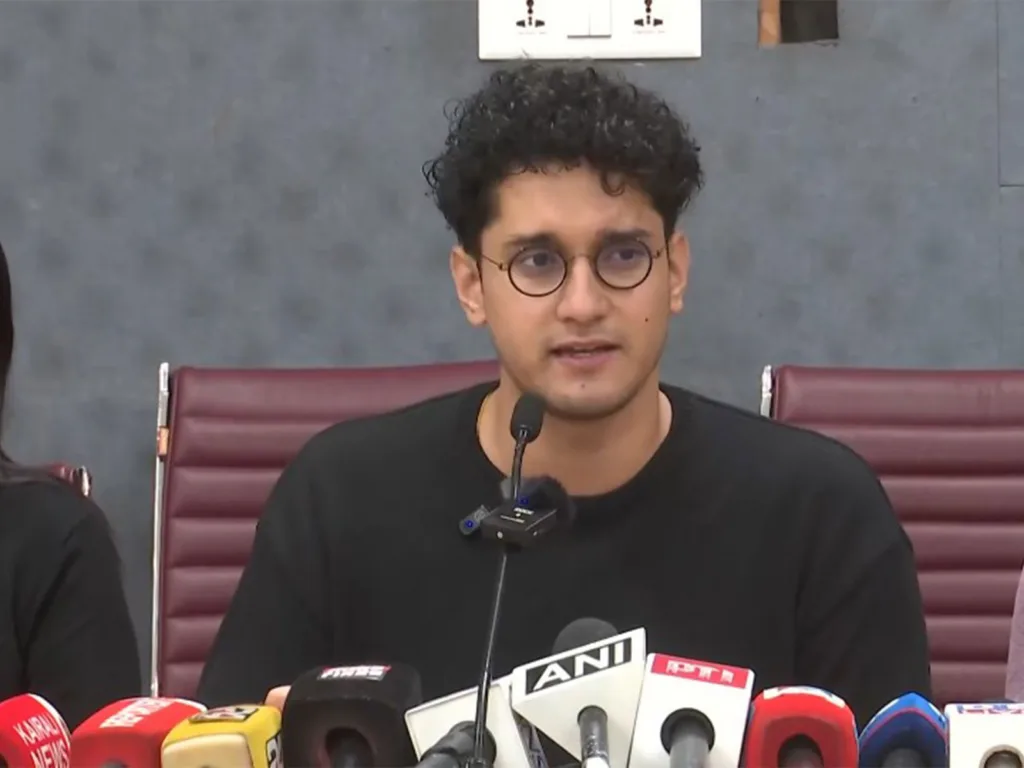
    The controversy began when Das was stopped at the immigration counter at Delhi airport while preparing to board his London-bound flight. (ANI)
    The controversy began when Das was stopped at the immigration counter at Delhi airport while preparing to board his London-bound flight. (ANI)

    Who is Saurav Das and what is the CJP movement?

    Das is among the prominent faces associated with the satirical political group Cockroach Janta Party, commonly known as CJP. The organisation describes itself as a platform representing young people and has drawn attention through its political messaging and public campaigns.

    CJP was created by Abhijeet Dipke, a Boston University graduate who returned to India and led a protest over the NEET examination paper leak in June. The protest subsequently became part of a wider political controversy that preceded the resignation of Union Education Minister Dharmendra Pradhan.

    Although CJP has not formally announced an association with any political party, its leaders have worked closely with Opposition figures, including members of the Congress. The group has faced criticism from the ruling BJP, which has accused it of functioning as a political front intended to influence young voters.

    Saurav Das’s LOC dispute has now brought the activist’s overseas travel plans and passport details before the Delhi High Court. The Centre’s position on the lookout circular and the alleged discrepancies will be central to the proceedings as the court considers his challenge.
  • Delhi High Court seeks alternatives to demolition of unsafe buildings during GRAP curbs

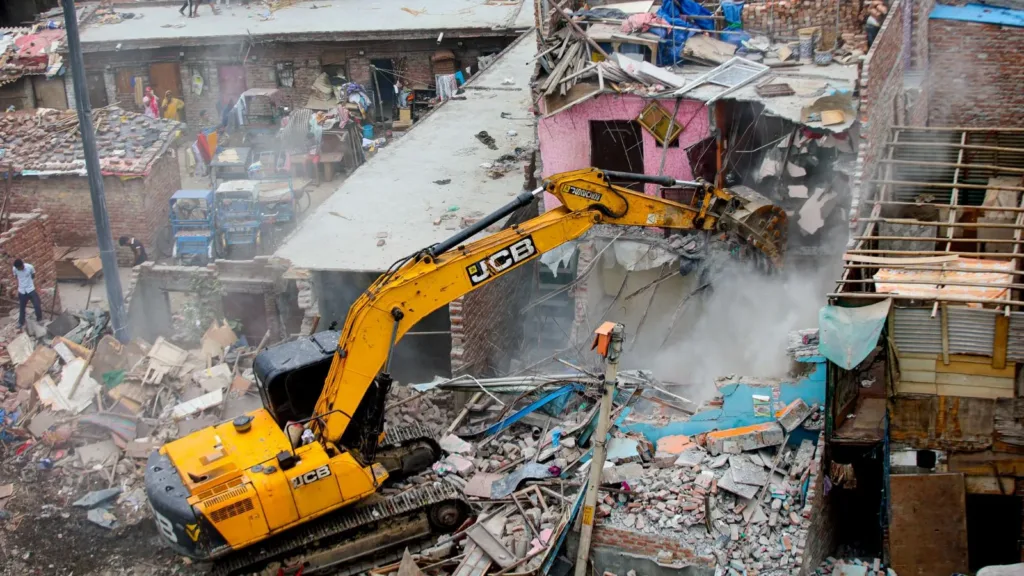
    Delhi High Court seeks alternatives to demolition of unsafe buildings during GRAP curbs

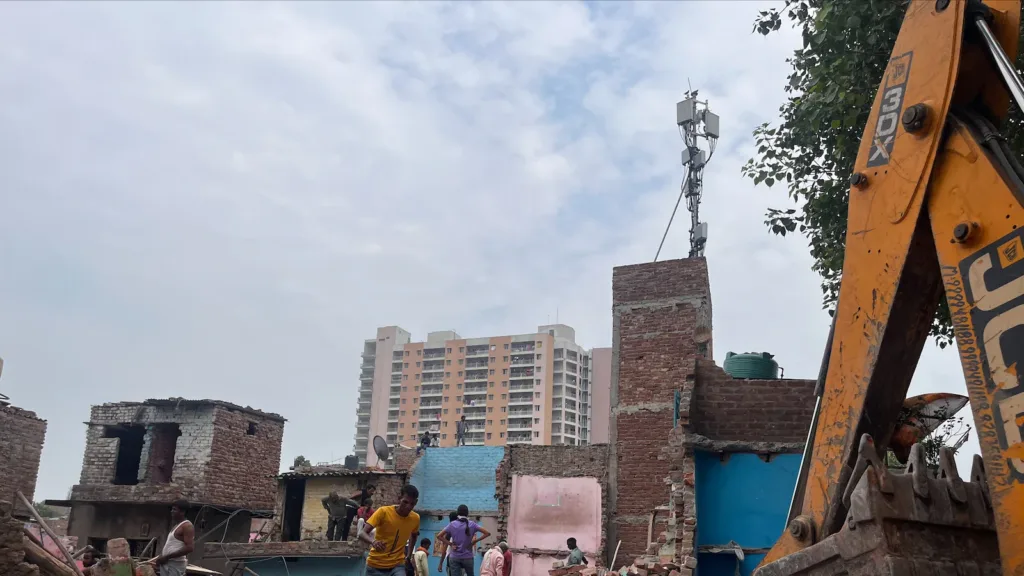
    The Delhi High Court has directed the Municipal Corporation of Delhi (MCD) to establish a high-powered committee to address the risks posed by dilapidated and structurally unsafe buildings during periods of air pollution restrictions. The committee will be constituted by the MCD commissioner in consultation with Chief Minister Rekha Gupta and will examine alternatives to demolition while restrictions under the Graded Response Action Plan (GRAP) remain in force.

    In an order passed on November 6, 2026, Justice Saurabh Banerjee said civic authorities could not ignore the threat posed by dangerous structures simply because demolition activities were restricted. The court asked the committee to be formed as soon as possible, preferably within a week, and noted that the existing restrictions prevented the removal of such buildings until February 10.

    The Delhi High Court has directed the Municipal Corporation of Delhi (MCD) to establish a high-powered committee to address the risks posed by dilapidated and structurally unsafe buildings during periods of air pollution restrictions. (ANI)
    The Delhi High Court has directed the Municipal Corporation of Delhi (MCD) to establish a high-powered committee to address the risks posed by dilapidated and structurally unsafe buildings during periods of air pollution restrictions. (ANI)

    Delhi High Court flags risks posed by dangerous buildings during GRAP

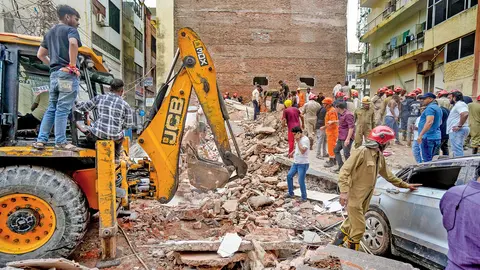
    Taking suo motu cognisance of the issue, the Delhi High Court highlighted the risks that unsafe buildings pose to occupants, property owners, passers-by and residents of neighbouring properties. Referring to recent building collapses in Delhi, including incidents at Satya Niketan and Chawri Bazaar, the court said it could not remain a mute spectator when human lives were at risk.

    The Delhi High Court observed that while GRAP directions had to be respected, the problem of unauthorised construction and structurally unsafe properties also required urgent attention.

    It noted that rampant unauthorised construction within its jurisdiction had serious consequences and could expose people to imminent and avoidable danger. The court’s observations came against the backdrop of multiple building collapse incidents that resulted in deaths and injuries.

    The direction is intended to address the immediate safety concerns surrounding dangerous buildings in Delhi without disregarding the anti-pollution restrictions currently in force.

    Also Read | India rejects 3 key allegations in Gurpatwant Singh Pannun’s lawsuit

    Taking suo motu cognisance of the issue, the High Court highlighted the risks that unsafe buildings pose to occupants, property owners, passers-by and residents of neighbouring properties. (ANI)
    Taking suo motu cognisance of the issue, the High Court highlighted the risks that unsafe buildings pose to occupants, property owners, passers-by and residents of neighbouring properties. (ANI)

    Committee to examine sealing, repairs and controlled demolition

    The Delhi High Court directed the MCD commissioner to constitute the committee in consultation with Chief Minister Rekha Gupta. It asked the panel to develop an effective alternative mechanism for dealing with buildings identified as dilapidated, structurally unsafe or dangerous during the GRAP restriction period.

    The proposed measures include sealing unsafe properties, carrying out necessary repairs and undertaking controlled demolition wherever required. The committee will examine these options to ensure that restrictions on regular demolition work do not leave people exposed to hazardous structures.

    The court passed the order while hearing a case involving a property that the MCD had found to be in a ruinous condition. The civic body had issued a notice under Section 348 of the Delhi Municipal Corporation Act, which deals with the removal of dangerous buildings.

    Emphasising the State’s responsibility to protect human life, the court said the right to life required authorities to take reasonable and effective measures against foreseeable dangers.

    It also cautioned the MCD against limiting its response to inspections and notices while leaving the underlying threat unresolved. The court said civic authorities could not avoid their responsibility until a collapse or another unfortunate incident occurred.

    Also Read | Bismillah Khan’s Varanasi home partially demolished: 3 key claims behind political row

    Delhi High Court referred to the September 6 collapse of a multi-storey building housing a boys' paying guest accommodation at Satya Niketan, near Delhi University's South Campus. (ANI)
    Delhi High Court referred to the September 6 collapse of a multi-storey building housing a boys’ paying guest accommodation at Satya Niketan, near Delhi University’s South Campus. (ANI)

    Satya Niketan collapse that killed 7 highlights urgency

    Delhi High Court referred to the September 6 collapse of a multi-storey building housing a boys’ paying guest accommodation at Satya Niketan, near Delhi University’s South Campus. The structure collapsed while repair work was underway, killing seven people and leaving several others injured.

    The following day, the court ordered a high-level MCD inquiry into the incident and made it clear that the government could not evade responsibility for the tragedy.

    The latest directions also come amid concerns over other building collapses, including the incident at Chawri Bazaar in Old Delhi. These incidents have renewed scrutiny of building safety, unauthorised construction and the enforcement of municipal regulations in the capital.

    The Delhi High Court directed that a copy of its November 6 order be forwarded to Chief Minister Rekha Gupta and the MCD commissioner. The matter has been listed for further hearing on January 20, 2027.

  • Delhi High Court backs visa denial to US sex offender

    Delhi High Court backs visa denial to US sex offender

    The Delhi High Court has upheld the Centre’s decision to deny an Indian visa to a US citizen of Indian origin who was convicted of a sexual offence in the United States. The Court said the government has the authority to prevent individuals convicted of such offences from entering the country, stressing that granting a visa is a sovereign function of the State.

    Justice Amit Mahajan was hearing a petition filed by Dhanraj Rajendra Patel, who was born an Indian citizen but later acquired US citizenship after renouncing his Indian citizenship. Patel had challenged the repeated rejection of his applications for an entry visa to India.

    The Delhi High Court noted that visa decisions involve considerations of national security, foreign policy and administrative discretion. It consequently refused to interfere with the government’s decision.

    The Delhi High Court has upheld the Centre’s decision to deny an Indian visa to a US citizen of Indian origin who was convicted of a sexual offence in the United States. (ANI)
    The Delhi High Court has upheld the Centre’s decision to deny an Indian visa to a US citizen of Indian origin who was convicted of a sexual offence in the United States. (ANI)

    Delhi High Court says visa issuance is a sovereign function

    The Delhi High Court observed that the issuance of a visa cannot be treated as an automatic entitlement, even when an applicant has personal or family ties to India. The Court emphasised that the government has considerable discretion in deciding who may be permitted to enter Indian territory.

    Justice Amit Mahajan noted Patel’s conviction as a sex offender in the United States while examining the government’s decision. The Court held that the authorities were within their rights to prevent him from entering India.

    The ruling underlines the distinction between citizenship rights and visa rights. Since Patel had surrendered his Indian citizenship after acquiring US nationality, his attempt to return to India was governed by the applicable visa and immigration framework.

    Also Read | India bullet train delayed again: Why the Mumbai-Ahmedabad project is stuck

    The Delhi High Court observed that the issuance of a visa cannot be treated as an automatic entitlement, even when an applicant has personal or family ties to India. (ANI)
    The Delhi High Court observed that the issuance of a visa cannot be treated as an automatic entitlement, even when an applicant has personal or family ties to India. (ANI)

    Patel had earlier travelled to India on an e-visa

    Patel had travelled to India in December 2022 after obtaining an e-visa. However, on reaching Indira Gandhi International Airport in Delhi, he was intercepted by immigration authorities and subsequently deported to Dubai.

    He later made several applications seeking an entry visa to India. According to the petition, those applications were returned, following which Patel approached the Delhi High Court.

    Patel argued that the authorities had not given adequate reasons for rejecting his applications. He also claimed that he should be allowed to obtain an entry visa because he was married to an Indian citizen.

    The Delhi High Court, however, did not accept this argument. The Court’s reasoning placed greater emphasis on the government’s authority over entry into the country and Patel’s criminal conviction in the US.

    Also Read | INDIA bloc protest: 5 moments that turned Rahul Gandhi’s march into a standoff

    While considering Patel's plea, the Delhi High Court also took note of his failure to disclose that he had previously approached the Gujarat High Court regarding the denial of his entry into India and cancellation of his e-visa. (ANI)
    While considering Patel’s plea, the Delhi High Court also took note of his failure to disclose that he had previously approached the Gujarat High Court regarding the denial of his entry into India and cancellation of his e-visa. (ANI)

    Delhi High Court also noted earlier legal proceedings

    While considering Patel’s plea, the Delhi High Court also took note of his failure to disclose that he had previously approached the Gujarat High Court regarding the denial of his entry into India and cancellation of his e-visa.

    The omission was another factor considered by Justice Mahajan while examining the challenge to the government’s decision.

    The case, titled Dhanraj Rajendra Patel & Anr v. Union of India & Ors, ultimately resulted in the Delhi High Court upholding the denial of an Indian visa to Patel.

    The ruling reinforces the principle that entry into India by a foreign national remains subject to the government’s immigration and security considerations. The Delhi High Court’s observations also make clear that family connections to India do not, by themselves, create an enforceable right to obtain an Indian visa.

    The case also highlights the wide discretion available to the executive in matters concerning the admission of foreign nationals into the country, particularly where national security, public interest or the applicant’s criminal background is relevant.

  • Delhi High Court says POCSO cases cannot be settled by family

    Delhi High Court says POCSO cases cannot be settled by family

    The Delhi High Court has made it clear that criminal proceedings involving sexual offences against children cannot be brought to an end simply because the survivor or her family has settled with the accused. Justice Sachin Datta passed the order while hearing a petition filed by a 49-year-old accused seeking to quash proceedings under the Protection of Children from Sexual Offences (POCSO) Act following a purported compromise with the minor survivor.

    The Delhi High Court was informed that the trial had already reached the stage of recording prosecution evidence. The accused had approached the court after a settlement was reached with the minor survivor following intervention by her family.

    Justice Datta dismissed the petition on September 22, observing that allowing the proceedings to be quashed based on such a compromise would undermine the purpose of the law and the interests of justice.

    The Delhi High Court has made it clear that criminal proceedings involving sexual offences against children cannot be brought to an end simply because the survivor or her family has reached a settlement with the accused. (ANI)
    The Delhi High Court has made it clear that criminal proceedings involving sexual offences against children cannot be brought to an end simply because the survivor or her family has settled with the accused. (ANI)

    Delhi High Court explains why POCSO settlement cannot end case

    The Delhi High Court said that a child victim or the victim’s family cannot privately compromise an offence registered under the POCSO Act. The court treated the nature of the alleged offence as central to its decision.

    According to the order, the accused was facing allegations of aggravated penetrative sexual assault against a child while allegedly being in a position of trust or authority. The allegations relate to an incident in 2022.

    The court referred to the legal position laid down by the Supreme Court concerning the High Court’s power to quash criminal proceedings. That power, the order noted, cannot ordinarily be used to terminate proceedings involving heinous and serious offences, including sexual offences.

    The Delhi High Court observed that permitting a compromise in such circumstances would give private settlement an effect that the law does not recognise for such offences.

    The court also emphasised the wider implications of offences involving sexual violence against children. Unlike disputes that primarily concern private rights, criminal offences under the POCSO framework are treated as matters carrying consequences beyond the individuals directly involved.

    Also Read | Amazon joins India’s quick-commerce race with a $3 billion war chest

    India Space Force: Why India may need a separate space command? (ANI)
    India Space Force: Why India may need a separate space command? (ANI)

    Accused sought quashing during prosecution evidence

    The petition before the Delhi High Court was filed by the accused while the trial was already underway. The prosecution had reached the stage of recording evidence when the accused sought to have the criminal proceedings quashed based on the settlement.

    The court rejected that request, holding that the stage of the proceedings was another relevant consideration. Quashing the case after the prosecution had begun presenting its evidence, merely because the parties had subsequently reached an agreement, would not be consistent with the purpose of the statute, the court said.

    The case involves allegations under provisions including Section 6 of the POCSO Act. The order also referred to Sections 376 and 506 of the Indian Penal Code in describing the offences alleged in the case.

    The Delhi High Court’s ruling does not amount to a determination of guilt in the underlying criminal trial. The allegations against the accused remain matters for adjudication through the trial process.

    The decision instead addresses whether a settlement between the accused and the child survivor or her family can provide a basis for ending the criminal proceedings.

    Also Read | India Space Force: Why India may need a separate space command?

    The Delhi High Court therefore declined to interfere with the ongoing trial and dismissed the petition seeking quashing of the proceedings. (ANI)
    The Delhi High Court therefore declined to interfere with the ongoing trial and dismissed the petition seeking quashing of the proceedings. (ANI)

    Court stresses wider impact of child sexual offences

    In its order, the Delhi High Court underlined that sexual offences against children are treated differently from disputes that can ordinarily be resolved through compromise between private parties.

    Justice Datta noted that the Supreme Court’s jurisprudence limits the circumstances in which High Courts can exercise their inherent powers to quash criminal proceedings based on settlements.

    The court stated that a settlement between a victim and an offender in cases involving heinous sexual offences has no legal sanction. It also pointed to the alleged position of trust or authority involved in the case while describing the accusations as serious.

    The ruling reinforces the distinction between criminal proceedings that can legally be compounded or quashed in appropriate circumstances and offences where the law attaches wider societal consequences.

    For cases under the POCSO Act, the ruling means that an agreement reached between a survivor’s family and an accused cannot, by itself, provide a legal route to terminate prosecution for serious sexual offences against a child.

    The Delhi High Court therefore declined to interfere with the ongoing trial and dismissed the petition seeking quashing of the proceedings. The case will continue through the criminal justice process, where the evidence and allegations will be examined in accordance with law.