Tag: Delhi AQI

  • Delhi’s Diwali pollution data reveals PM2.5 levels 60 times above national limit

    Delhi’s Diwali pollution data reveals PM2.5 levels 60 times above national limit

    Delhi’s missing pollution readings from Diwali night have revealed an extreme spike in fine particulate matter, with PM2.5 concentrations reaching 3,744 micrograms per cubic metre (µg/m³) at one monitoring station. The Delhi Pollution Control Committee (DPCC) released the hourly figures around 8pm on Monday, November 9, after several readings had been missing from the Central Pollution Control Board’s (CPCB) records.

    The highest concentration was recorded at Mundka at 2am on November 9, exceeding 60 times the national 24-hour PM2.5 standard of 60 µg/m³. The newly released Delhi Diwali PM2.5 data has also raised questions about the accuracy of the official air quality assessment, as the published AQI did not fully reflect the severity indicated by the missing hourly readings.
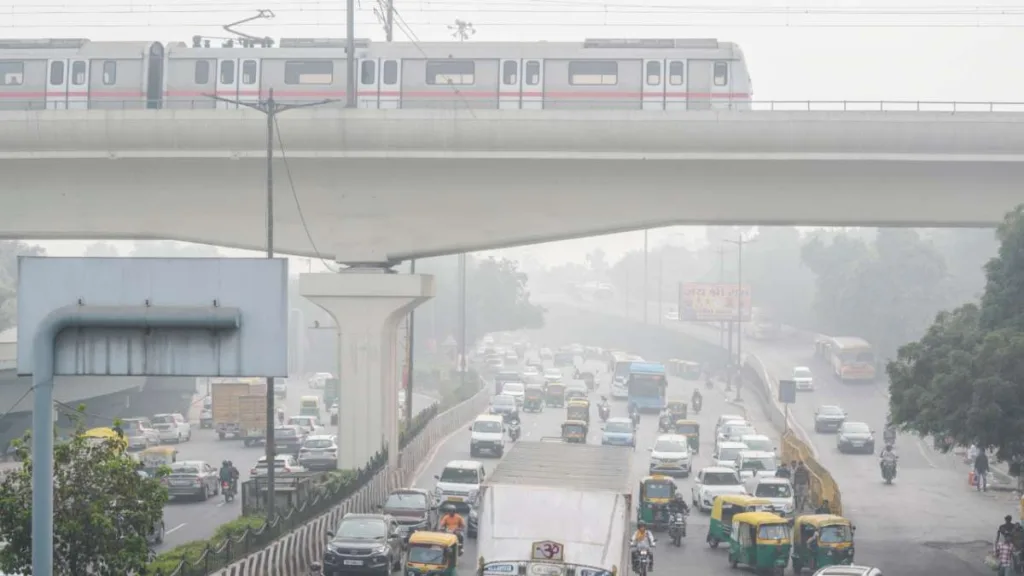
    Delhi's missing pollution readings from Diwali night have revealed an extreme spike in fine particulate matter, with PM2.5 concentrations reaching 3,744 micrograms per cubic metre (µg/m³) at one monitoring station. (ANI)
    Delhi’s missing pollution readings from Diwali night have revealed an extreme spike in fine particulate matter, with PM2.5 concentrations reaching 3,744 micrograms per cubic metre (µg/m³) at one monitoring station. (ANI)

    Delhi Diwali PM2.5 data records extreme pollution at 11 stations

    The DPCC readings show that several monitoring stations recorded PM2.5 concentrations above 2,000 µg/m³ during the early hours of November 9. Mundka registered the highest reading at 3,744 µg/m³ at 2am, followed by JNU at 3,023 µg/m³ at 4am and NSUT’s West Campus at 3,008 µg/m³ at 5am.

    Other high readings included 2,908 µg/m³ at Mandir Marg at 3am, 2,808 µg/m³ at Nehru Nagar at 3am and 2,721 µg/m³ at Wazirpur at 1am. In total, 11 DPCC monitoring stations recorded concentrations exceeding 2,000 µg/m³.

    The figures highlight the intensity of the pollution episode after Diwali celebrations. PM2.5 consists of fine particles that can penetrate deep into the respiratory system. Firecracker emissions can add substantially to the particulate matter already present in the atmosphere.

    Also Read | Delhi records decade-high Diwali Eve pollution as AQI threatens to enter severe zone
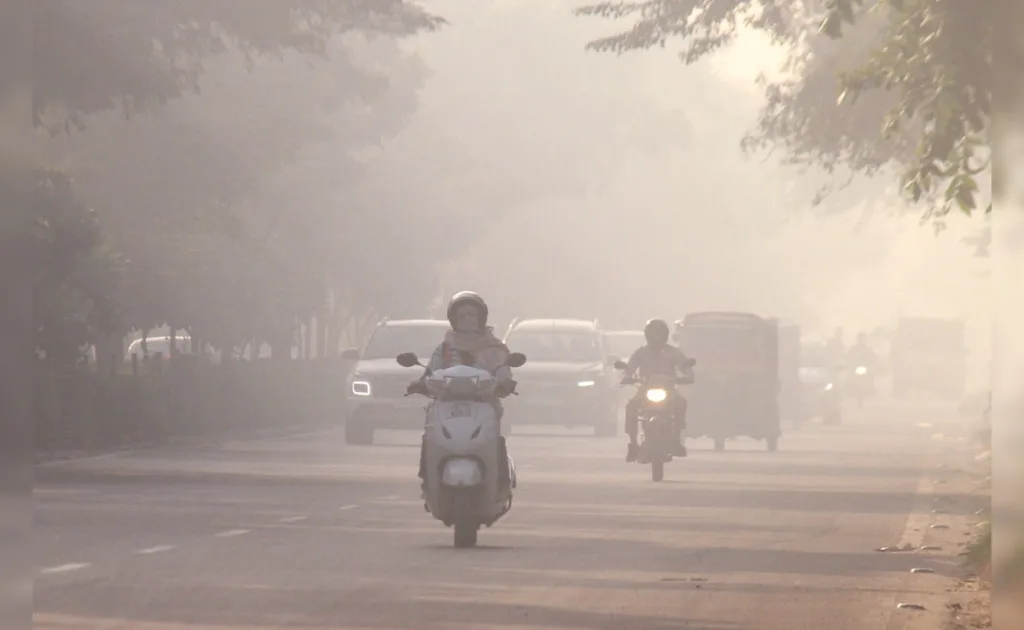
    The DPCC readings show that several monitoring stations recorded PM2.5 concentrations above 2,000 µg/m³ during the early hours of November 9. (ANI)
    The DPCC readings show that several monitoring stations recorded PM2.5 concentrations above 2,000 µg/m³ during the early hours of November 9. (ANI)

    Missing CPCB readings raise questions over Delhi’s official AQI

    The latest Delhi Diwali PM2.5 data follows an earlier report by Hindustan Times that several monitoring stations had stopped displaying hourly PM2.5 readings as pollution worsened on November 8. At 1am on November 9, 36 of Delhi’s 59 monitoring stations had no PM2.5 reading in CPCB’s records.

    The newly released DPCC figures show that all 125 station-hour readings missing from CPCB’s records were above 1,000 µg/m³. Where both agencies had recorded readings, the figures matched. However, the highest PM2.5 concentration appearing in CPCB’s records for the night was 1,000 µg/m³.

    Hindustan Times estimated that including the released readings would put Delhi’s AQI for the 24 hours up to 9am on November 9 at around 384, compared with the CPCB’s published figure of 370. For its 4pm bulletin, the recalculated estimate was approximately 360, against the reported 344.

    The difference indicates that missing data affected the assessment, although the impact on the AQI was limited by the index’s calculation method. The AQI hourly sub-index reaches its maximum of 500 once PM2.5 concentrations cross approximately 420 µg/m³. Consequently, readings running into thousands do not increase the hourly index proportionately.

    Also Read | Delhi pollution alert: 5 key changes as schools shift primary classes to hybrid learning
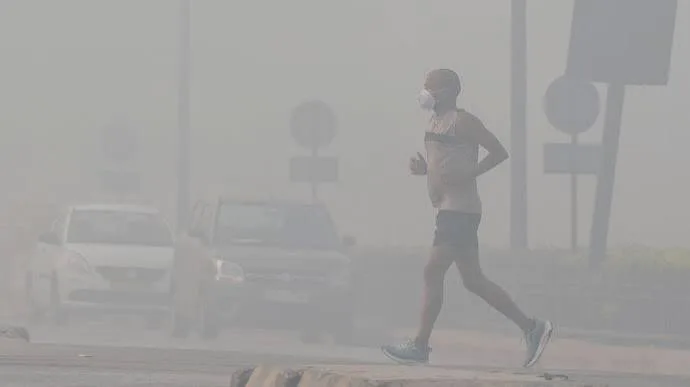
    The newly released DPCC figures show that all 125 station-hour readings missing from CPCB's records were above 1,000 µg/m³. Where both agencies had recorded readings, the figures matched. (ANI)
    The newly released DPCC figures show that all 125 station-hour readings missing from CPCB’s records were above 1,000 µg/m³. Where both agencies had recorded readings, the figures matched. (ANI)

    DPCC cites technical glitches as questions remain over data

    A government official, speaking on condition of anonymity, told Hindustan Times that the air quality monitors were providing hourly data and attributed the disruption to technical glitches. The official also said that all 43 stations operated by the department were providing data.

    However, the released Delhi Diwali PM2.5 data had not appeared in CPCB’s records as of 7.58pm on Monday, according to the newspaper. The figures were also described as provisional.

    The discrepancy between the initially missing readings and the later release has renewed attention on the reliability and transparency of pollution monitoring during severe air quality episodes. Accurate hourly data is important for assessing pollution exposure, tracking sudden spikes and evaluating the effectiveness of emergency measures.

    The latest figures provide a clearer picture of how severe Delhi’s air pollution became during the early hours after Diwali. They also underline the need for timely publication of monitoring data, particularly when residents and authorities rely on official AQI readings to understand the risks posed by deteriorating air quality.
  • Delhi records decade-high Diwali Eve pollution as AQI threatens to enter severe zone

    Delhi records decade-high Diwali Eve pollution as AQI threatens to enter severe zone

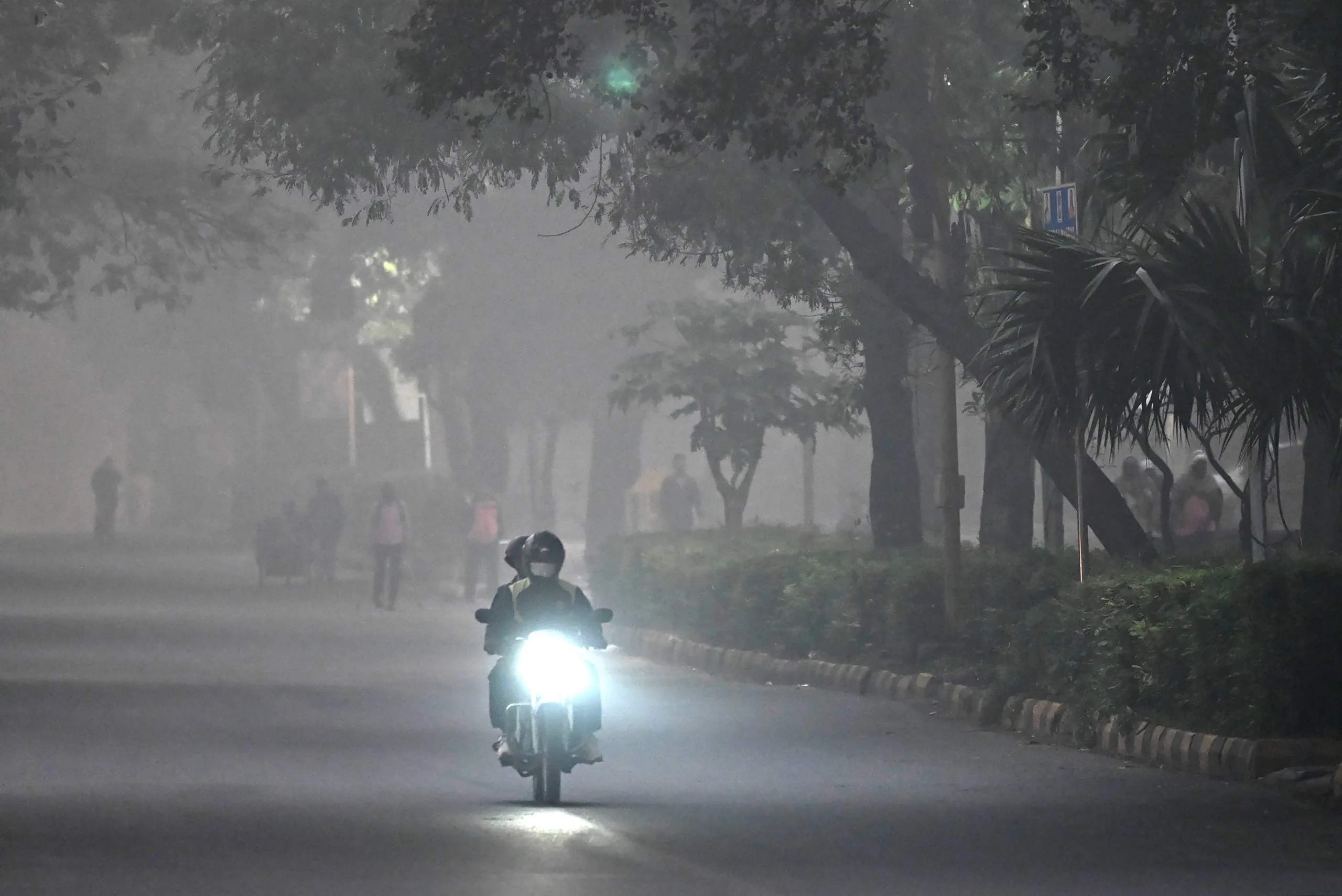
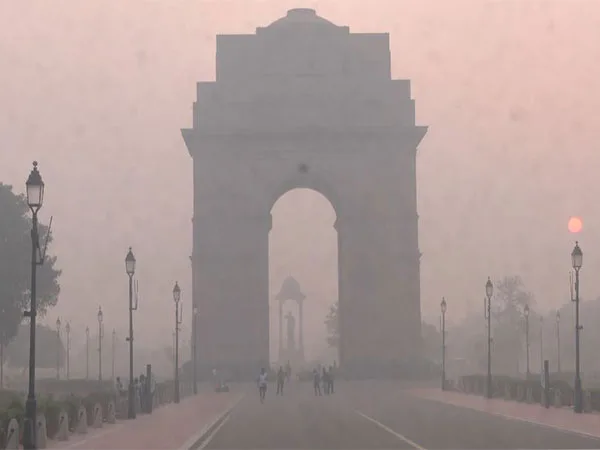
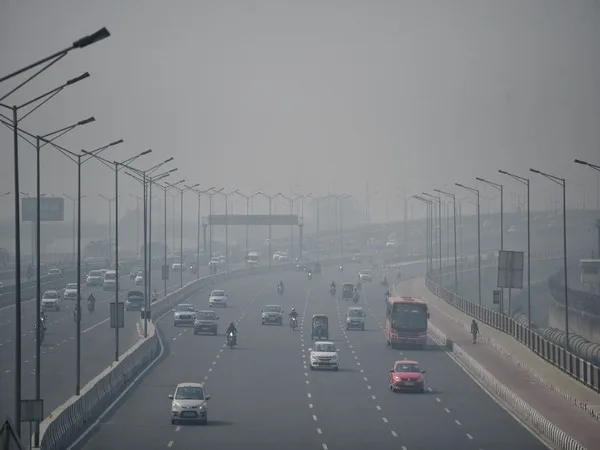
    Delhi woke up to Diwali on Sunday under a thick blanket of smog after recording its most polluted festival eve in a decade. A combination of rising farm fires in Punjab and Haryana, firecracker emissions and unfavourable weather conditions pushed pollution levels higher, raising concerns about a further deterioration in air quality after the celebrations.

    According to the Central Pollution Control Board (CPCB), Delhi’s average Air Quality Index (AQI) stood at 369 at 4 pm on Saturday, placing it in the very poor category. This was the highest AQI recorded on the day before Diwali since 2016, when the index had reached 404. The city’s AQI had risen from 261 on November 1, indicating a steady deterioration in air quality ahead of the festival.

    The situation worsened during Saturday evening’s permitted firecracker window, with several monitoring stations recording sharp increases in fine particulate matter.

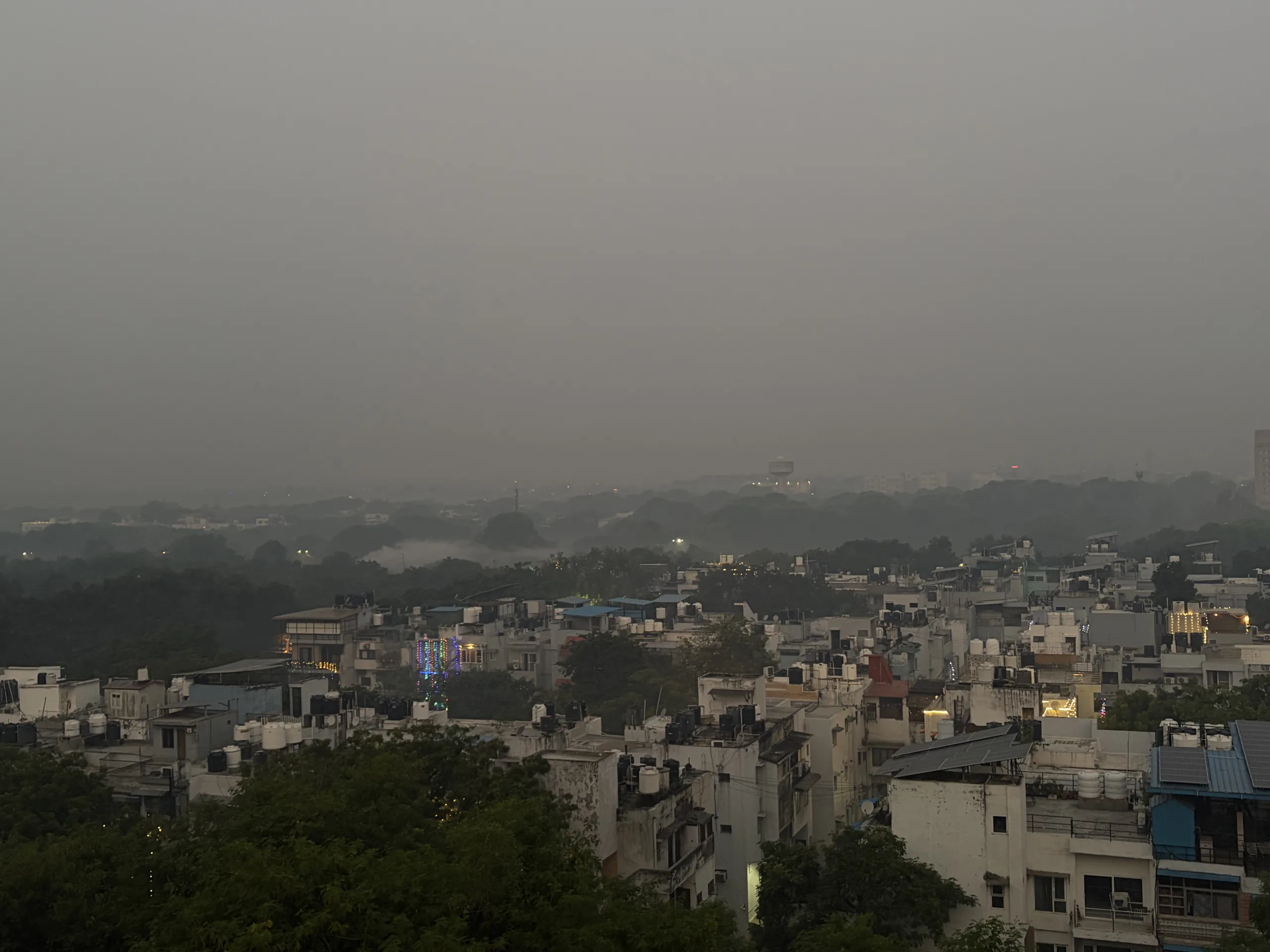
    Delhi woke up to Diwali on Sunday under a thick blanket of smog after recording its most polluted festival eve in a decade. (ANI)
    Delhi woke up to Diwali on Sunday under a thick blanket of smog after recording its most polluted festival eve in a decade. (ANI)

    Delhi’s air pollution on Diwali worsens as PM2.5 levels surge

    Data from the CPCB’s monitoring network showed that PM2.5 concentrations averaged 295 micrograms per cubic metre across Delhi’s 59 monitoring stations between 10 am and 11 am on Saturday. As many as 36 stations recorded levels above 250 micrograms per cubic metre, the threshold for the severe category for PM2.5.

    Although Saturday afternoon offered better atmospheric ventilation than the preceding days, pollution levels remained higher than on Friday throughout the 11 am to 5 pm period.

    The evening firecracker window brought another sharp rise. Hindustan Times’ analysis of CPCB’s 15-minute readings showed that average PM2.5 levels increased from 177 micrograms per cubic metre at 7.45 pm to 208 at 8 pm. The concentration continued climbing, reaching 289 by 10 pm across 55 reporting stations.

    Some residential areas experienced particularly sharp spikes. Punjabi Bagh recorded a rise from 208 at 7 pm to 593 at 8 pm, while RK Puram registered 621 at 9 pm. Mundka recorded a reading of 718. By 9 pm, nine monitoring stations had crossed 400, compared with none at the same time on Friday.

    The worsening of Delhi’s air pollution on Diwali Eve came despite the Supreme Court permitting certified green firecrackers during specified hours on November 7 and 8. The court allowed bursting between 6 am and 7 am and again from 8 pm to 10 pm.

    Also Read | Delhi pollution alert: 5 key changes as schools shift primary classes to hybrid learning

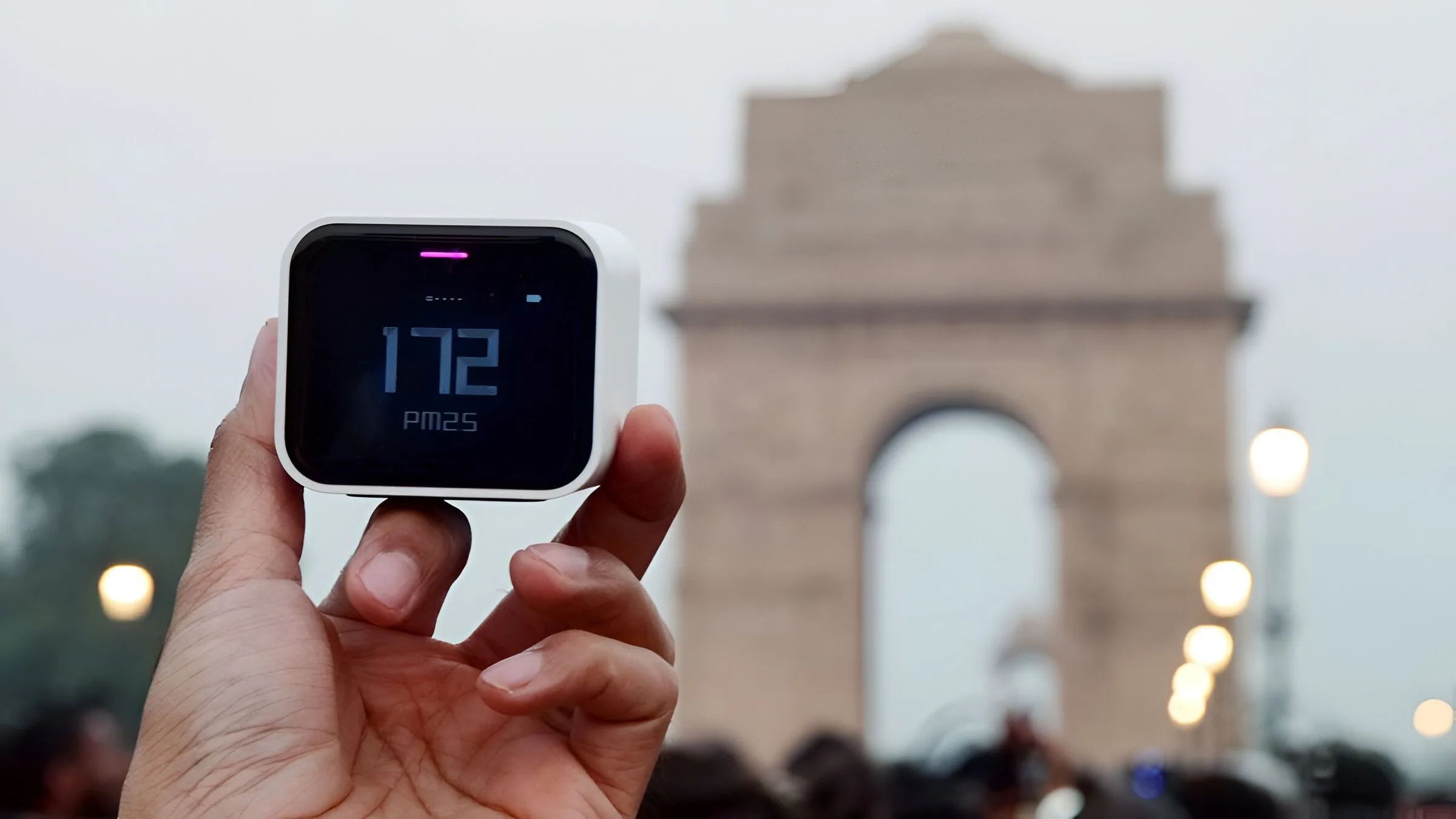
    Data from the CPCB's monitoring network showed that PM2.5 concentrations averaged 295 micrograms per cubic metre across Delhi's 59 monitoring stations between 10 am and 11 am on Saturday. (ANI)
    Data from the CPCB’s monitoring network showed that PM2.5 concentrations averaged 295 micrograms per cubic metre across Delhi’s 59 monitoring stations between 10 am and 11 am on Saturday. (ANI)

    Farm fires and weak winds add to Delhi’s pollution burden

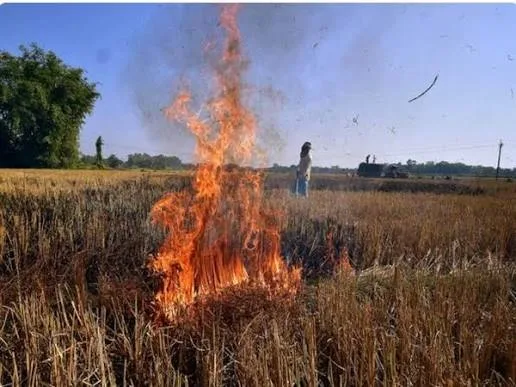
    Stubble burning across Punjab and Haryana remained another major contributor to the deteriorating conditions. Data from the Indian Space Research Organisation’s INSAT-3DS satellite showed 415 fire pixels across the two states on Saturday, around 5.5 times the count recorded on November 1.

    The satellite detected 647 of its 652 fire pixels between 4 pm and 6 pm. NASA satellite observations also indicated an increase in fire detections, although the two satellite systems use different methods and their absolute counts cannot be directly compared.

    Weather conditions are expected to make the situation more difficult. Forecasts indicated that winds near the ground could remain weak, at around 3 km per hour on Sunday afternoon. With limited wind movement, smoke and other pollutants could remain trapped close to the surface instead of dispersing.

    A layer of warmer air above the city can further restrict the upward movement of pollutants during calm nights. On Saturday morning, this inversion layer was recorded at a height of 578 metres, with temperatures 5.2 degrees Celsius higher than at ground level.

    The forecast offered some relief in the direction of winds carrying farm smoke, which were expected to shift from north-westerly to south-south-easterly on Sunday afternoon. However, this change was unlikely to clear pollution already trapped over the city.

    Also Read | Delhi is world’s most polluted major city before Diwali; why is its air so toxic?

    Stubble burning across Punjab and Haryana remained another major contributor to the deteriorating conditions. (ANI)
    Stubble burning across Punjab and Haryana remained another major contributor to the deteriorating conditions. (ANI)

    Delhi’s AQI may cross 400 by Monday morning

    The Indian Institute of Tropical Meteorology (IITM) forecast that Delhi’s AQI could climb to 406 by 4 am on Monday, entering the severe category. The forecast raised concerns that the day after Diwali could bring even worse air quality, particularly as the city was already starting from a higher pollution baseline.

    Sunil Dahiya, founder and lead analyst at Envirocatalysts, told Hindustan Times that the coming 48 hours could be particularly difficult because of weak winds and the existing pollution load. He identified reducing firecracker use, limiting truck movement into the city and preventing waste burning as measures that could help limit further deterioration.

    Delhi’s experience during previous Diwali celebrations offers another warning. In 2020, when winds were similarly weak, the AQI stood at 414 on Diwali and rose to 435 the following day. On Diwali night last year, average PM2.5 levels across 27 monitoring stations that reported overnight data reached 1,137 micrograms per cubic metre at 2 am, compared with 535 at 10 pm.

    The AQI on the day after Diwali has crossed 400 in four of the 11 years since 2015. Historical data also identifies November 6 to 9 as a particularly polluted period in Delhi, with the average AQI typically around 376 during these dates.

    With firecracker emissions, agricultural fires and stagnant weather conditions converging, Delhi air pollution on Diwali could intensify further before conditions improve.

  • Delhi is world’s most polluted major city before Diwali; why is its air so toxic?

    Delhi is world’s most polluted major city before Diwali; why is its air so toxic?

    Delhi’s air pollution problem has taken a worrying turn just a day before Diwali. On Saturday, November 7, the national capital ranked as the world’s most polluted major city, according to Swiss air-quality monitoring group IQAir.

    Its live ranking placed Delhi at the top at 10.35 am, with a US Air Quality Index (AQI) reading of 581. Lahore, in neighbouring Pakistan, followed with a reading of 285.

    The ranking came as forecasts warned of further deterioration around the festival, which is often accompanied by widespread firecracker use.

    Also Read | E20 petrol row: 3 oil majors challenge Karnataka’s 31% ethanol findings

    One city, two scales, no contradiction

    However, the numbers need some context. India’s Central Pollution Control Board (CPCB) recorded Delhi’s AQI at 363 at around 10 am on Saturday. This placed the city in the ‘very poor’ category under India’s national air-quality scale.

    The difference between the two figures does not mean that one agency has found more pollution than the other.

    IQAir uses the US AQI system, while the CPCB follows India’s own methodology. Their readings are not directly comparable.

    PM2.5, the rather unwelcome guest

    PM2.5 was the leading pollutant at 52 Delhi monitoring stations on Saturday, underlining how fine particles have become a citywide concern before Diwali | X (@IndianTechGuide)
    PM2.5 was the leading pollutant at 52 Delhi monitoring stations on Saturday, underlining how fine particles have become a citywide concern before Diwali | X (@IndianTechGuide)

    The Air Quality Index is a way of translating the concentration of pollutants in the air into a number that people can understand. It helps indicate how clean or polluted the air is and what the possible health risks may be.

    India’s AQI takes measurements of several pollutants, including PM2.5, PM10, nitrogen dioxide, sulphur dioxide and carbon monoxide. Each pollutant gets a separate score, and the highest sub-index determines the final reading.

    The biggest concern in Delhi right now is fine particulate matter, particularly PM2.5. These are tiny particles measuring less than 2.5 micrometres in diameter. They are small enough to travel deep into the lungs.

    PM10, on the other hand, includes larger particles commonly associated with road and construction dust. Delhi’s air-quality monitoring portal showed PM2.5 as the leading pollutant at 52 monitoring stations in its 11 am update on Saturday.

    Winter puts a lid on the city

    The question is why Delhi’s air gets worse around this time of the year. The answer lies in a combination of pollution sources and weather conditions.

    Vehicles, industries, construction activity, road dust and waste burning release pollutants throughout the year. Smoke from agricultural residue burning in neighbouring states also adds to the problem during the post-monsoon months.

    These emissions do not disappear when the weather changes. Instead, winter conditions make it harder for the pollutants to disperse.

    As temperatures fall, the air close to the ground becomes cooler and denser. In certain conditions, a layer of warmer air above it prevents the cooler air from rising.

    This phenomenon is known as a temperature inversion. It acts like a lid over the city, trapping pollutants closer to the surface. Weak winds and a shallow mixing layer further reduce the movement of polluted air. As a result, emissions from different sources accumulate instead of dispersing into the atmosphere.

    The Delhi government’s Environment Department identifies calm winter conditions, inversion and biomass burning as important factors behind seasonal pollution episodes.

    Firecrackers are not the whole story

    Diwali adds another layer of concern. Firecrackers release smoke and particulate matter into an atmosphere that is already heavily polluted. Their impact can be particularly damaging when wind speeds are low and pollutants remain trapped near the ground.

    However, it would be misleading to blame the entire pollution crisis on fireworks. Delhi was already recording very poor air quality before the festival.

    Traffic emissions, industrial activity, dust, waste burning and seasonal factors have contributed to the deterioration. Firecrackers risk making an existing problem worse.

    Authorities have begun taking precautionary measures ahead of the festival. The Commission for Air Quality Management (CAQM) invoked Stage III of the Graded Response Action Plan (GRAP) across Delhi-NCR with effect from November 6.

    Schools in and around Delhi have also been directed to offer online classes, while people have been encouraged to work from home.

    The measures aim to reduce exposure and limit further deterioration as the city approaches Diwali on Sunday, November 8.

    Also Read | Yamuna pollution: Swedish firm explores sewage treatment partnership with Delhi government

    Beyond the festival lies a longer fight

    The immediate concern is how much worse the air could get over the festival period. But Delhi’s recurring winter pollution cannot be addressed through festival-related restrictions alone.

    The crisis involves emissions from multiple sources, regional pollution and weather conditions that allow harmful particles to build up.

    The challenge extends well beyond a single night of celebrations.