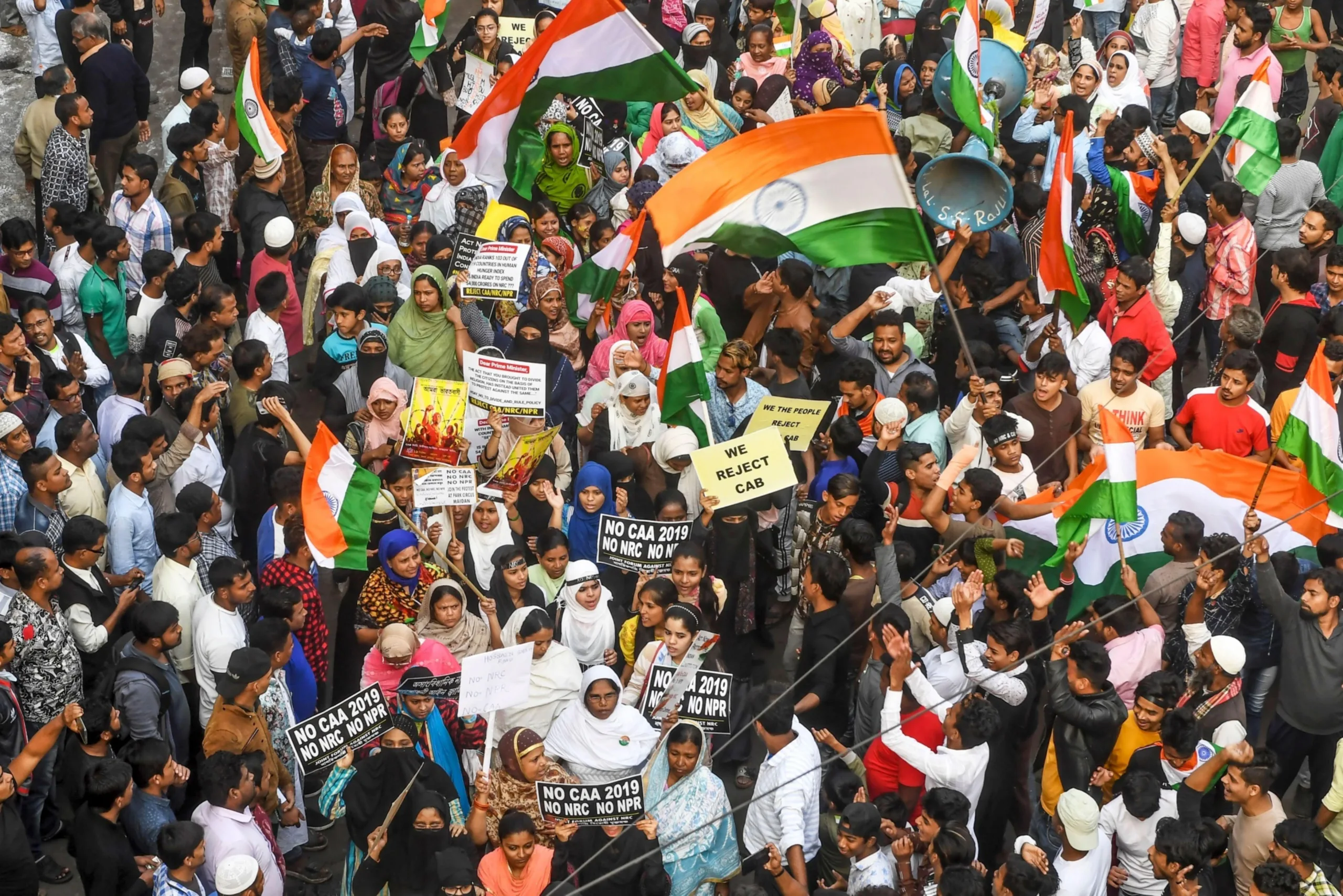
India’s political debate has increasingly centred on a question that goes beyond individual controversies: how much confidence do citizens place in the institutions responsible for elections, examinations, public administration and economic crisis?
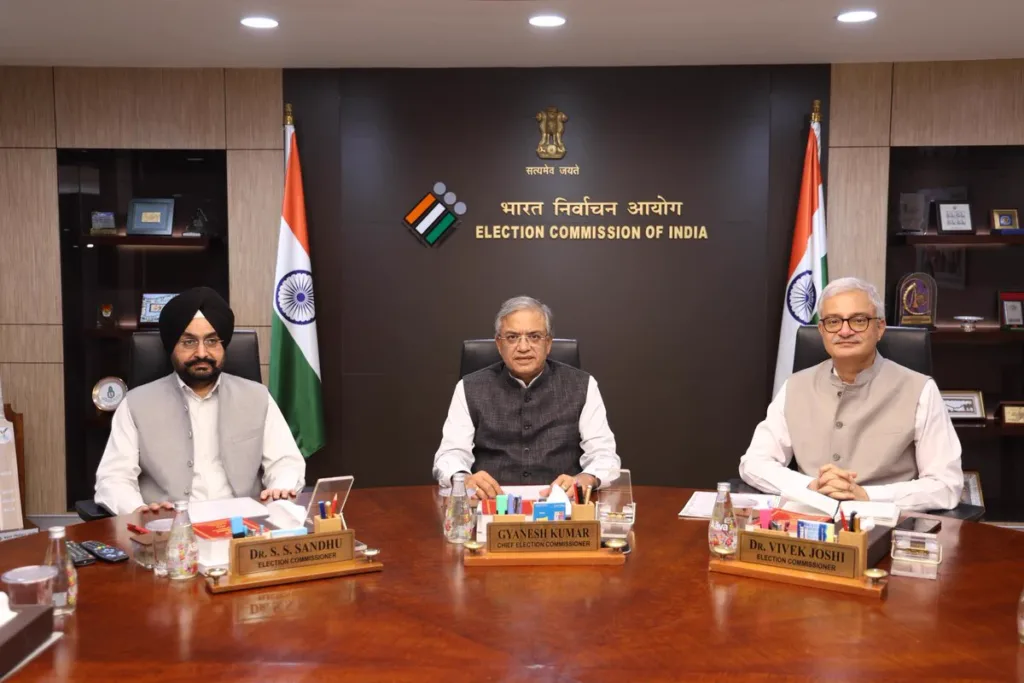
The latest flashpoint is the Election Commission of India’s Special Intensive Revision (SIR) of electoral rolls. An investigation by The Indian Express reported that Election Commissioners Sukhbir Singh Sandhu and Vivek Joshi recorded objections at least 14 times over 10 months on matters including voter registration, deletions, Form 6 and access to electoral-roll systems. The ECI has maintained that SIR and other decisions were approved unanimously.
These competing accounts have fuelled a wider debate about institutional credibility. Political commentator Muqtedar Khan, writing in Frontline, describes this as a crisis of legitimacy. That is an analytical interpretation rather than an established institutional finding, but it reflects concerns that have become increasingly visible across several public controversies.
Crisis of legitimacy grows around electoral-roll questions
The dispute over the Election Commission predates the current SIR exercise. Opposition parties have for years raised allegations about electoral roll changes and voting data, while the ECI has rejected claims of systematic manipulation.
The latest controversy acquired greater significance after reports of internal objections within the Commission. The reported disagreements concerned issues including changes to voter-registration procedures, deletion and restoration of names and the centralisation of access to electoral-roll databases.
The scale of SIR has added another dimension. The Indian Express reported that more than 13 crore names had been removed from draft rolls across 30 States and Union Territories during the exercise. These are draft-roll exclusions and do not necessarily represent permanent disenfranchisement, since claims, objections and restoration procedures remain available.
The ECI has also announced measures including an ECINET review, easier hearings and extensions to certain deadlines, while reiterating that its decisions were unanimous.
The Supreme Court has now agreed to hear a petition challenging aspects of the ECI’s functioning and the SIR process, adding a judicial dimension to the dispute.
Also Read | Foral de Goa 1526, the charter behind Goa’s land legacy: Know all about 500 years of history
Crisis of legitimacy extends beyond the Election Commission
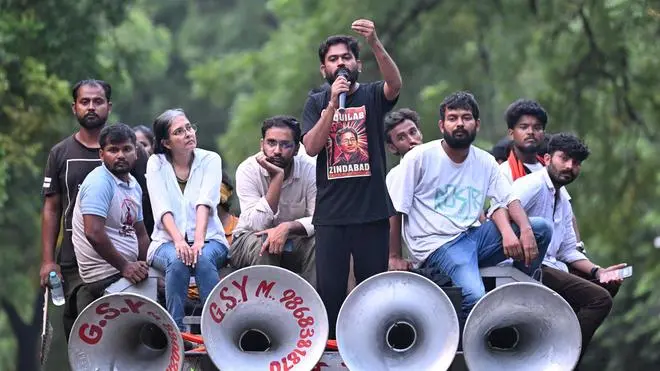
The argument that India’s crisis of legitimacy is broader than the ECI controversy draws on several recent episodes. One is the NEET-UG 2026 paper-leak controversy, which triggered weeks of student protests and eventually culminated in Education Minister Dharmendra Pradhan’s resignation on July 25.
The episode placed examination security and accountability under intense scrutiny. More recently, the National Testing Agency withheld the result of the son of a coaching-centre owner accused in the leak and barred him from the 2027 examination.
Another contentious crisis concerns donations at the Ram Mandir in Ayodhya. An SIT investigation into alleged theft and misappropriation found lapses involving cash handling, CCTV monitoring, and recruitment, while eight people were arrested in June.
By July, the SIT’s report had pointed to administrative and supervisory lapses while indicating that the alleged siphoning was linked to lower-level staff. The latest chargesheet has further detailed alleged diversion during the counting process, with investigators citing CCTV evidence and other material.
These cases are different in nature and cannot automatically be treated as evidence of a single systemic failure. However, they have each generated questions about institutional oversight, accountability and the speed with which authorities respond to allegations.
Also Read | 5 things to know about the Congress’s Rs 81.45 lakh payment to The Indian Express during the Bengal polls
Economic claims and foreign policy add to public debate
The crisis of legitimacy argument also extends into the economic sphere, although here the evidence is more contested. India’s economy grew 7.8 percent in the April-June quarter of 2026, according to official data reported by Reuters, exceeding both the Reserve Bank of India’s projection and market expectations.
That strong headline growth has nevertheless been accompanied by debates over employment, inflation, household pressures, and the reliability of economic measurements. These disagreements do not establish that official GDP data are false, but they show how economic statistics have become part of a larger argument over whether government narratives adequately reflect citizens’ lived experiences.
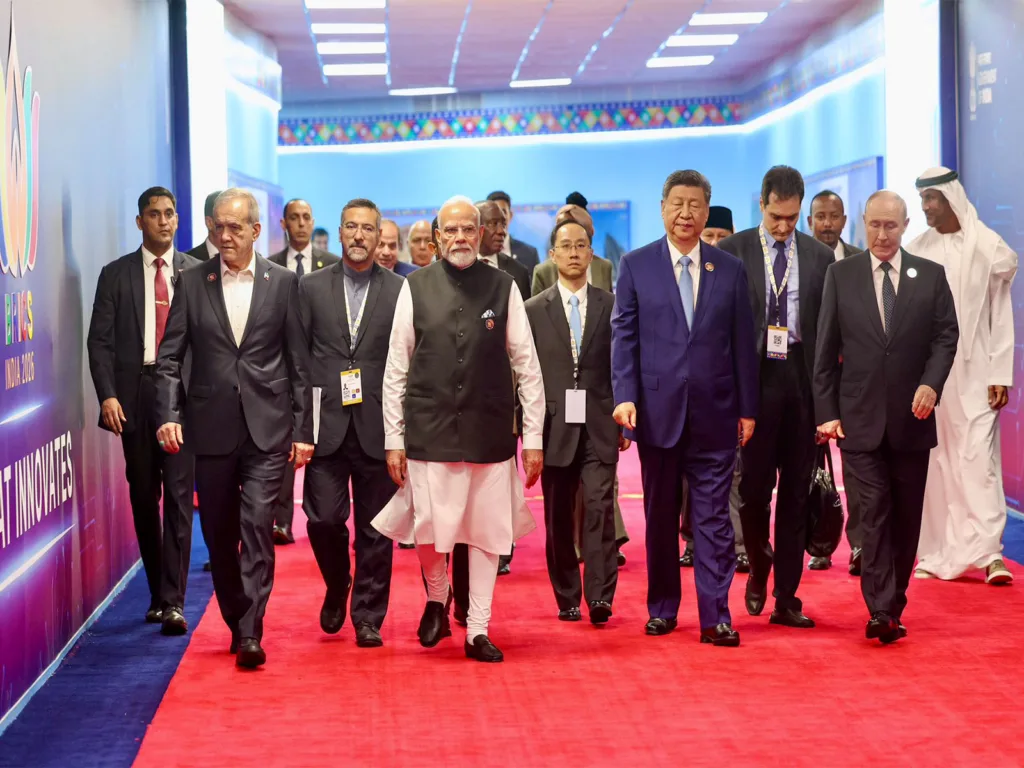
Foreign policy has similarly become an arena for competing interpretations of India’s international position. The author’s analysis in Frontline argues that recent developments involving the United States, China and Pakistan have exposed limits to the government’s narrative of India’s expanding geopolitical influence. Such judgments remain matters of political and foreign-policy interpretation rather than settled facts.
The broader question is therefore less about whether every controversy proves a crisis of legitimacy and more about how repeated disputes affect institutional trust. Electoral rolls, examination systems, religious institutions, and economic data operate differently, but confidence in each depends partly on transparency, accountability and credible mechanisms for correcting errors.
For the government, opposition parties, and independent institutions alike, restoring confidence requires more than rebutting individual allegations. It requires processes through which disputed decisions can be examined, evidence can be independently assessed, and legitimate grievances can be addressed.
The current debate over a crisis of legitimacy ultimately reflects that larger challenge. In a democracy, public trust cannot be assumed indefinitely. It is strengthened when institutions explain decisions clearly, acknowledge errors where they occur, and provide citizens with meaningful avenues for review and redress.