Tag: Chief Election Commissioner

  • What happens if Gyanesh Kumar resigns as Chief Election Commissioner?

    What happens if Gyanesh Kumar resigns as Chief Election Commissioner?

    Calls for the resignation of Chief Election Commissioner (CEC) Gyanesh Kumar have intensified after an investigation by The Indian Express reported repeated objections by Election Commissioners Sukhbir Singh Sandhu and Vivek Joshi over decisions linked to the Election Commission of India (ECI) and the Special Intensive Revision (SIR) of electoral rolls.

    The report said that the two Election Commissioners recorded dissent on at least 14 occasions over 10 months. They raised concerns over decisions involving voter registration, deletion of names and the centralisation of voter database-related processes. Some of the steps were described in their notes as “unauthorised” and “illegal”.
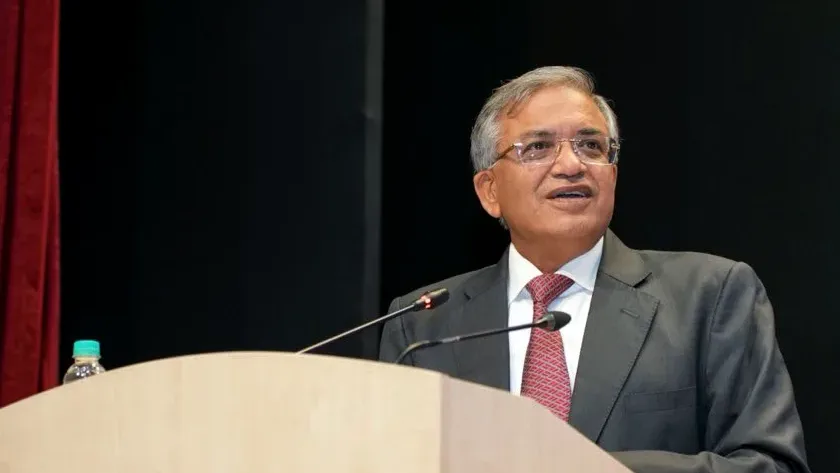
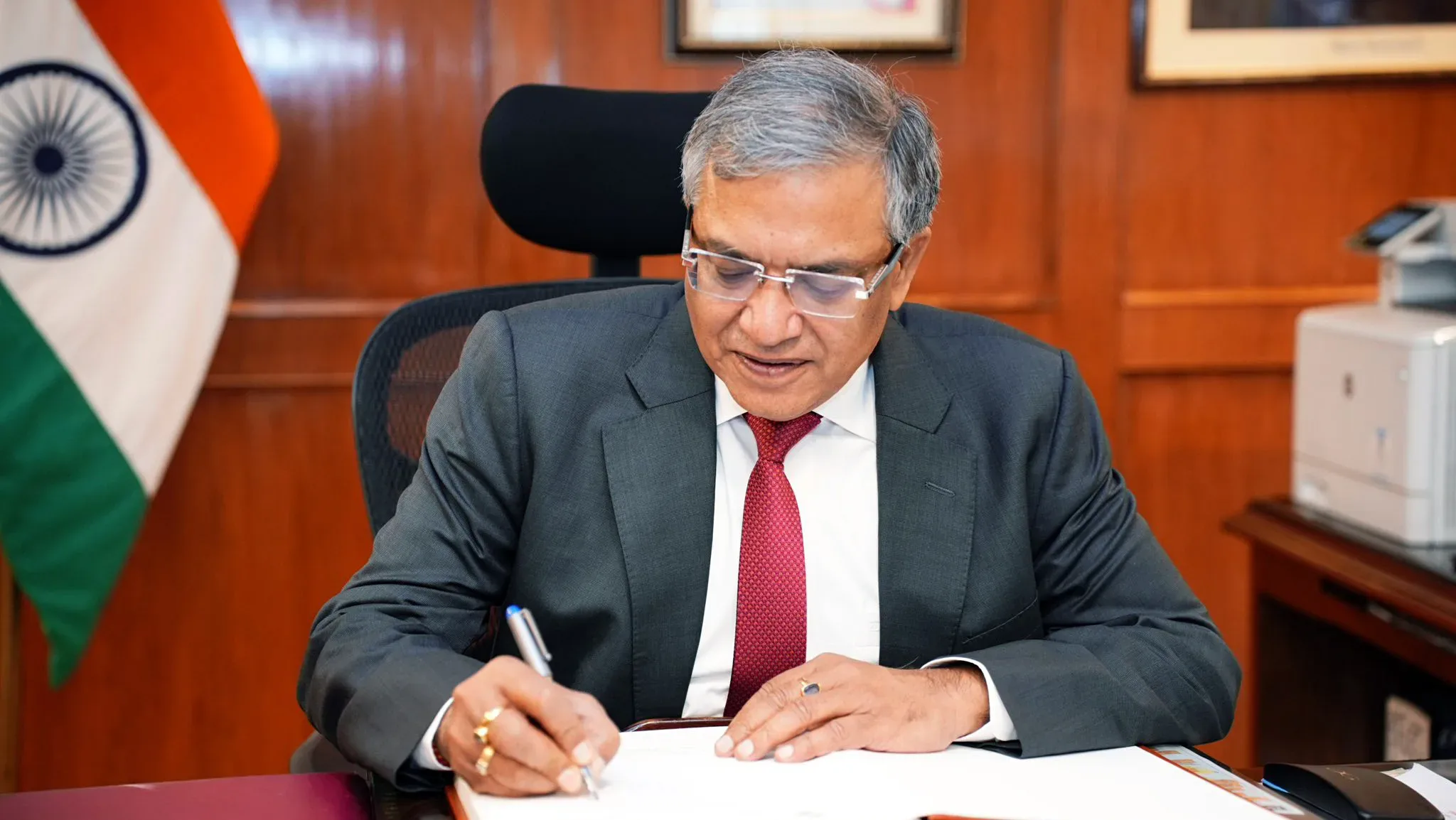
    Gyanesh Kumar
    CEC resignation rules explained amid Gyanesh Kumar controversy | ANI

    The controversy has prompted opposition leaders, including Rahul Gandhi, to demand Gyanesh Kumar’s resignation. Gandhi said elections were “fundamentally broken” and called for the CEC to step down.

    Also Read | Election Commission announces 9 key decisions amid internal concerns: What changes?

    The Election Commission, however, has rejected the suggestion that the reported differences undermine its functioning. The poll body said, “All these decisions are an outcome of the unanimous decisions of the full Commission in the past one year.” It also said differing views are a normal part of institutional deliberations.

    How does a CEC resign in India?

    The resignation process is set out in Section 11 of the Chief Election Commissioner and Other Election Commissioners (Appointment, Conditions of Service and Term of Office) Act, 2023. A CEC can resign at any time by submitting a written resignation addressed to the President of India.
    Election Commission
    CEC resignation rules explained amid Gyanesh Kumar controversy | ANI

    The law does not create a separate deputy CEC who automatically steps into the post when the office becomes vacant.

    Who takes over after the CEC resigns?

    A new CEC is appointed by the President. Under the 2023 Act, the appointment is made on the recommendation of a three-member Selection Committee comprising the Prime Minister, the Leader of Opposition in the Lok Sabha and a Union Cabinet Minister nominated by the Prime Minister.

    Also Read | CEC vs 2 Election Commissioners: What happens when ECI members disagree?

    The Act also provides for a Search Committee headed by the Cabinet Secretary to prepare a panel of five names for consideration by the Selection Committee.
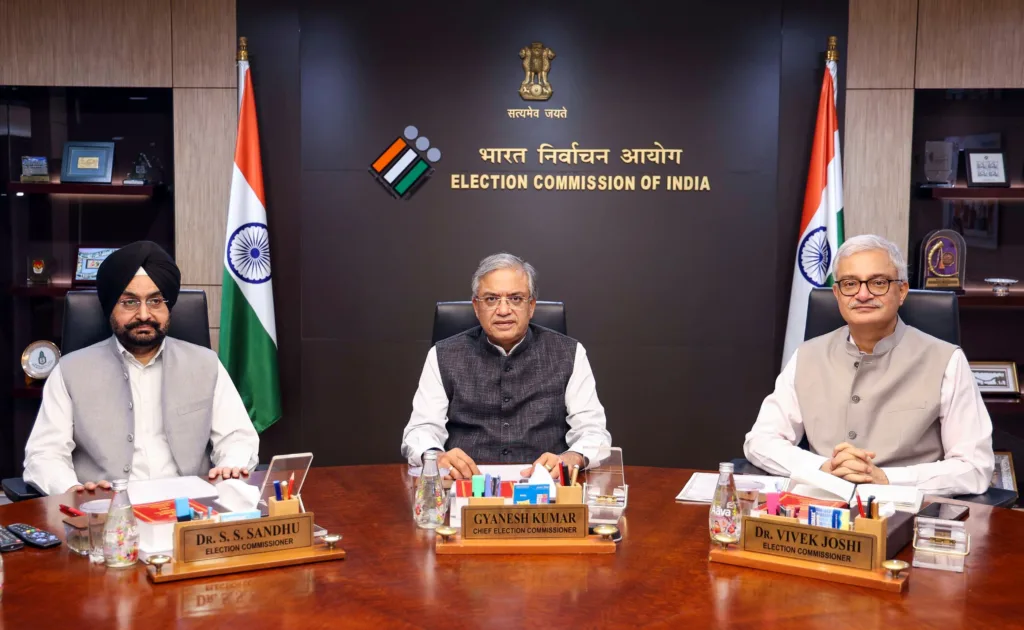
    Election Commission announces 9 key decisions
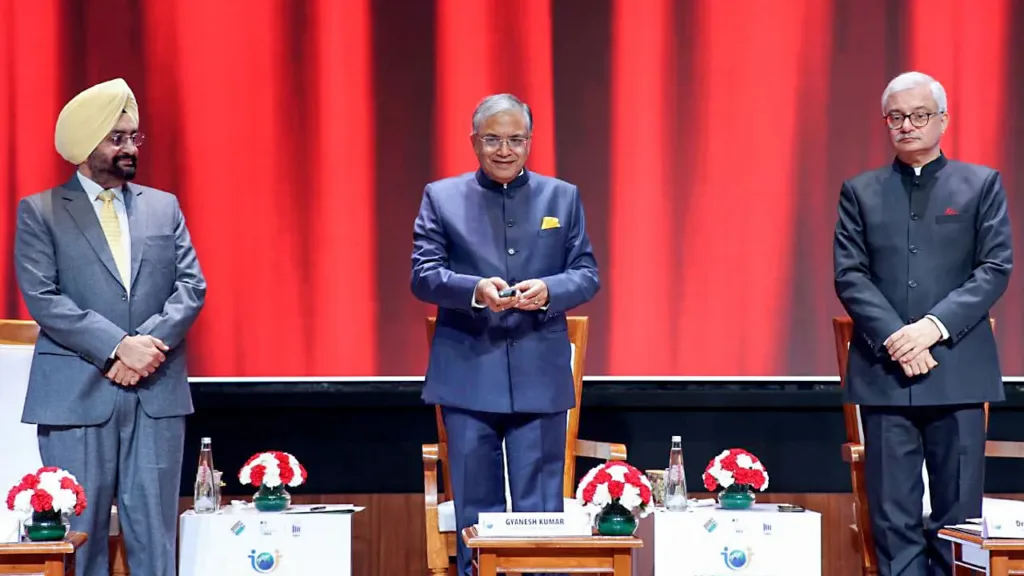
    Chief Election Commissioner Gyanesh Kumar with Election Commissioners Sukhbir Singh Sandhu, and Vivek Joshi | ANI

    Meanwhile, the Election Commission remains a multi-member constitutional body under Article 324. A vacancy in the CEC’s office does not by itself mean that the other Election Commissioners leave office. The exact arrangements for conducting the Commission’s business during any gap before a new CEC is appointed would depend on the applicable constitutional and statutory framework and directions issued by the competent authorities.

    So, if Gyanesh Kumar were to resign, there would not be an automatic appointment of another individual as CEC. The next CEC would have to be formally appointed by the President through the process laid down under the 2023 law.
  • CEC vs 2 Election Commissioners: What happens when ECI members disagree?

    CEC vs 2 Election Commissioners: What happens when ECI members disagree?

    The Election Commission of India (ECI) is again facing questions over how decisions are taken when its three members do not agree. The issue has come into focus after Election Commissioners Sukhbir Singh Sandhu and Vivek Joshi reportedly recorded formal objections at least 14 times in 10 months over decisions linked to the Special Intensive Revision (SIR) of electoral rolls.

    The ECI later said the objections were “part of decision-making process”.

    But what happens when the Chief Election Commissioner (CEC) and the two Election Commissioners disagree? The answer lies in the Constitution and laws governing the poll panel.

    What does Article 324 say?

    Article 324(1) gives the Election Commission “the superintendence, direction and control of the preparation of the electoral rolls for, and the conduct of, all elections” to Parliament, state legislatures, and the offices of President and Vice-President.

    Also Read | What is ERONET? The ECI software at the centre of the SIR row

    The Supreme Court, in the 1977 Mohinder Singh Gill case, held that the ECI has broad powers under Article 324 and can act where there is no specific parliamentary law, provided its action does not conflict with existing legislation.

    ECI
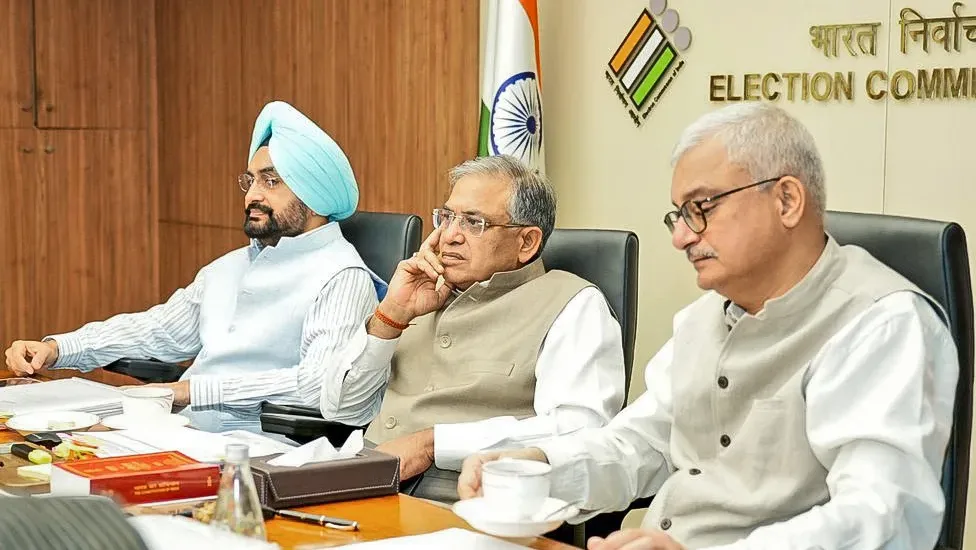
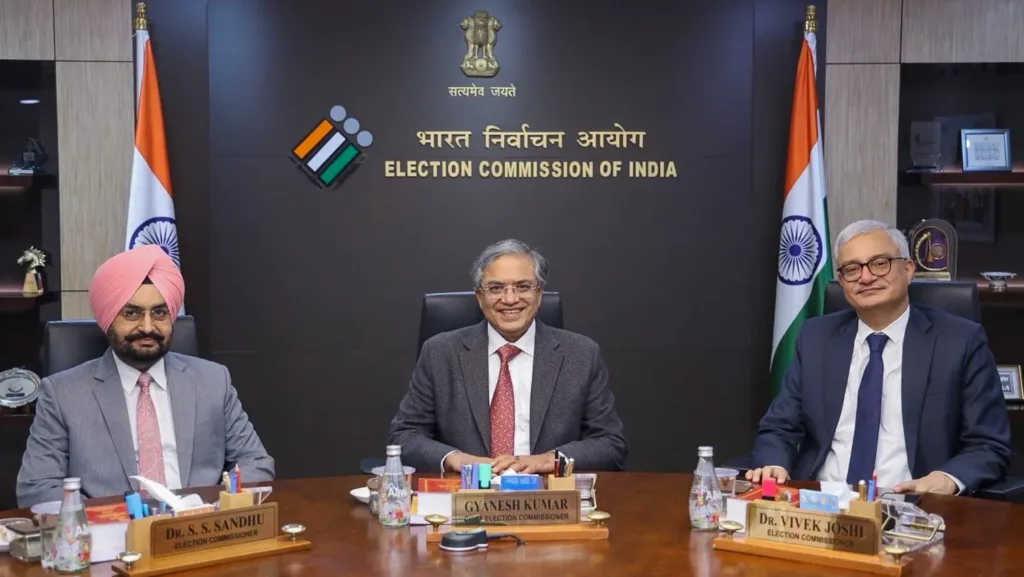
    New Delhi, Apr 08 (ANI): Chief Election Commissioner Gyanesh Kumar, along with Election Commissioners Vivek Joshi and Sukhbir Singh Sandhu | ANI

    Article 324(2) allows the President to decide how many Election Commissioners the ECI will have. The commission functioned with only a CEC from 1950 to 1989. It has had one CEC and two Election Commissioners since October 1993.

    Does the CEC have a veto?

    No. The Supreme Court settled this question in the 1995 TN Seshan v Union of India case.

    The court held that once additional Election Commissioners are appointed, the ECI operates as a multi-member body. The CEC does not have primacy or a veto over the other commissioners.

    Under the decision-making framework, the commission seeks unanimity where possible. If its members disagree, the matter is decided by majority.

    Also Read | ECI dissent report sparks Opposition attack as poll panel rejects formal dissent claim

    The 2023 Chief Election Commissioner and Other Election Commissioners Act repealed the earlier 1991 law but retained this majority-based system.

    How are the commissioners appointed?

    The appointment system changed after the Supreme Court’s 2023 Anoop Baranwal judgment. The court had directed a selection panel comprising the Prime Minister, Leader of the Opposition and Chief Justice of India until Parliament enacted a law.

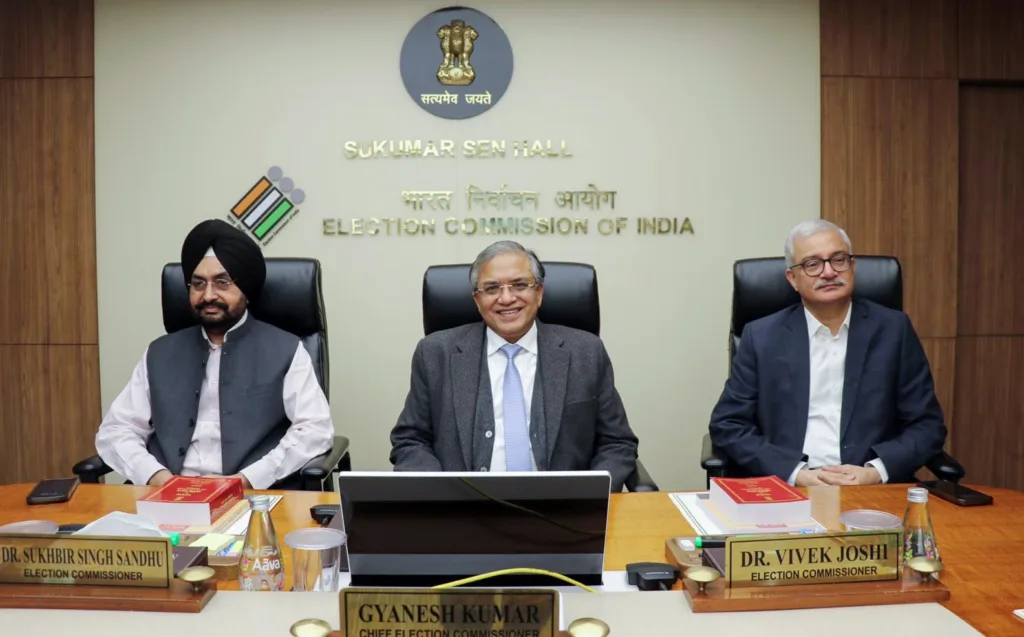
    Chief Election Commissioner Gyanesh Kumar and Election Commissioners Sukhbir Singh Sandhu and Vivek Joshi
    SIR objections bring Election Commission’s decision-making process into focus | ANI

    Parliament subsequently passed the 2023 Act. Its selection committee comprises the Prime Minister, the Lok Sabha Leader of the Opposition and a Union Cabinet minister nominated by the Prime Minister.

    Can Election Commissioners be removed?

    The CEC has protection similar to that of a Supreme Court judge and can be removed only through the prescribed parliamentary process.

    Election Commissioners have a different safeguard. Under Article 324(5), they can be removed only on the recommendation of the CEC.