Tag: California

  • Trump’s last-minute California ballot gamble rejected by Supreme Court

    Trump’s last-minute California ballot gamble rejected by Supreme Court

    The US Supreme Court on Monday, November 2, rejected President Donald Trump’s administration’s emergency request to stop California from counting mail-in ballots linked to more than 20,000 registered voters flagged by federal officials as “likely” non-US citizens.

    The decision came a day before the November 3 midterm elections, with control of Congress at stake. California can continue processing ballots under its existing election rules.

    Also Read | Poland steps up security on Kaliningrad border over fears of armed incursions

    Names flagged, questions unanswered

    The case is not a finding that 20,000 people voted illegally. Federal officials have identified voters whose citizenship they say needs to be checked.

    The list was compiled by the Department of Homeland Security (DHS) and sent to California and Los Angeles County. The Justice Department says the names belong to people who are likely noncitizens and were sent mail ballots.

    California questioned the list’s reliability and sought details about how federal agencies reached their conclusions. The list has not been made public.

    The ballot takes a legal turn
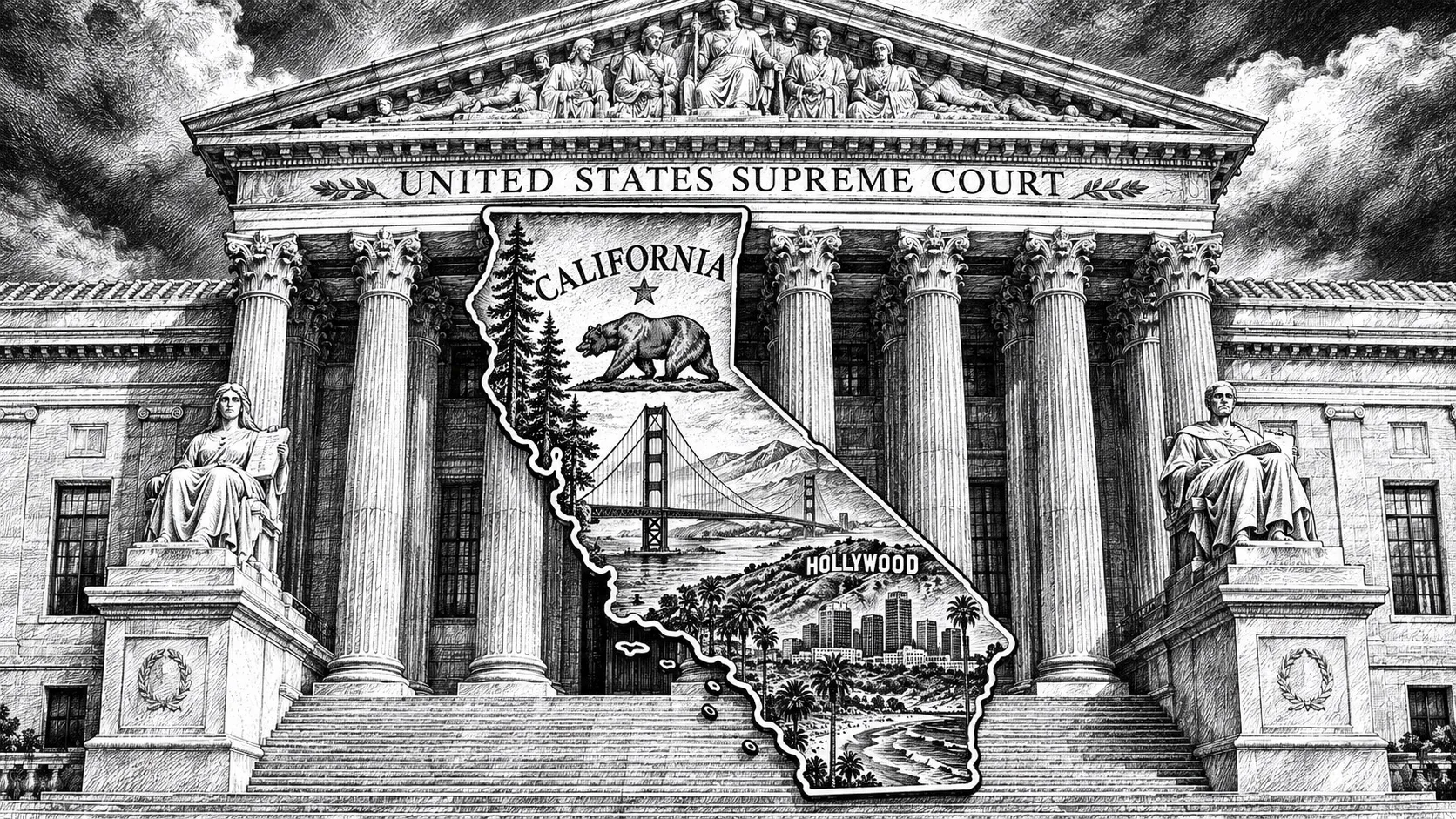
    The Trump administration wanted ballots set aside; judges saw a risk that eligible citizens could be shut out of an election already under way | X (@mitchjackson)
    The Trump administration wanted ballots set aside; judges saw a risk that eligible citizens could be shut out of an election already under way | X (@mitchjackson)

    The dispute began after California mailed ballots to all registered voters on October 1, as required under state law.

    On October 12, federal officials sent the state a list of more than 20,000 names and asked it to set aside ballots returned by those voters until their citizenship could be verified.

    The Justice Department filed a lawsuit on October 15, arguing that California was failing to enforce federal law by refusing to follow that request. It asked the court to block the state from counting the ballots in the meantime.

    The constitutional tug-of-war
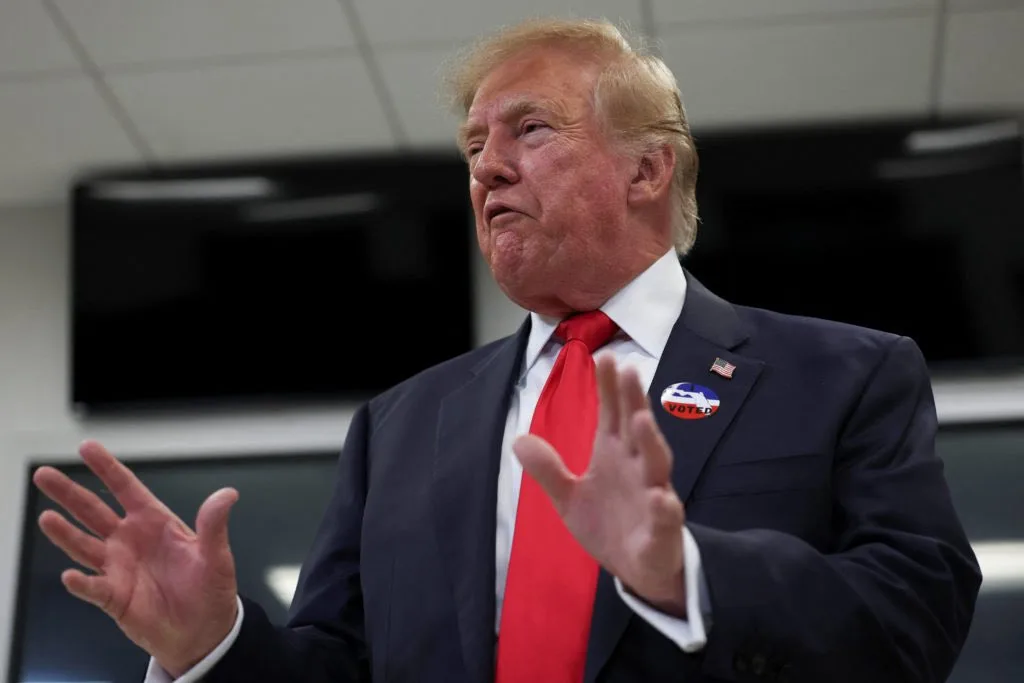
    Trump's bid to halt the count failed, but the ruling did not verify anyone's citizenship or resolve the wider dispute over voter eligibility | X (@PopCrave)
    Trump’s bid to halt the count failed, but the ruling did not verify anyone’s citizenship or resolve the wider dispute over voter eligibility | X (@PopCrave)

    At the heart of the case is a distinction between who can vote and who runs elections.

    Federal law makes it a crime for noncitizens to vote in federal elections. The Trump administration argued that federal authority to enforce that law should override California’s procedures.

    It relied on the Constitution’s Supremacy Clause, under which federal law takes precedence where state and federal laws conflict.

    California said its own laws also bar noncitizens from voting and that it already has safeguards to check voter eligibility.

    The Constitution gives states primary responsibility for administering elections, including registration, ballot processing and counting, while allowing Congress to set federal rules.

    That division became central to the court fight. On October 28, US District Judge David Carter rejected the administration’s first request to freeze the ballots.

    He questioned the reliability of the government’s list and warned that separating ballots so close to Election Day could disrupt the process and risk excluding eligible citizens.

    By then, more than 3.7 million Californians had voted and over 500,000 ballots had been processed, according to court filings.

    The judges have their reservations

    The US Court of Appeals for the Ninth Circuit rejected the administration’s renewed emergency request on October 30.

    The judges said the government had not shown that the law and facts clearly justified such an extraordinary intervention during an ongoing election.

    The court noted that federal law criminalises noncitizen voting but does not require states to segregate ballots based on a federal list or authorise the Justice Department to take charge of an active state election.

    It also noted that the government had not provided an error rate or reliable validation for its list. The court warned of a “material risk” that eligible voters could be disenfranchised and that late changes could disrupt election administration.

    Also Read | Britain may apologise for slave trade, but will it pay reparations?

    A narrow ruling, not the last word
    More than 3.7 million Californians had voted by October 28. Against that backdrop, judges warned that late changes could disrupt the count | X (@scotus_wire)
    More than 3.7 million Californians had voted by October 28. Against that backdrop, judges warned that late changes could disrupt the count | X (@scotus_wire)

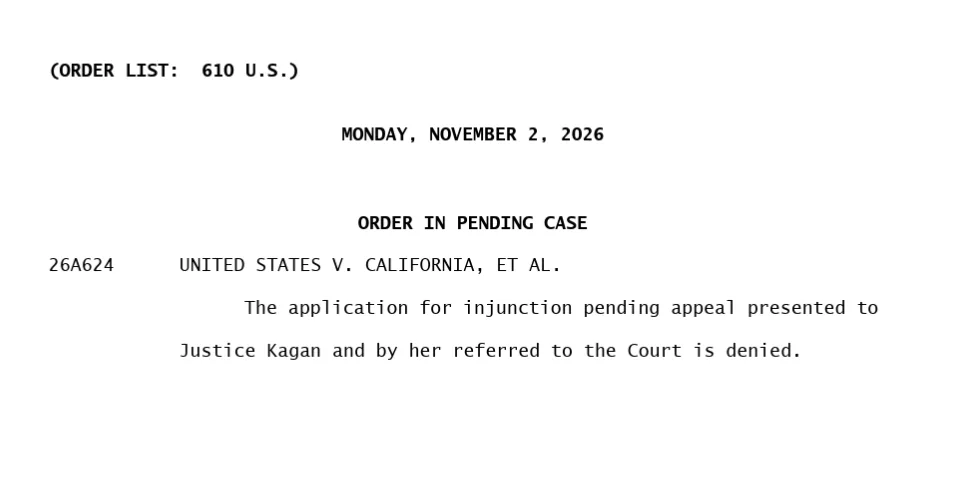
    The Supreme Court’s brief, one-sentence order on November 2 did not explain its reasoning. No justice publicly dissented.

    The decision does not change the federal prohibition on noncitizens voting in federal elections, nor does it establish the citizenship status of anyone on the list.

    It only denies the administration’s immediate request to stop California from counting the ballots. The state can therefore proceed under its existing rules as voters head to the polls on November 3.

    The wider dispute over the federal government’s list and its role in state election procedures may continue.
  • California puts billionaire wealth tax on ballot with up to 5% under Proposition 40

    California puts billionaire wealth tax on ballot with up to 5% under Proposition 40

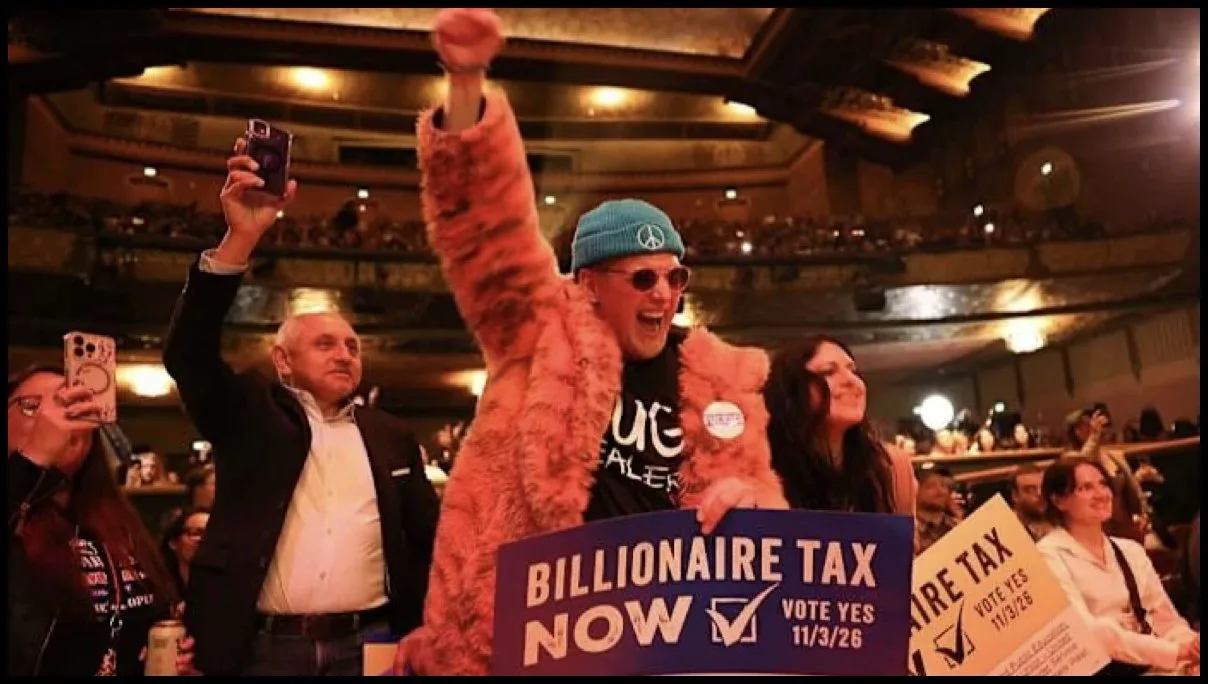
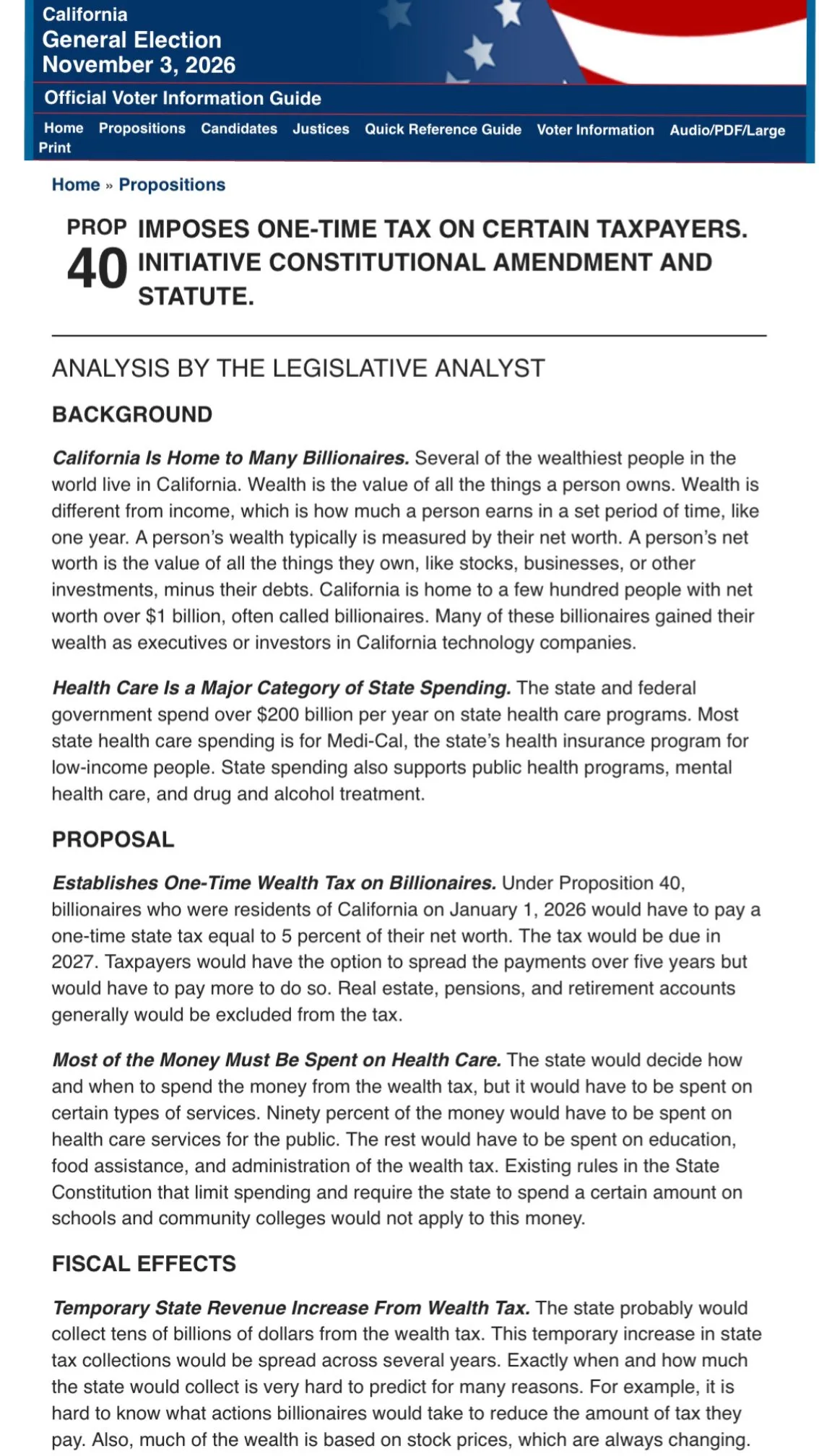
    California is at the centre of a growing debate over how governments should tax extreme wealth. The state will vote on Proposition 40 on November 3, a ballot measure that would impose a one-time tax of up to 5% on certain taxpayers with more than $1 billion in covered assets.

    The proposal is designed mainly to raise money for healthcare, while also directing part of the proceeds towards food assistance and education. California is home to roughly 250 billionaires whose combined wealth is estimated at more than $2 trillion.

    A different levy

    California's official voter guide details Proposition 40, a proposed one-time tax of up to 5% on the wealth of certain billionaires | X (@cwebbonline)
    California’s official voter guide details Proposition 40, a proposed one-time tax of up to 5% on the wealth of certain billionaires | X (@cwebbonline)

    The idea is different from a regular income tax. Income tax applies to money a person earns. A wealth tax applies to the value of assets a person already owns.

    Under Proposition 40, the tax would apply to billionaires who were California residents on January 1, 2026.

    Covered assets include businesses, securities, art, collectibles and intellectual property. Real estate, along with some pensions and retirement accounts, would generally be excluded.

    The tax would be due in 2027, although taxpayers could spread the payment over five years at an additional cost.

    Where the money could go

    The argument from supporters is about where the money could go. The official voter guide says 90% of the revenue would have to be spent on healthcare services, with the remaining 10% directed towards food assistance, education-related programmes and administration.

    Supporters have cited estimates of up to $100 billion in revenue. Some critics put the likely figure much lower, at around $40 billion.

    The state’s Legislative Analyst’s Office, meanwhile, describes the expected revenue more cautiously as tens of billions of dollars spread over several years.

    The sums differ, and so do the worries

    6 Nobel economists throw support behind California billionaire tax | X (@ackmeni)
    6 Nobel economists throw support behind California billionaire tax | X (@ackmeni)

    That difference in estimates points to the larger economic argument around the proposal. Opponents say a wealth tax could encourage some billionaires to leave California or alter where they hold their assets.

    That could reduce future state income tax revenue and investment. The Legislative Analyst’s Office estimates the possible ongoing loss in income-tax revenue at less than $1 billion a year.

    California also has a long history of debate over tax-related ballot measures, including Proposition 30, which sought to raise taxes on high earners and was rejected by voters in 2022.

    Heavyweight voices

    Supporters dispute the idea that the tax would seriously damage California’s business ecosystem. University of California, Berkeley economist Emmanuel Saez, who helped write Proposition 40, described it as “a tax on billionaires to fund healthcare.”

    He also argued that California’s universities, research base, infrastructure and pool of skilled workers would make a mass business exodus unlikely.

    On the other side, Google co-founder Sergey Brin has emerged as a prominent opponent and has spent heavily on efforts to defeat the measure.

    Governor Gavin Newsom also opposes Proposition 40 and has instead backed the idea of a federal wealth tax applied nationwide.

    Come November, California must weigh the trade-off

    At its core, Proposition 40 asks a simple but difficult question: should California tax accumulated wealth, rather than relying primarily on taxes on income and spending?

    The answer carries consequences beyond the billionaires directly affected. It could mean a large one-time injection of money for public healthcare and other programmes, but it also raises questions about future tax revenue, asset valuation and the behaviour of wealthy taxpayers.

    California’s November ballot will put that trade-off directly before voters.