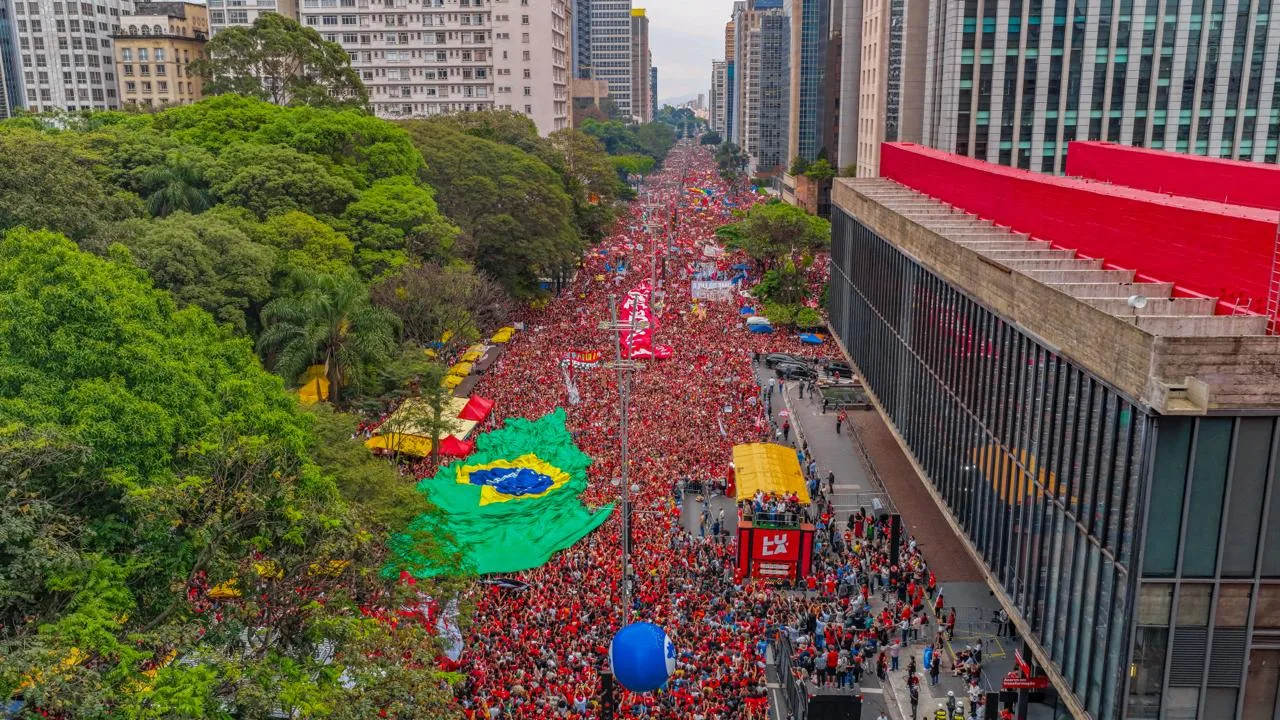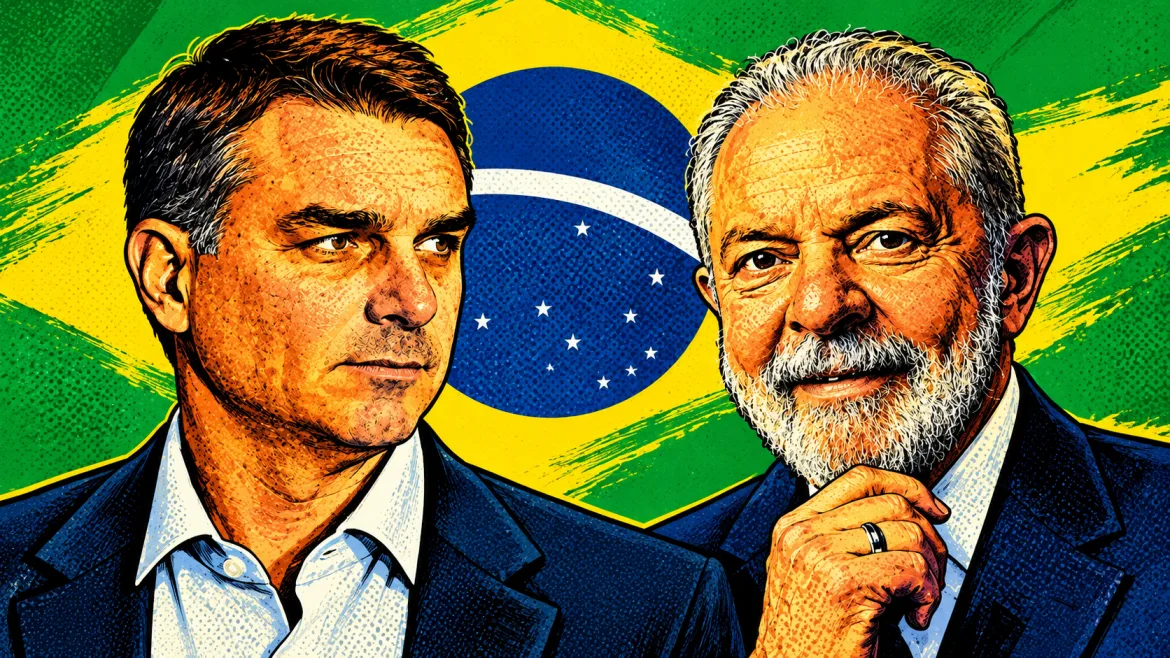
Brazil is heading into a closely contested presidential runoff on Sunday, October 25, with incumbent Luiz Inácio Lula da Silva facing right-wing Senator Flavio Bolsonaro.
The election will decide whether Lula secures an unprecedented fourth, non-consecutive presidential term or Bolsonaro takes power by building on the political legacy of his father, former president Jair Bolsonaro.
The result could also influence Brazil’s economic priorities, approach to public security, and international relations.
The contest has tightened since the first round on October 4. Flavio Bolsonaro secured around 47% of the vote, while Lula received just over 45%. Neither candidate won the majority needed to avoid a runoff.
A CNT/MDA poll released on October 24 put Bolsonaro at 46.3% and Lula at 45%. The survey interviewed 2,032 people between October 21 and 23, with a margin of error of 2.2 percentage points. The figures indicate a competitive race.
🇧🇷#Breaking: The Free World Is Watching Brazil!🇧🇷 Election Day is TOMORROW. 🇧🇷Brazilians head to the polls for a presidential runoff between Flávio Bolsonaro and leftist incumbent Lula. Look at this energy in the streets. 🌎South America is waking up! #Brazil #24octobre2026 #24Octubre #24octubre2026 https://t.co/KAXS2WSC4k
— Chair-Force-One 47 (@ryanottawapoker) October 24, 2026
Also Read | PHP’s security crisis raises questions over funding and AI-driven threats
Who are the candidates?
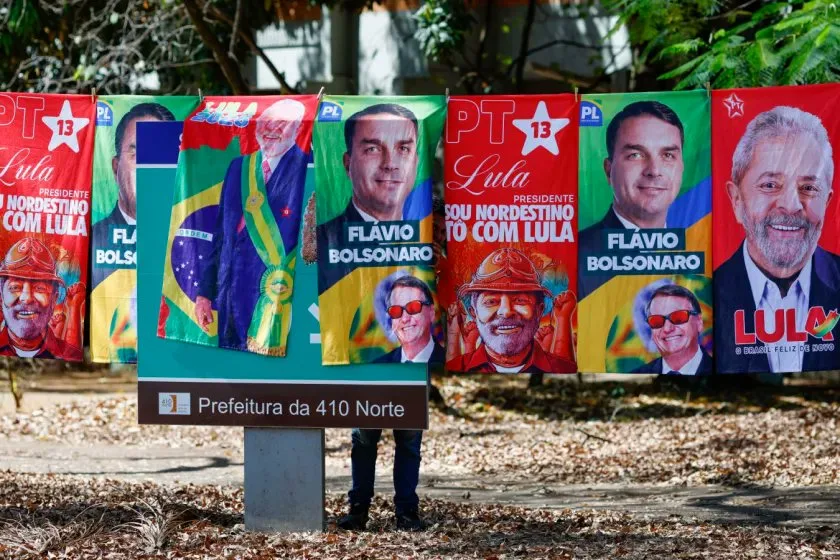
Lula, 80, represents the left-wing Workers’ Party. A former factory worker and trade union leader, he returned to the presidency in 2023 after defeating Jair Bolsonaro in 2022.
His political appeal rests partly on social welfare programs, measures to reduce poverty, and efforts to improve living standards. His government has also pointed to falling unemployment and efforts to curb deforestation.
Be that as it may, household debt and concerns about the cost of living remain challenges for his administration.
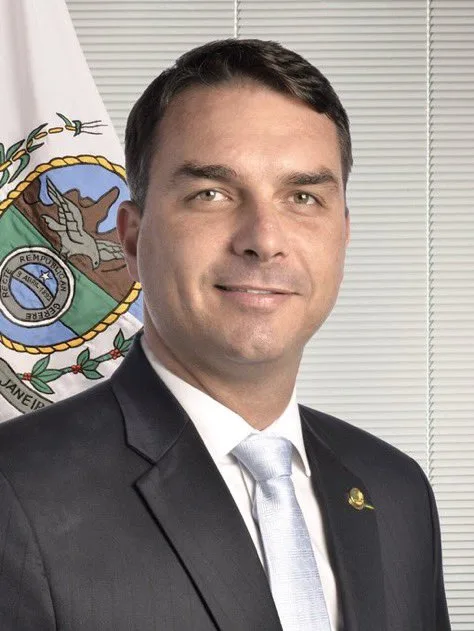
Flavio Bolsonaro, 45, is a senator from the right-wing Liberal Party and the eldest son of Jair Bolsonaro. He has positioned himself as the main challenger to Lula, promising a tougher response to organized crime, tax relief, and tighter control over government spending.
He has also pledged to pursue his father’s release from prison. Jair Bolsonaro is serving a 27-year sentence following his conviction over a plot to remain in power after losing the 2022 election.
Cost of living, crime and policy differences
For voters, the contest is about more than political ideology.
It is also about everyday concerns—food prices, jobs, household finances, and personal safety.
During their final televised debate on Friday, the candidates clashed over the cost of living, welfare, and corruption allegations. Lula defended his administration’s increases in the minimum wage, arguing that his government had helped millions of Brazilians escape hunger.
Bolsonaro countered that food prices had risen under Lula and questioned the potential effect of the government’s tax reforms on consumers.
Public security is another dividing line. Bolsonaro has promised a militarized approach to tackling organized criminal gangs while also pledging to rein in inflation and public spending.
Lula, meanwhile, is seeking support by highlighting social programs and proposals aimed at easing pressure on working households.
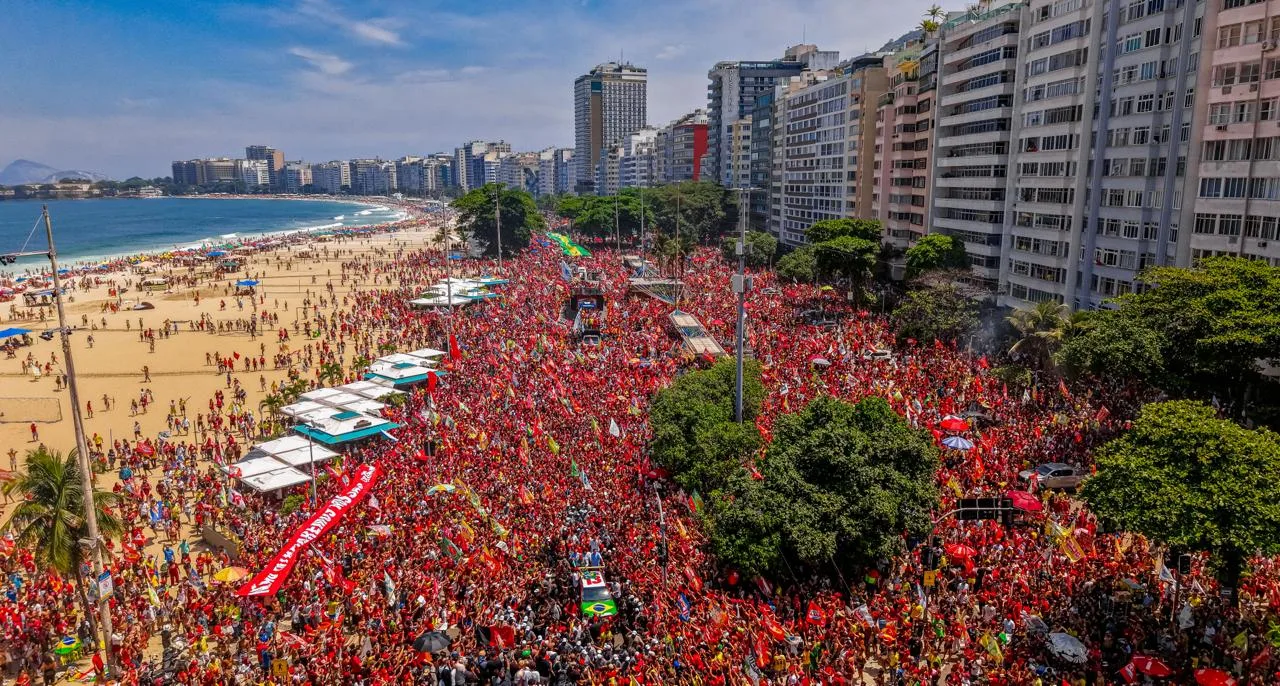
🚨 🇧🇷 ¡IMPACTANTE MAREA HUMANA EN RÍO DE JANEIRO! LULA ENCABEZA UNA MOVILIZACIÓN MULTITUDINARIA EN COPACABANA ¡Río de Janeiro se tiñó de rojo! Una multitud desbordó las calles de Copacabana este sábado 24 de octubre para acompañar al presidente Luiz Inácio Lula da Silva en una de las movilizaciones más impactantes del cierre de su campaña electoral. Miles de simpatizantes, organizaciones sociales y dirigentes políticos coparon la Avenida Atlántica, en una demostración de movilización popular a pocas horas de la segunda vuelta presidencial frente a Flávio Bolsonaro. La multitud se concentró desde temprano y ocupó varias cuadras de la emblemática costa carioca.
— Argentina Noticias (@argennoti) October 24, 2026
The role of abstaining voters
One of the biggest uncertainties is turnout.
Around 33.4 million people did not vote in the first round, equivalent to an abstention rate of 21%—the highest for a Brazilian general election since 1998.
Not all these voters are politically disengaged. Some face practical barriers, including work commitments, family responsibilities, registration issues, or long journeys to polling stations.
Others are disillusioned with both candidates.
Lula has made increasing turnout a priority. His campaign has promoted proposals including free public transport on weekends and debt relief for small-scale entrepreneurs.
Bolsonaro is seeking to consolidate support among conservative voters who backed candidates eliminated in the first round. With polling showing only a narrow gap, even a modest shift in participation could matter.
Flávio Bolsonaro chega à Praça da Liberdade em Belo Horizonte. https://t.co/gJlz3eTvcd
— Caio Joe (@caio__joe) October 24, 2026
Also Read | UK urges households to keep 3 days of food, water and emergency supplies
Digital hustings grow contentious
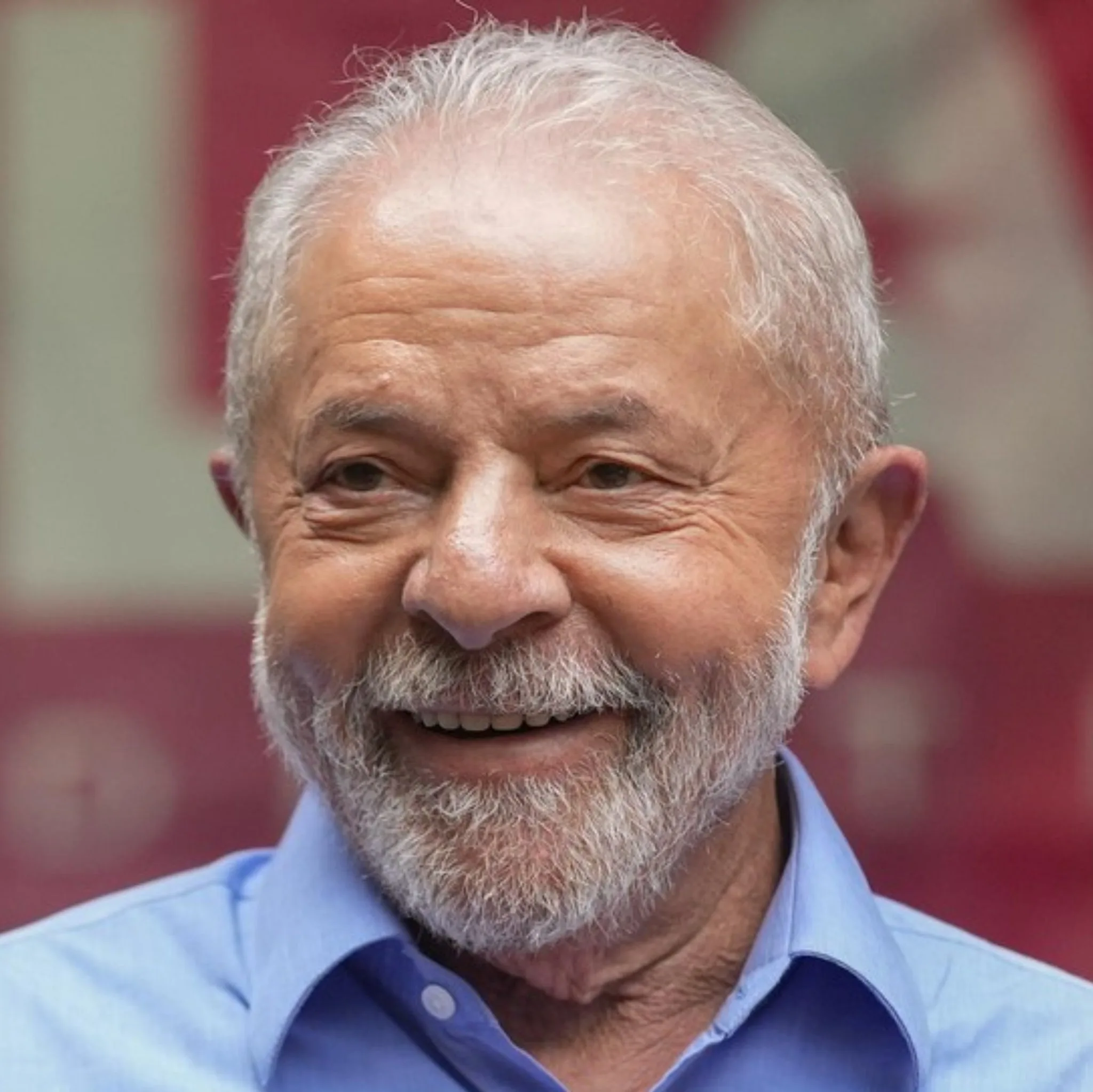
The campaign is also playing out online. Lula recently acquired his first smartphone as he tries to connect with voters who increasingly consume political content through digital platforms.
Bolsonaro has built a direct audience through YouTube, reflecting the growing importance of online campaigning.
The role of social media companies has prompted controversy. United Nations human rights experts have urged Meta, which owns Facebook, Instagram, and WhatsApp, to protect political expression after reports of suspended accounts and reduced visibility for campaign-related content.
Lula’s campaign has accused Meta of restricting its reach, while Bolsonaro’s team has filed its own complaint against Lula over government postings on WhatsApp.
Meta has denied favoring either side and said it has complied with a Brazilian court order requiring equal treatment of the campaigns. The allegations remain disputed.
The decisive question is whether Lula can turn his record on welfare and social protection into enough votes for another term, or whether Bolsonaro can convert the right’s first-round momentum into a presidential victory.
With the polls close and turnout uncertain, Brazil’s October 25 runoff remains wide open.