Tag: Aviation

  • Smoking is banned on planes, but why does the bathroom have an ashtray?

    Smoking is banned on planes, but why does the bathroom have an ashtray?

    If you have ever used an airplane bathroom, you may have noticed a small detail that seems completely out of place: an ashtray. This can be puzzling, especially when passengers are repeatedly told, “smoking is strictly prohibited on the aircraft.” So why do airlines still keep ashtrays inside lavatories when smoking is banned on flights?

    The answer has less to do with allowing passengers to smoke and more to do with preventing a potentially dangerous aircraft fire. The seemingly odd fixture is tied to aviation safety rules and a tragic incident that changed how airlines deal with the risk of in-flight fires.

    Why are ashtrays still fitted inside airplane bathrooms?

    The presence of an ashtray does not mean passengers are permitted to smoke in the aircraft bathroom. Smoking remains prohibited.

    However, aviation safety regulations take into account the possibility that a passenger could ignore the rules and secretly light a cigarette inside the lavatory.
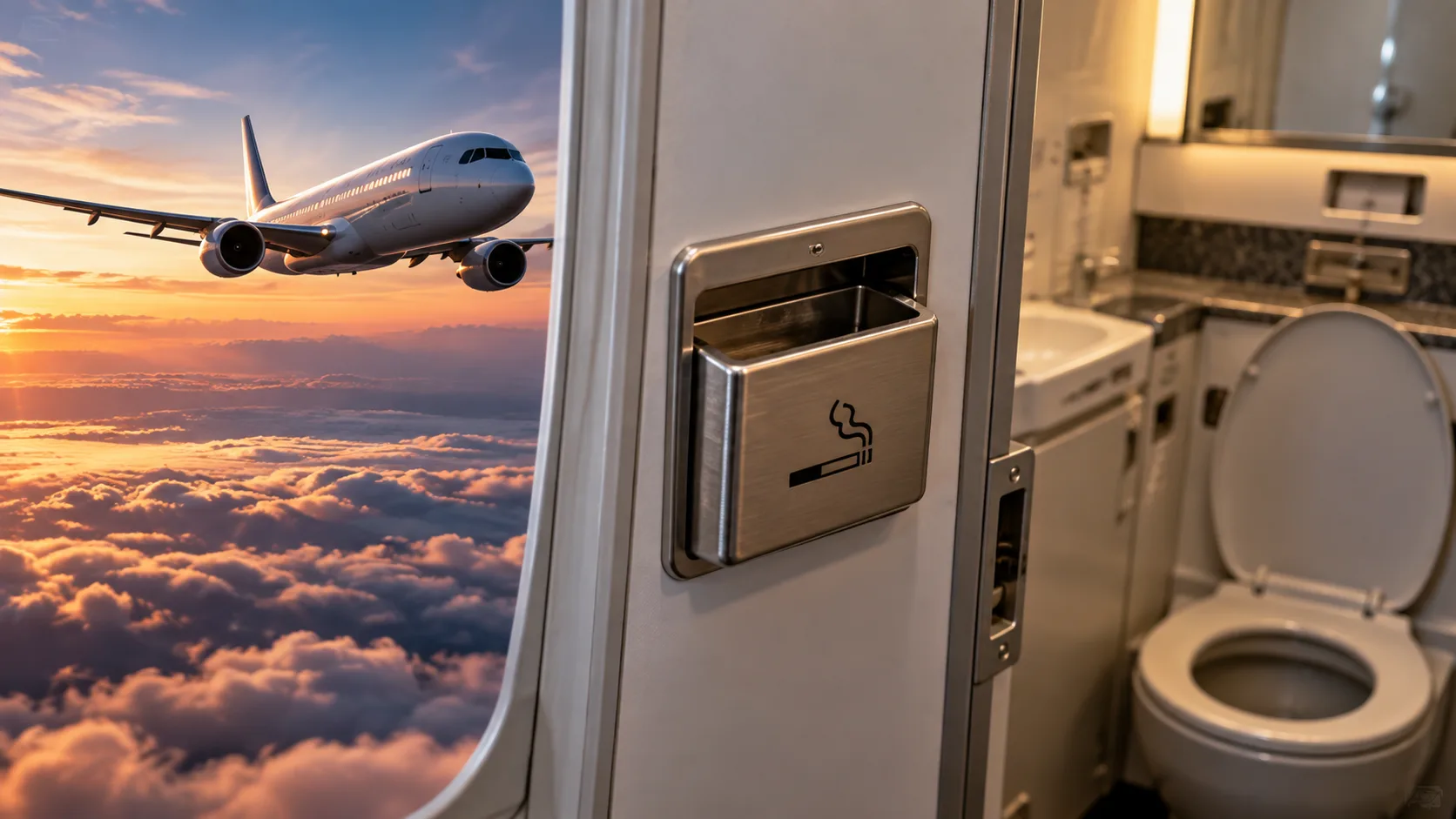
    Smoking is banned on planes
    (Representational Image) Smoking is banned on flights, but this tiny ashtray serves an important purpose | AI Generated

    This creates another potential danger. If a passenger is worried about triggering the smoke detector and throws a still-burning cigarette into the bathroom bin, the consequences could be serious.

    Aircraft lavatory bins can contain tissues, paper and other flammable material. A lit cigarette thrown into such a bin could potentially start a fire.

    Also Read | Do you know why airlines really ask you to put your phone on airplane mode?

    An ashtray provides a designated place to extinguish and dispose of a cigarette if someone illegally smokes inside the bathroom, reducing the risk of a discarded burning cigarette setting fire to the waste bin.

    What does the US aviation rule say?

    The US Federal Aviation Administration (FAA) requires passenger aircraft to have an ashtray in the lavatory.

    The requirement is a safety measure rather than permission to smoke onboard. The underlying idea is straightforward: if someone ignores the smoking ban, a cigarette should not end up burning inside a waste bin.
    plane (1) (1)
    (Representational Image) Aircraft ashtrays are designed to prevent burning cigarette butts from causing fires | AI Generated

    Airlines operating passenger aircraft, including carriers such as IndiGo in India, follow the relevant aviation safety requirements.

    Smoking on a plane is still strictly prohibited

    Seeing an ashtray inside an aircraft bathroom can sometimes create the wrong impression.

    The fixture is not an invitation to smoke. Passengers are still prohibited from smoking inside the aircraft, including the lavatory.

    The ashtray exists as a safety precaution to deal with the consequences of someone breaking that rule.

    The tragic incident that changed aviation safety

    The reason aviation authorities take the risk of lavatory fires so seriously can be traced back to a devastating incident in 1973.

    A Varig Boeing 707 was flying from Rio de Janeiro to Paris when a fire broke out in the aircraft’s lavatory.

    Also Read | Digi Yatra international trial may begin at Delhi, Mumbai, Bengaluru, Hyderabad and Cochin airports

    Smoke spread through the aircraft, and the crew eventually made an emergency landing near Paris. The aircraft crashed during the emergency landing, killing 120 people.
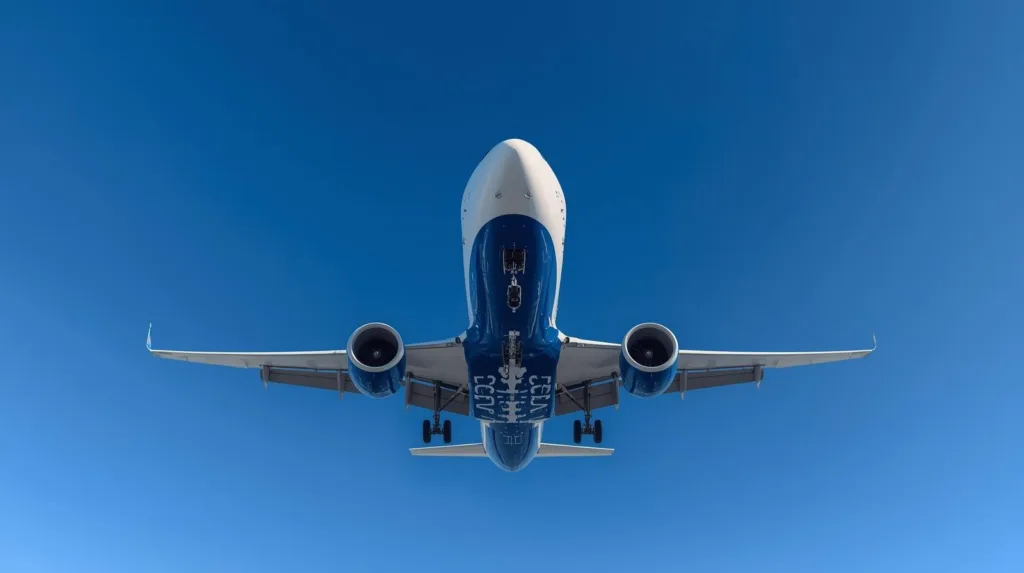
    Smoking is banned on planes, but why does the bathroom have an ashtray
    (Representational Image) The ashtray inside an airplane bathroom is a safety feature, not a smoking permit | AI Generated

    An investigation later determined that an improperly extinguished cigarette had caused the fire.

    Why the ashtray matters even when smoking is banned

    The tragic incident highlighted the danger posed by cigarettes and aircraft waste bins.

    That history helps explain why an ashtray can still be found inside modern airplane lavatories. It is not there because smoking is allowed. It is there as a last line of protection against the much more dangerous possibility of a burning cigarette being thrown into a bin filled with combustible waste.

    So, the next time you notice a small ashtray inside an airplane bathroom, there is no need to wonder whether smoking is secretly permitted there.

    It is a safety feature designed around the possibility that someone might ignore the rules.
  • Do you know why airlines really ask you to put your phone on airplane mode?

    Do you know why airlines really ask you to put your phone on airplane mode?

    Switching your phone to Airplane Mode during a flight may feel like a routine instruction, but there are practical reasons behind the rule. It is not because an active smartphone is expected to suddenly cause an aircraft engine to fail. Instead, the restriction is linked to radio transmissions, communication systems and the way cellular networks operate when phones are airborne.

    How does cellular interference affect flights?

    A smartphone constantly searches for available cellular networks when its mobile connection is switched on. At cruising altitude, the phone may attempt to connect to ground-based towers as the aircraft moves rapidly across different areas. Multiple devices doing this at the same time can create unwanted radio-frequency activity.

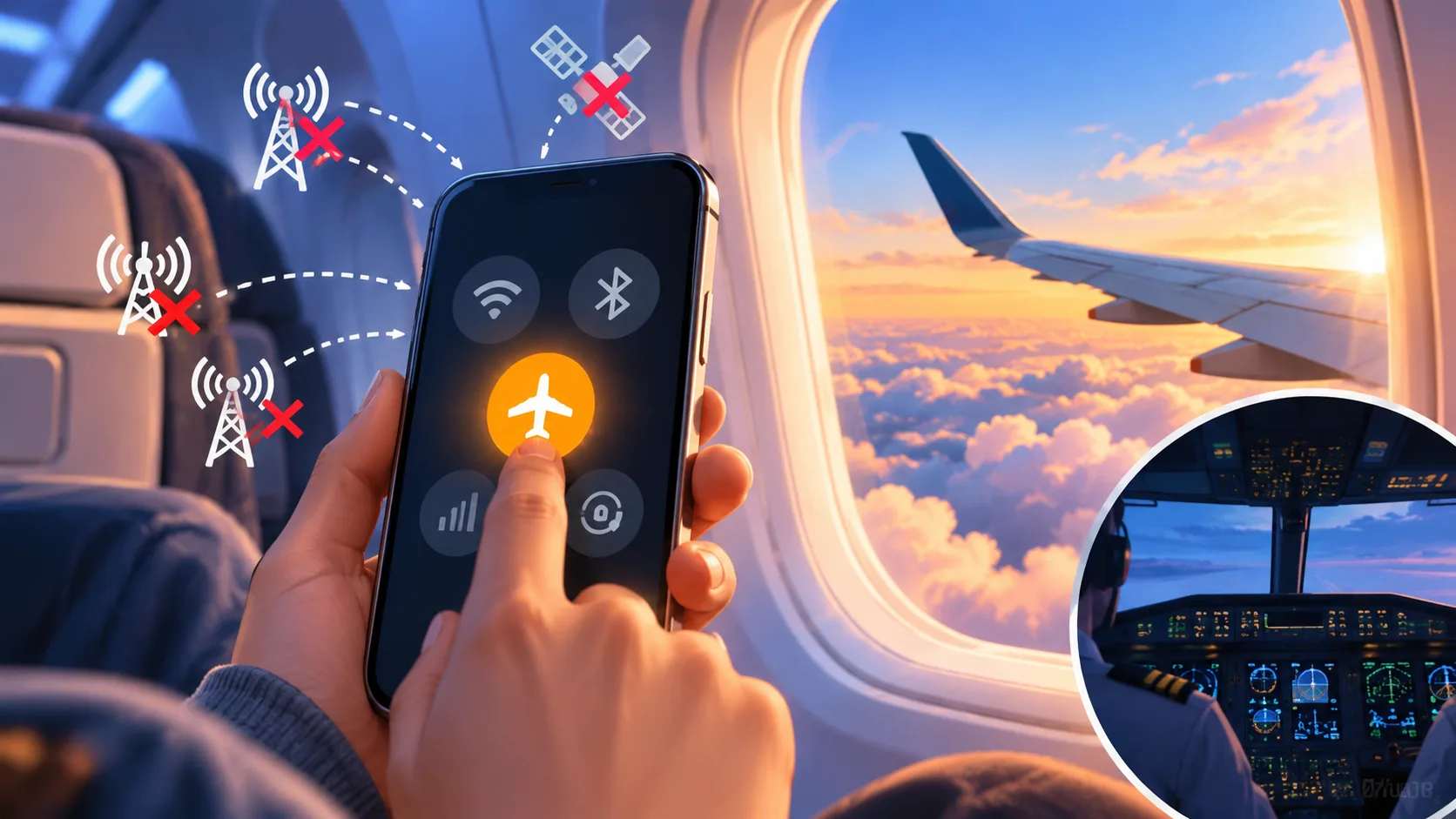
    airlines really ask you to put your phone on airplane mode
    Your phone’s signal matters even at 35,000 feet | AI Generated

    Aviation systems are designed with safeguards, but airlines still require passengers to minimise unnecessary transmissions during a flight.

    Also Read | Water-based places in India: 4 stunning destinations to see

    Can mobile phones cause buzzing in pilot headsets?

    Cellular devices can produce electromagnetic interference with nearby audio equipment. This could even lead to buzzing or static noises being produced by speakers and headphones. Putting cell phones on airplane mode is just one way of preventing any potential sources of interference within the plane.

    plane (1) (1)
    Flight safety goes beyond switching off your phone | AI Generated

    Communications between pilots and air traffic control towers are extremely important especially during takeoff and landing.

    What about navigation and cockpit equipment?

    Modern aircraft contain highly protected communication and navigation systems. Airplane Mode reduces the amount of radio activity coming from passengers’ devices, helping maintain a controlled electronic environment inside the aircraft.

    This is one reason airlines continue to include the setting in their standard passenger safety instructions.

    Also Read | What makes Mount Kailash so sacred? A detailed guide for the Himalayan pilgrimage

    Why does 5G raise separate concerns?

    5G has also brought additional attention to aviation because some 5G C-band frequencies are close to frequencies used by aircraft radar altimeters. These are key sources of altitude data especially when approaching the airport and landing.

    plane (2) (1)
    The real reason airlines insist on airplane mode | AI Generated

    Some interventions have been put in place by the aviation industry and the regulatory authorities to help mitigate the effects of interference between 5G technology and aircrafts’ system.

    Why Airplane Mode is needed even now

    Therefore, when cabin crew asks passengers to put their phones in Airplane Mode, it means that the need is to prevent interference with electronics and avoid unnecessary wireless communication on board an aircraft.