Tag: Arvind Kejriwal

  • Delhi High Court gives Kejriwal and 3 other AAP leaders 3 weeks to respond in contempt case

    Delhi High Court gives Kejriwal and 3 other AAP leaders 3 weeks to respond in contempt case

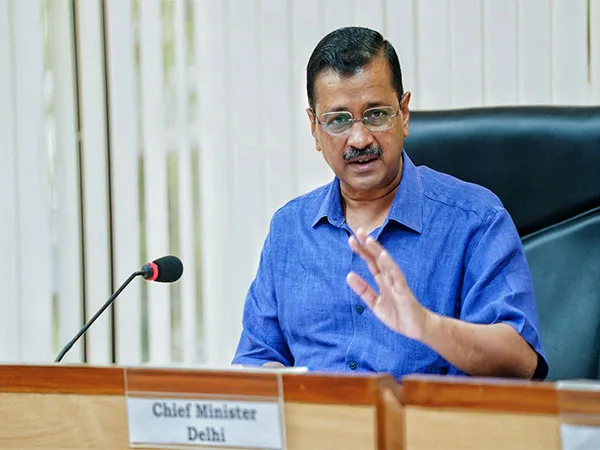
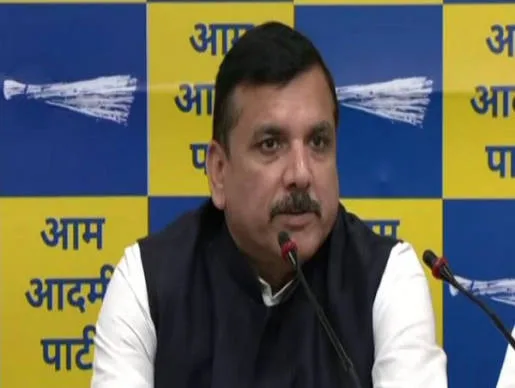
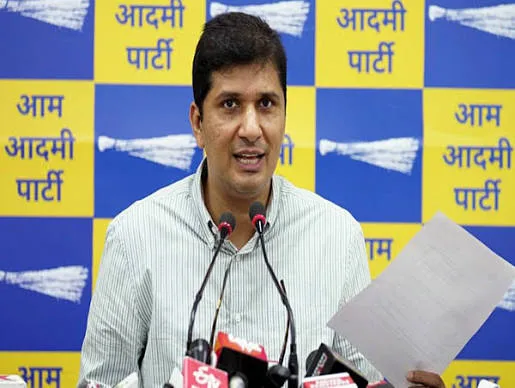
    The Delhi High Court has pulled up Arvind Kejriwal, Manish Sisodia, Sanjay Singh, Saurabh Bharadwaj and other Aam Aadmi Party (AAP) leaders for failing to file their responses in a criminal contempt case initiated over their remarks about Justice Swarana Kanta Sharma.

    A Division Bench comprising Justices Navin Chawla and Arun Bhardwaj gave the leaders a final opportunity of three weeks to submit their replies. The court warned that it would not grant further extensions and could close their right to respond if they failed to comply with the deadline.

    The Delhi High Court contempt case stems from social media posts and communications questioning the impartiality of Justice Sharma, who was hearing the Central Bureau of Investigation’s (CBI) challenge to a trial court decision discharging Kejriwal, Sisodia and others in the Delhi excise policy case.
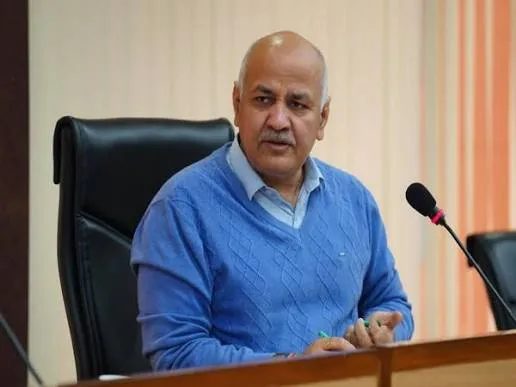
    The Delhi High Court has pulled up Arvind Kejriwal, Manish Sisodia, Sanjay Singh, Saurabh Bharadwaj and other Aam Aadmi Party (AAP) leaders for failing to file their responses in a criminal contempt case initiated over their remarks about Justice Swarana Kanta Sharma. (ANI)
    The Delhi High Court has pulled up Arvind Kejriwal, Manish Sisodia, Sanjay Singh, Saurabh Bharadwaj and other Aam Aadmi Party (AAP) leaders for failing to file their responses in a criminal contempt case initiated over their remarks about Justice Swarana Kanta Sharma. (ANI)

    Court warns AAP leaders against further delay

    During Tuesday’s hearing, the Bench expressed displeasure over the continued delay in filing replies. The judges referred to a report from the High Court registry indicating that the relevant papers had been supplied to the alleged contemnors.

    “I’m sorry, we have a report that full compliance has been done. Now we will not give you further time. This is not done. You are taking us for a ride,” the Bench remarked.

    The judges said the leaders had already received the necessary documents and should proceed with filing their responses. They also indicated that any objections concerning the documents could be raised in the replies rather than used as a reason for further delay.

    Counsel appearing for the AAP leaders, however, argued that some documents had not been supplied. Advocate Vivek Jain told the court that six items had been identified earlier, but only three had been provided. He said he had prepared a list of the outstanding documents and intended to place the details before the Bench.

    The court asked the alleged contemnors to incorporate their objections in their written responses. It granted them three weeks as a final opportunity and scheduled the next hearing in January 2027.

    Also Read | Delhi air pollution: 3 key demands raised as AISA chief Neha leads protest with cancer patients
    Counsel appearing for the AAP leaders, however, argued that some documents had not been supplied.  (ANI)
    Counsel appearing for the AAP leaders, however, argued that some documents had not been supplied. (ANI)

    Why the Delhi High Court contempt case was initiated

    The suo motu criminal contempt proceedings against Kejriwal, Sisodia, Sanjay Singh and Durgesh Pathak were initiated by the High Court on May 14. The action followed Justice Swarana Kanta Sharma taking note of social media posts and letters published online concerning the AAP leaders’ decision not to participate in proceedings before her.

    At the time, Justice Sharma was hearing the CBI’s challenge to a trial court order that had discharged Kejriwal, Sisodia and other accused persons in the excise policy case.

    The AAP leaders had refused to participate in the High Court proceedings, citing alleged bias and a conflict of interest on the judge’s part. Justice Sharma subsequently initiated contempt proceedings, which are now being heard by the separate Division Bench headed by Justice Navin Chawla.

    The Delhi High Court contempt case is therefore distinct from the underlying excise policy proceedings. The contempt matter concerns the alleged conduct of the leaders and their public remarks about the judge’s impartiality.

    Also Read | Delhi Chhath safety scare: 8 hazardous chlorine cylinders found in unauthorised storage, man held
    The suo motu criminal contempt proceedings against Kejriwal, Sisodia, Sanjay Singh and Durgesh Pathak were initiated by the High Court on May 14. (ANI)
    The suo motu criminal contempt proceedings against Kejriwal, Sisodia, Sanjay Singh and Durgesh Pathak were initiated by the High Court on May 14. (ANI)

    Separate contempt petition also targets AAP leaders

    Apart from the suo motu proceedings, advocate Ashok Chaitanya has filed a separate criminal contempt petition against Kejriwal, Saurav Das and several other AAP leaders. The petition concerns an alleged online campaign questioning Justice Sharma’s impartiality.

    One of its central issues is an X post published by journalist Saurav Das on April 9. Das had raised questions about an alleged conflict of interest, claiming that Justice Sharma’s son and daughter were empanelled by the Central government before the High Court and the Supreme Court.

    Kejriwal subsequently responded to the post by asking, “Is this true? V is explosive.” Saurabh Bharadwaj and Gopal Rai also referred to the post while raising questions about the judge’s impartiality.

    Chaitanya has alleged that Kejriwal, Das, Bharadwaj and Rai engaged in a coordinated campaign on social media by publishing and amplifying serious and allegedly unfounded allegations against Justice Sharma.

    The separate petition and the suo motu proceedings are distinct legal matters. The allegations raised in them remain subject to judicial consideration and have not been established as findings of guilt.

    The High Court’s latest order gives the AAP leaders three weeks to respond in the Delhi High Court contempt case. The matter is expected to come up again in January 2027.
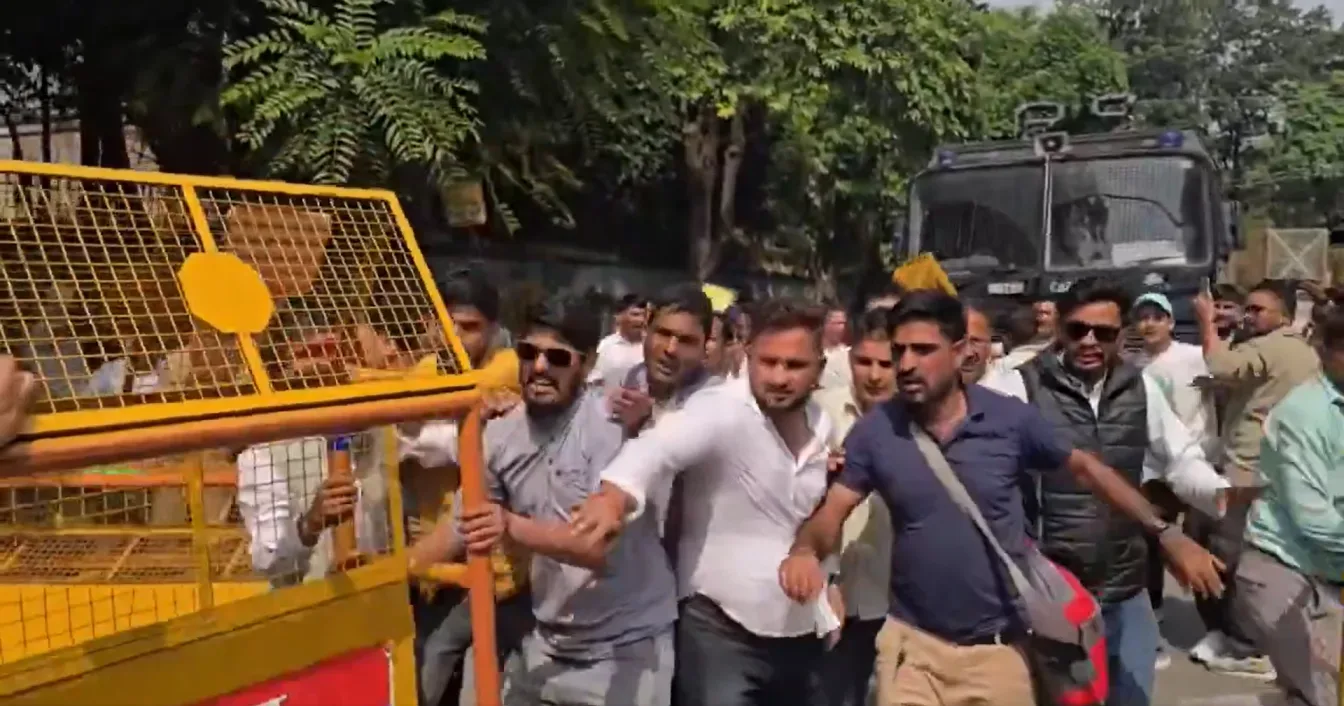
  • Dhruv Rathee, Pinarayi Vijayan, Arvind Kejriwal: Who were detained ahead of CJP protest?

    Dhruv Rathee, Pinarayi Vijayan, Arvind Kejriwal: Who were detained ahead of CJP protest?

    Delhi witnessed a major political confrontation on Saturday, October 10, after police detained protest organisers, Opposition leaders, activists and journalists ahead of a planned demonstration at Jantar Mantar.

    The protest was called by the Cockroach Janta Party (CJP), which demanded the resignation of Chief Election Commissioner Gyanesh Kumar over alleged irregularities in the revision of electoral rolls.

    The crackdown affected several parts of the capital and extended to other cities. It also brought the debate over voter registration, the Election Commission’s accountability and the right to peaceful protest into particular focus.

    Also Read | Delhi High Court backs visa denial to US sex offender

    From viral quip to political force

    Despite its name, the CJP is primarily a youth-led political pressure movement rather than a conventional political party. It emerged in May after a social media post by its founder, Abhijeet Dipke, went viral.

    His post, “What if all cockroaches come together?”, responded to remarks by Supreme Court judge Surya Kant that compared unemployed youth to cockroaches.

    The satirical identity soon became a rallying point for young people frustrated with unemployment, examination paper leaks and demands for greater government accountability.

    The movement gained national attention during protests that culminated in the resignation of then Union education minister Dharmendra Pradhan in July. Its latest campaign has turned its attention to the Election Commission.

    The SIR controversy and voter-roll allegations

    The central issue is the Special Intensive Revision (SIR) of electoral rolls. This is an exercise to verify and update voter lists.

    The CJP and its supporters have alleged irregularities in this process and in the handling of Form 6, which eligible citizens use to apply for inclusion in the electoral roll.

    They argue that problems with voter registration and the revision process raise questions about whether eligible citizens can exercise their right to vote.

    The controversy has also grown over claims that large numbers of names could be excluded from voter lists.

    About 13.39 cr voters allegedly dropped from a draft roll. The Election Commission, however, said the figure referred to entries flagged during the draft revision and that voters wrongly removed could enrol again.

    These competing positions are central to the dispute. The allegations of manipulation remain contested, while the CJP is demanding Kumar’s resignation.

    No permission, plenty of barricades

    Delhi Police denied permission for the demonstration, citing security concerns and the timing of the application. The request was submitted on October 7, despite a prescribed 10-day notice period.

    Police subsequently set up barricades and checkpoints and imposed prohibitory orders in parts of the capital.

    The scale of the operation was significant. Around 1,200 people had been detained overnight, followed by approximately 500 more during the morning.

    By around 3 pm, the reported figure had crossed 2,000. The detentions took place at multiple locations, including routes leading to the protest site and locations outside Delhi.

    Who was detained

    CJP founder Abhijeet Dipke and co-organisers Saurav Das and Ashutosh Ranka were detained after their aircraft landed in Delhi.

    YouTuber Dhruv Rathee was also detained in Gurugram. Former Kerala chief minister Pinarayi Vijayan, Trinamool Congress chief Mamata Banerjee, Aam Aadmi Party leader Arvind Kejriwal, activist Yogendra Yadav and lawyer Prashant Bhushan were among those reported detained.

    Journalists covering the protest were also picked up.

    Opposition leaders condemned the police action and accused the authorities of restricting democratic rights.

    Mamata Banerjee called the situation a “super emergency” after she and fellow TMC leaders were detained following a sit-in near South Avenue.

    The BJP offered a sharply different political assessment. Its president, Nitin Nabin, accused the Opposition and the CJP of attempting to destabilise the country at the behest of “foreign powers and alliances”.

    Also Read | Dhruv Rathee detained in Gurugram ahead of CJP protest

    One protest, several uncomfortable questions

    The episode has widened the confrontation beyond the original demand for Kumar’s resignation. It now involves questions about electoral transparency, the authorities’ handling of demonstrations and the limits placed on peaceful dissent.

    The Election Commission has defended its voter-verification exercise, while the CJP and Opposition leaders continue to demand accountability.

    The underlying allegations about electoral-roll irregularities remain disputed, leaving the credibility of the revision process at the centre of the political row.