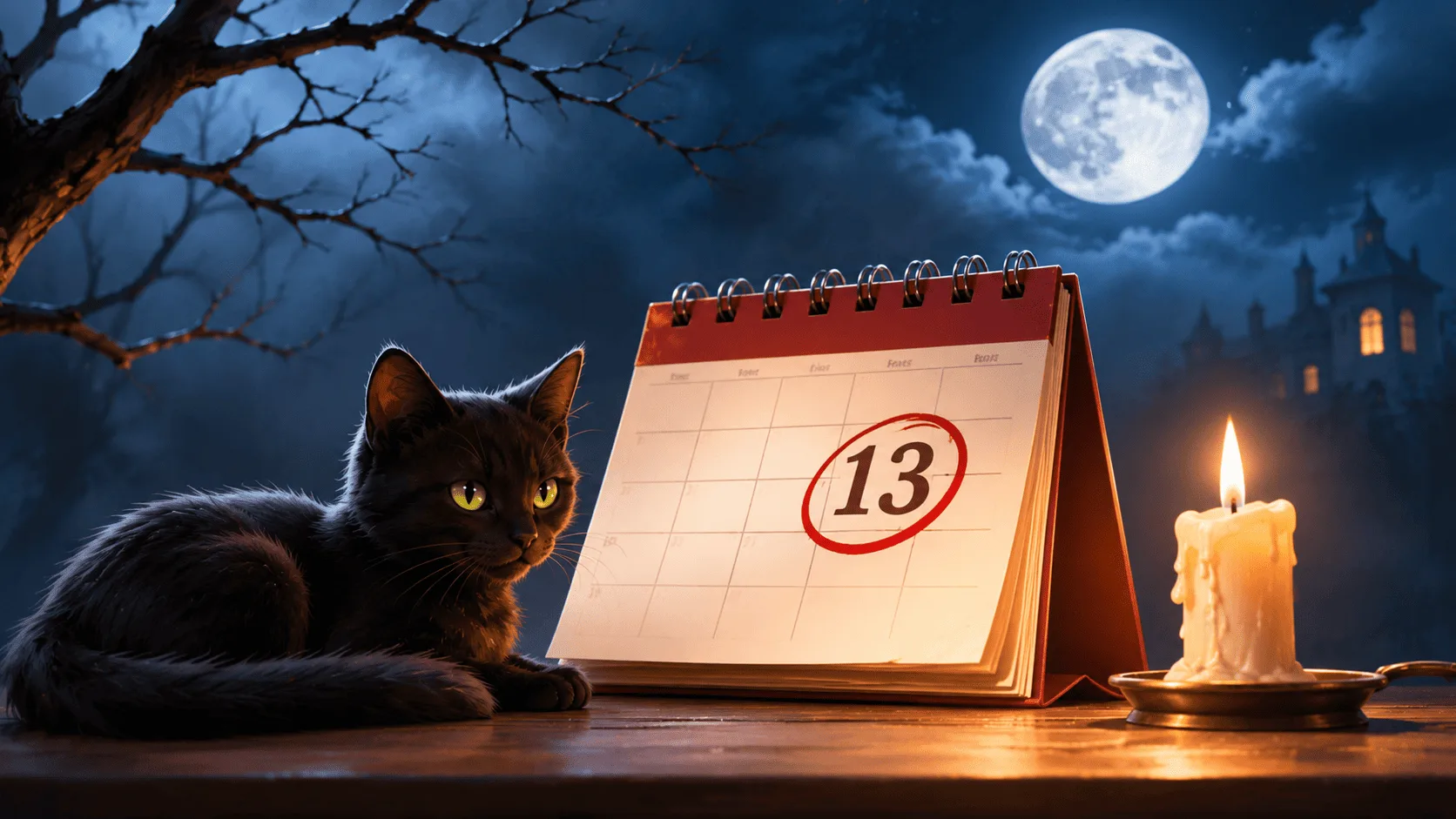
Friday the 13th has a long-standing reputation for bringing bad luck, unexpected trouble and mysterious happenings. The date has returned this week, with November 13, 2026, falling on a Friday. While some people treat it like any other day, others remain cautious about travelling, making major decisions or beginning something new.
The fear surrounding Friday the 13th comes from a mix of religious stories, ancient mythology and historical events. The number 13 itself is considered unlucky in several Western traditions, while Friday has also been associated with misfortune in folklore. Although science has found no evidence that the date brings bad luck, these five popular myths continue to shape the superstition.
Why 13 guests at a dinner table are considered unlucky
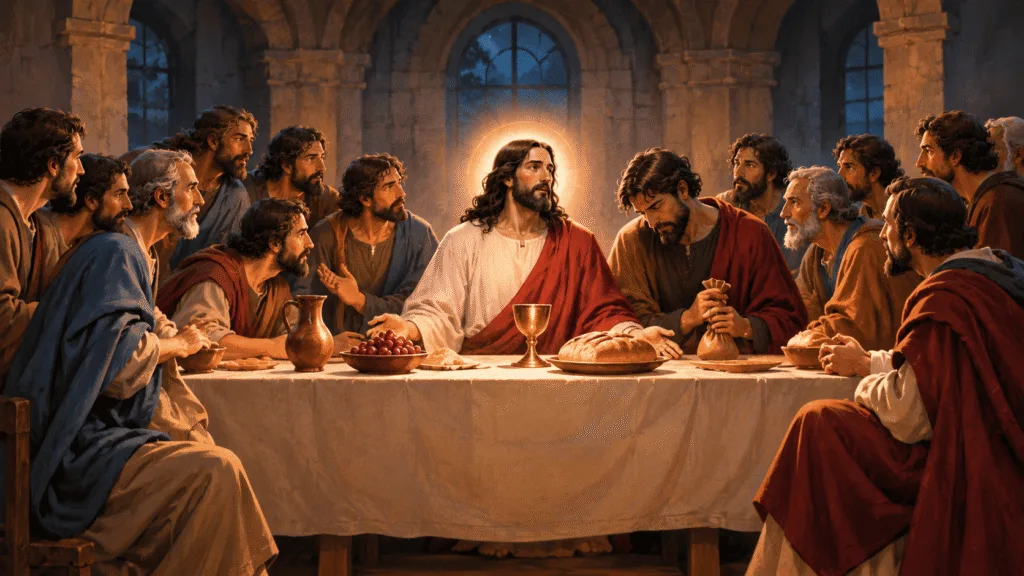
One explanation is linked to the Last Supper in Christian tradition. Jesus Christ shared his final meal with 12 apostles, bringing the total number of people at the table to 13. Judas Iscariot, who later betrayed Jesus, is traditionally identified as the 13th guest. This association gradually fuelled the belief that having 13 people at a dinner table could invite misfortune.
Also Read | From goddess Kali to Van Devi: 5 Indian films inspired by divine female power
The Norse Myth of Loki as the 13th guest
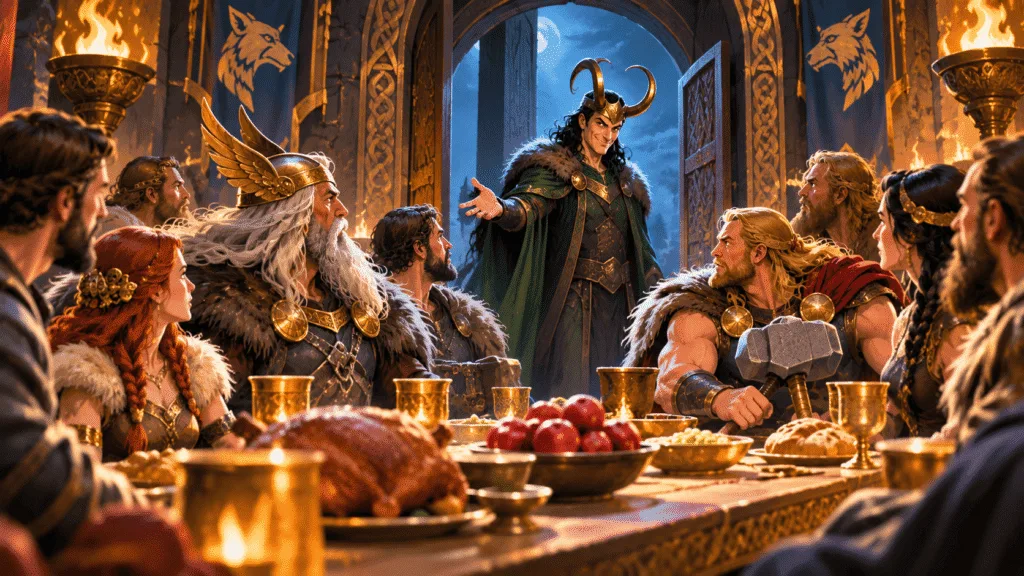
Norse mythology offers another explanation for the number’s negative reputation. According to a popular legend, 12 gods were attending a feast in Valhalla when Loki arrived as an uninvited 13th guest. His presence triggered a chain of events that led to the death of Balder, a beloved god. The tale is often linked to the superstition surrounding the number 13, although its role as the origin of the belief remains unproven.
The Knights Templar arrests on Friday, October 13
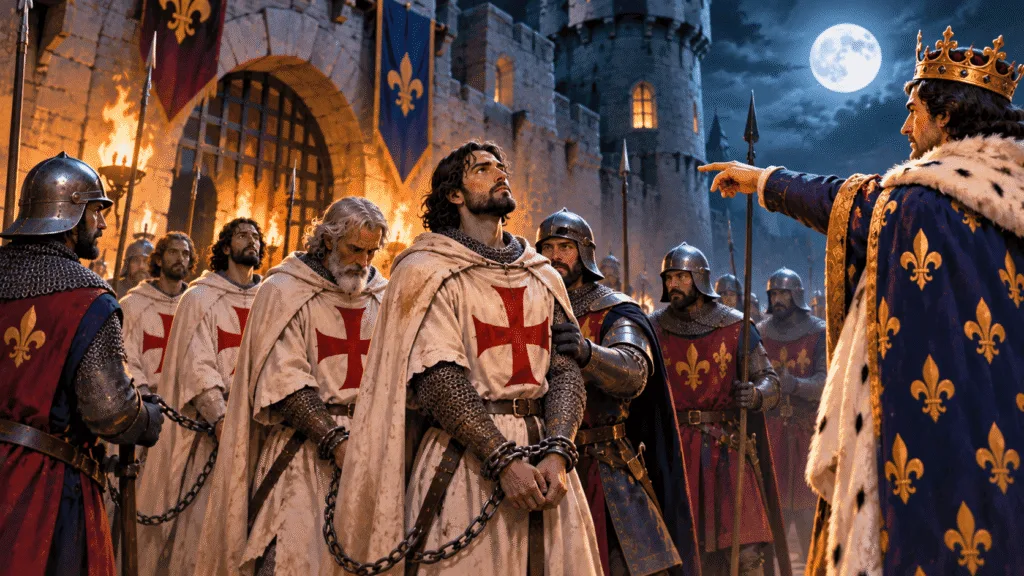
A historical theory connects the date to an event in France on October 13, 1307. King Philip IV ordered the arrest of hundreds of Knights Templar members on that Friday. Several were imprisoned, tortured and eventually executed. The incident is frequently mentioned in discussions about Friday the 13th, though historians have not established that it directly gave rise to the superstition.
Avoiding weddings, travel and new beginnings
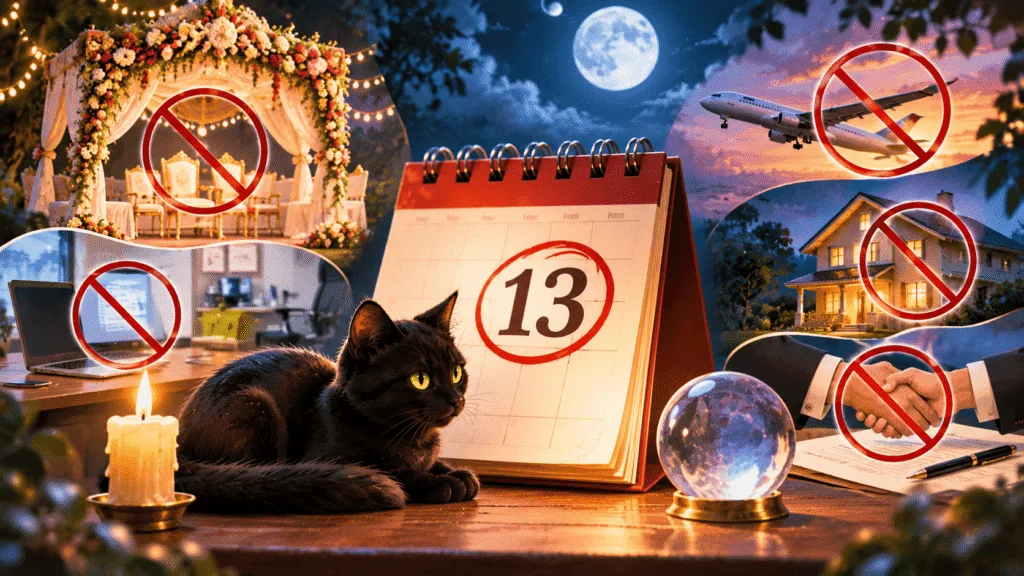
Some people consider Friday the 13th an unsuitable day for important life events. Getting married, travelling, signing contracts, purchasing property or starting a new job are among the activities that certain believers prefer to postpone. These practices stem from the traditional association of Fridays and the number 13 with bad luck. However, there is no scientific evidence that undertaking these activities on this date increases the risk of misfortune.
Also Read | 10 types of Bengali ghosts you may have heard about from your grandparents
Why some buildings skip the 13th floor

The fear of 13 has also influenced the way some buildings are numbered. Several hotels, residential complexes and office towers skip the 13th-floor label, moving directly from the 12th to the 14th floor. Some also avoid assigning room number 13. This practice is associated with triskaidekaphobia, the fear of the number 13.
Interestingly, Friday the 13th is not considered unlucky everywhere. In Italy, Friday the 17th carries a similar reputation, while Tuesday the 13th is traditionally associated with bad luck in several Spanish-speaking countries.